Alessandro Grandi: Celesti Fiori

Alessandro Grandi: Celesti Fiori – Motetti
Accademia d’Arcadia, UtFaSol Ensemble, Alessandra Rossi Lürig
Outhere: Arcana A 464. 62’39

Alessandro Grandi (1590-1630) was Monteverdi’s deputy in Saint Mark’s Basilica in Venice and was prominent in the development of Venetian style of the early seventeenth century. He was considered by his contemporaries to be supremely talented, an equal to Monteverdi, but he hasn’t survived the transfer to posterity very well and is little known today. This CD of motets published between 1610 and 1630 is the first complete recording dedicated to Grandi. The title Celesti fiori (Celestial Flowers), comes from his Libro Quinto de suoi Concerti, published in Venice in 1619. Continue reading

Les Caractères d’Ulusse

Les Caractères d’Ulusse
Rebel & Boismortier: Suites pour deux clavecins

Clément Geoffroy, Loris Barrucand, harpsichords
Château de Versailles Spectacles CVS021. 74’03

Rebel, J-F: Suite d’Ulysse; Les Caractères de la Danse; Les Élémens;
Les Plaisirs Champêtres 
Boismortier: Premier ballet de Village; Suite de Daphnis et Chloé

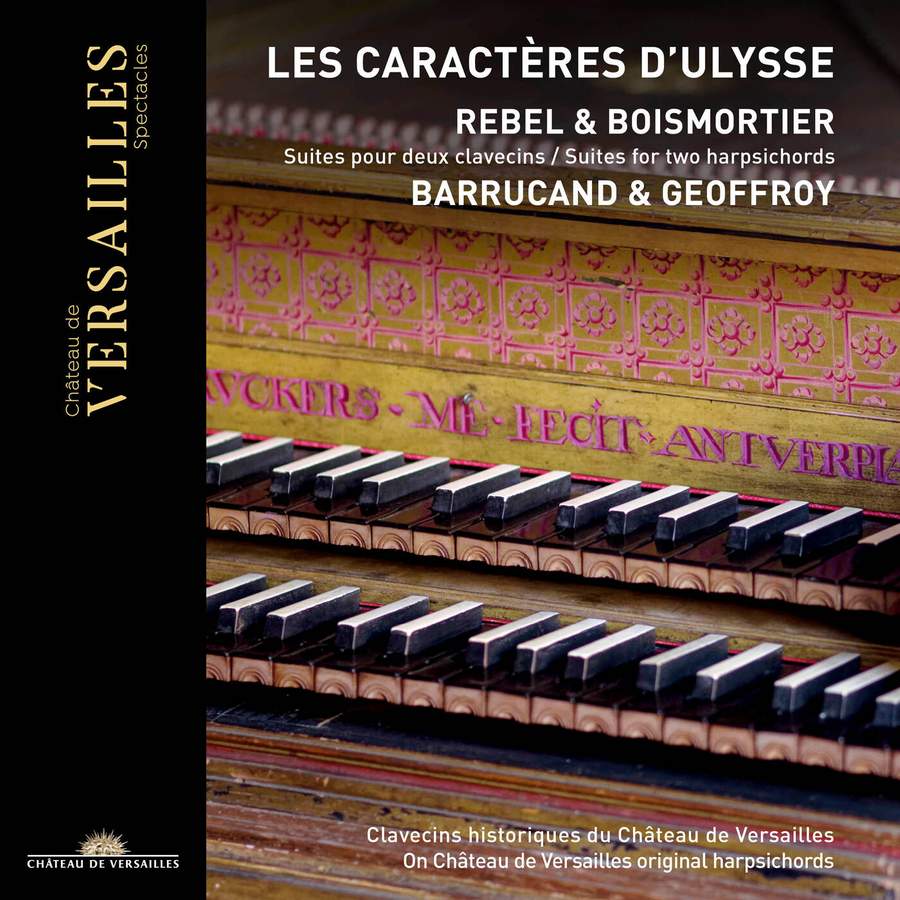
Using two of the historic instruments from the collection at the Château de Versailles, one by Ruckers the other by Blanchet , harpsichordists Loris Barrucand and Clément Geoffroy present arrangements of music by Jean-Féry Rebel, (1661-1747) and Joseph Bodin de Boismortier (1691-1755). The impetus for this venture came from a commission in 2016, the 350th anniversary of Rebel’s birth, for a piece for two harpsichords and dancers combined with Rebel’s own comment that he wanted his 1715 orchestral piece Les Caractères de la Danse (an uninterrupted succession of fourteen dances completed in around eight minutes) to be played “like a piece on the harpsichord”. Continue reading

Stefano Bernardi: Lux Aeterna; Ein Salzburger Requiem

Stefano Bernardi
Lux Aeterna; Ein Salzburger Requiem
Voces Suaves; Concerto Scirocco
Outhere: Arcana ACAA470. 68’15

Stefano Bernardi (1577-1637) was born in Verona. He was an active member of the Accademia Filarmonica and became their Maestro della musica in 1606. He was appointed as Maestro di cappella at Verona Cathedral in 1611. In 1622 he became Court Kapellmeister to the Bishop of Breslau and Brixen, Archduke Carl Joseph. Following the Archduke’s death in 1624, Bernardi took up a similar post in Salzburg with the Prince-Bishop Paris von Lodron. Continue reading

Diego Ortiz: Trattado de Glosas

Diego Ortiz: Trattado de Glosas
Les Basses Réunies
Bruno Cocset, Guido Balestracci
Outhere: Alpha 563. 59’31

We know little about the life of Diego Ortiz (c1510-c1576). He is believed to have been born in Toledo, and worked in Naples for Ferdinand Álvarez de Toledo, Duke of Alba when he was the Spanish Viceroy there. He eventually became Maestro di Cappella of the Neapolitan Chapel Royal. He seems to have spent his final years in Rome. He published his influential Trattado de glossas sobre clausulas y otros generos de puntos en la musica de violones nuevamente puestos en luz in 1553, while in Naples. Continue reading

JS Bach: Six Suites for Viola Solo

J S Bach: Six Suites for Viola Solo
Kim Kashkashian
ECM New Series ECM 2553/54. 2CDs 65’05+77’26

Six Suites for Viola Solo

Yes, you read the title correctly – these are Bach’s six ‘Cello’ Suites, but are here played on a viola by the distinguished American violist Kim Kashkashian. With no original manuscript in Bach’s own hand, there have been many questions about these Suites, one being what type of instrument they were actually written for. Continue reading

Teatro Spirituale: Penitential music in the Chiesa Nuova, Rome c1610

Teatro Spirituale
Penitential music in the Chiesa Nuova, Rome c1610
Alice Foccroulle, Reinoud van Mechelen
InAlto, Lambert Colson
Ricercar RIC399. 72’15

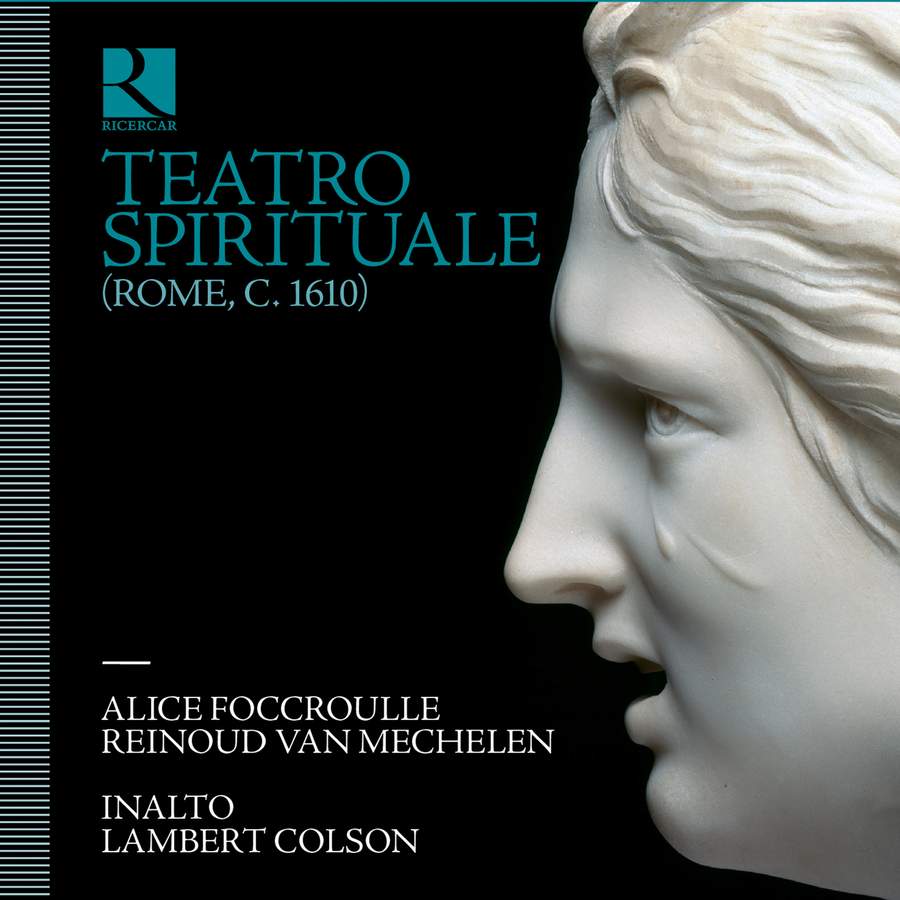
This is one of the finest recordings I have heard in a while. Beautifully planned and performed, with singing and instrumental playing of the highest quality combined with exemplary recording quality. It reveals an intriguing insight into the musical activities of the Chiesa Nuova Oratory Church of St Philip Neri in Rome, the location of the premiere of the first known spiritual opera, Cavalieri’s La Rappresentatione di Anima e di Corpo. Continue reading

Bach: Orgelbüchlein

Bach: Orgelbüchlein
Stephen Farr
1724-30 Trost organ, of Waltershausen, Germany.
Resonus RES10259. 79’02

Bach’s Orgelbüchlein (Little Organ Book) is one of the most extraordinary of all Bach’s organ collections and compositions. At first sight, it a simple collection of chorale preludes intended to introduce the sung chorales in the Lutheran services. Bach also intended it as a way “in which a beginning organist receives instruction on performing a chorale in a multitude of ways while achieving mastery in the study of the pedal”. But the sequence of 45 chorales, and the tantalising sight of 119 potential chorales for which only the title and an empty page exists, are a sum of a great deal more than a sum of the parts, leading to Albert Schweitzer’s description of it as “one of the greatest events in all music.”.    Continue reading

Requiem: Music for Royal Spanish Funerals

Requiem
Musiques pour les funérailles royales Espagnoles
La Maîtrise de Toulouse, Les Sacqueboutiers, Mark Opstad
Regent REGCD551. 61’34

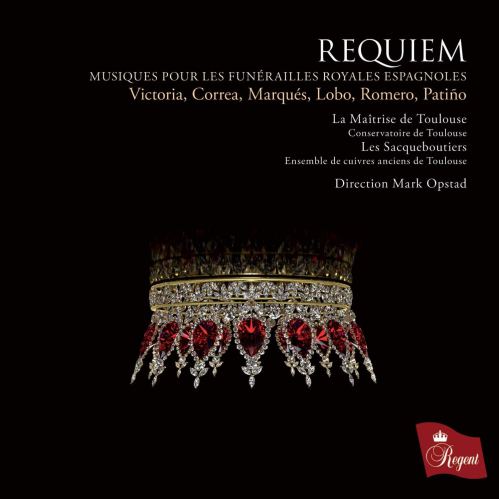
In a search for a collaborative musical partnership, the Toulouse-based children’s choir La Maîtrise de Toulouse and early brass ensemble Les Sacqueboutiers settled on Victoria’s Requiem as a way of combining the Spanish Renaissance traditions of the niños cantorcicos children’s choirs and the ministries, or Cathedral wind players. It is the focus of this recording of music for a Royal Spanish funeral. combined with other related pieces, some recorded for the first time. Continue reading

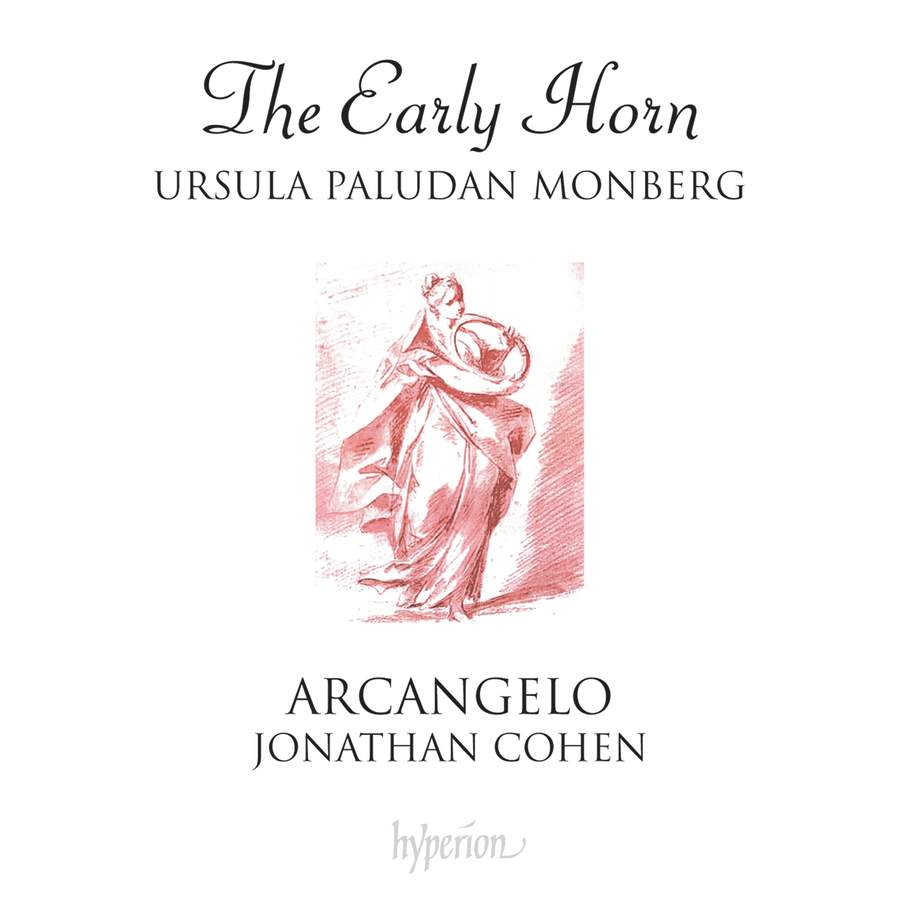
The Early Horn

The Early Horn
Ursula Paludan Monberg
Arcangelo, Jonathan Cohen
Hyperion CDA68289. 78’32

One of the most astonishing developments in musical instrument technology came with the elevation of the horn from its role a rather elemental rallying call to 17th-century aristocratic huntsmen to a sophisticated member of 18th-century court orchestras and chamber groups. One of the key aspects of this development was the technique of hand-stopping to alter the pitch. This was combined with the division of the 15 or so feet of tubing of the wound hunting horn into two parts, the smaller changeable crock allowing for changes of key. This recording explores the wide range of music composed for the natural horn during the 18th-century. Continue reading

Mozart: Concerto for Basset Clarinet & Concert Arias

Mozart: Concerto for Basset Clarinet & Concert Arias
Pieter Van Maldere: Sinfonia in D

Terra Nova Collective, Vlad Weverbergh, Coline Dutilleul
Etcetera KTC1627. 

This recording contrasts two composers, one well known, one little known, who were influenced by the Mannheim School and Classical Viennese Symphonies of Haydn, Vanhal, and Albrechtsberger. Pieter Van Maldere (1729-1768) was one of the principal composers of the Austrian Netherlands during the mid 18th century. He was a virtuoso violinist and Kapellmeister to Prince Karl of Lothringia (Regent of the Austrian Netherlands, brother of Emperor Franz Stephan and uncle of Emperor Joseph II). He composed 49 Symphonies, generally in the Galant style. Continue reading

Mon Dieu me paist

Mon Dieu me paist
Psalms by Claude Le Jeune
The Choir of St Catharine’s College, CambridgeEdward Wickham
Resonus RES10206. 58’26

This fascinating recording from the mixed-voice choir of St Catharine’s College, Cambridge under their director Edward Wickham looks at a little-known part of the late Renaissance vocal repertoire – settings of Psalms from the Genevan Psalter during the Calvinist Reformation in France composed by the Franco-Flemish composer Claude Le Jeune (c1530-1600). Le Jeune’s Psalm collection, Dodecacorde, was published in 1598. Four of the twelve multi-verse settings are performed here, each preceded by a simple harmonised setting from the Calvin Psalter. Continue reading

La Gracieuse: Pièces de Viole by Marin Marais

La Gracieuse
Pièces de Viole by Marin Marais

Robert Smith
Resonus Classics RES10244. 66’13

“Marais has taken the viol to its highest degree of perfection … he is the first to make known all its extent and beauty”. So wrote Évrard Titon du Tillet (in his 1732 Le parnasse françois) about Marin Marais (1636-1728). This recording explores the depth of that degree of perfection in a series of four Suites. Only one of them is an original Marais Suite, but instead, three of them have been assembled from the 600 or so pieces that make up the Suites contained in Marais’ five volumes of music for viola da gamba and continuo. This practice of selecting individual pieces from Suites was an acceptable practice at the time and has the advantage of allowing us to hear some of the lesser-known pieces.

Continue reading

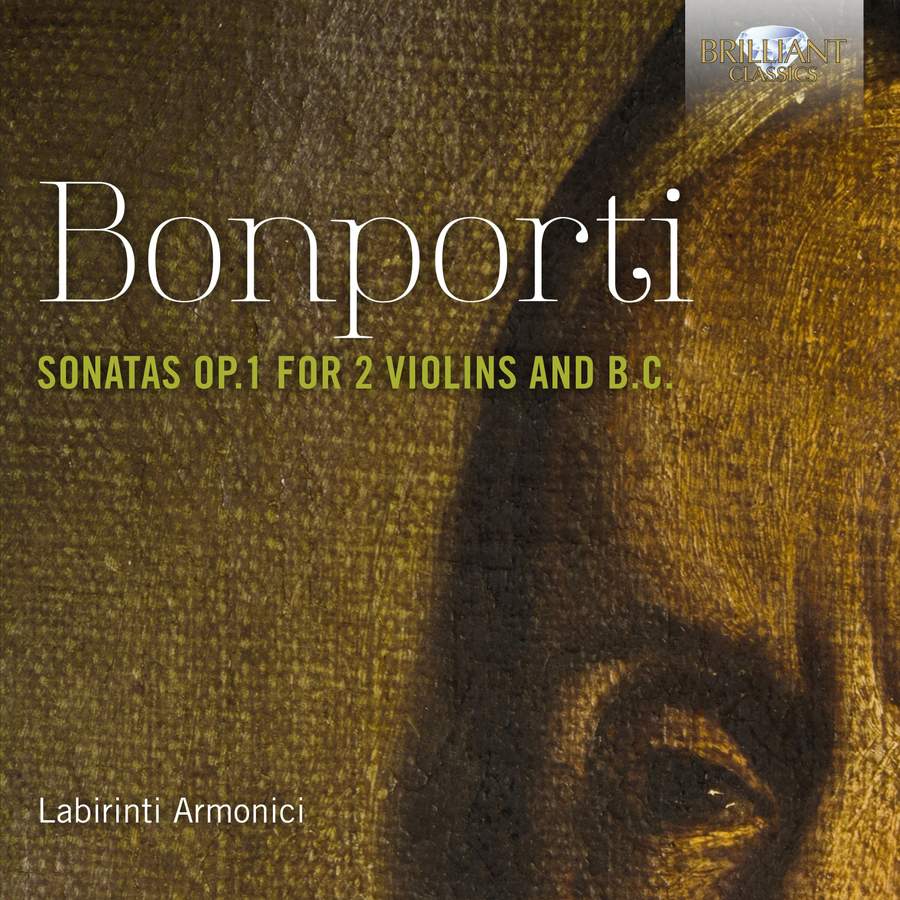
Bonporti: Sonatas Op.1 for 2 violins

Francesco Bonporti: Sonatas Op.1 for 2 violins and bc
Labirinti Armonici
Brilliant Classics 95966. 60’43

Francesco Antonio Bonporti (1672-1749) was born in Trento to a well-established family and remained there for much of his life. His family encouraged him into a career in the church, and those studies took him briefly to Innsbruck and then Rome, where he studied at the Collegium Germanicum from 1691-95. Whilst there, he studied music with the director of chapel music and came under the influence of Arcangelo Corelli. Bonporti’s Opera Prima: Suonate a Tre. Due violini, e violoncello obligate was published in 1696, just after his return to Trento from Rome. Continue reading
Bach Organ Works Vol IV

JS Bach: Organ Works Vol IV
Robert Quinney
Coro COR16132. 77’31

J.S. Bach: Organ Works Volume 4 album cover showing detail of a stained glass window in reds, oranges and yellows

For the third time in this series, currently of four CDs, Robert Quinney returns to the influential 1976 Metzler organ in Trinity College Chapel, Cambridge. It was built into the 1694 ‘Father’ Bernard Smith case, and retains several of Smith’s pipes in the principal chorus. The new organ was an early example of the North German Baroque-influenced organ style that had hitherto largely avoided the UK. Although it lacks the historical interest of restored organs of Bach’s time in Germany, it remains a suitable UK organ for Bach performance.  Continue reading

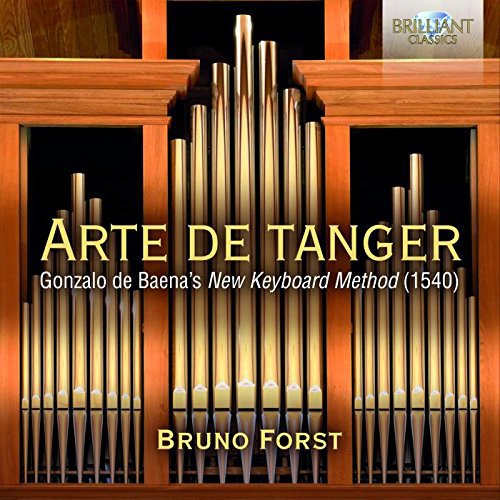
Gonzalo de Baena: Art de Tanger

Art de Tanger
Gonzalo de Baena’s New keyboard method (1540)
Bruno Forst, organ
Brilliant Classics 95618. 2CDs 61’21+73’55

Gonzalo de Baena (c1480-1540+) was a Castillian musician in the service of the King of Portugal. His Arte novamente inventada pera aprender a tãger (New method for learning to play) was printed under royal charter, but was never published. It was the first book of keyboard music printed on the Iberian Peninsula. Its discovery (by Alejandro Iglesias) was announced in 1992, having been previously incorrectly catalogued and titled in Madrid’s Biblioteca del Palacio Real. Continue reading
Dall’Abaco: Cello Sonatas

Giuseppe Clemente Dall’Abaco: Cello Sonatas
Elinor Frey (cello)
with Mauro Valli, Federica Bianchi & Giangiacomo Pinardi
Passacaille PAS1069. 62.27′

Dall abacos-cello-sonatas.jpg


Giuseppe Clemente Dall’Abaco (1709 – 1805) was a cellist and composer with Italian descent. His early musical training was with his father, Evaristo Felice Dall’Abaco, Kapellmeister to the Bavarian Court, who at the time of Giuseppe’s birth was exiled in Brussels during the War of the Spanish Succession. Giuseppe later travelled widely, working in Bonn, London, York, Paris, Verona, Venice, Vienna, and Munich. During his London visit in 1736-37, Charles Burney wrote that he “brought the violoncello into favour, and made us nice judges of that instrument”. Although his solo cellos pieces have been known for some time, this is the first recording of any of his 35 Cello Sonatas in their original form. Continue reading
Sigfrid’s Unbeaten Tracks

Sigfrid’s Unbeaten Tracks
Sigfrid Karg-Elert, Op 46 & 101
Graham Barber (organ)
Fugue State Films FSRCD016. 70’53

FSRCD016

Graham Barber has built a reputation for exploring some of the lesser-known byways of the organ world, particularly from the 19th and 20th centuries, and this recording is an excellent example of that focus. Sigfrid Karg-Elert (1877-1933) was a high profile organ composer in the UK and USA during the early years of the 20th century, so much so that the Organ Music Society of London arranged a ten-day festival of his music in 1930. He was, however, almost completely overlooked in his native Germany, where composers were taking a rather different path. A brief renaissance in the UK in the 1970s soon melted away, with the exception of the ‘March Triomphale’ on Nun danket alle Gott (Op65/59) which remains popular to this day, perhaps because it is a rare example of a German chorale melody that is also well-known in England, as ‘Now thank we all our God’.

Continue reading

Akoé: Nuevas Musicas Antiguas

Akoé: Nuevas Musicas Antiguas
Taracea, Rainer Seiferth
ALPHA 597. 51’13

https://outhere-music.com/en/albums/akoe-nuevas-musicas-antiguas-alpha597

This is the debut recording of the Madrid-based Taracea ensemble, the core trio expanded by three guest musicians. They describe the ancient Greek word Akoé as “the poetic concept of remembered sound, the idea of giving noise a meaning and a sense of order to prevent it from being forgotten.” Taking well-known pieces from the Medieval and Renaissance they mould a new sound world that evolved from a holiday-like recording session in a remote location. The music combines early music, jazz and improvisation to “create a bridge between past and present”.  Continue reading

Contrapunctus: Salve, Salve, Salve

Salve, Salve, Salve
Josquin’s Spanish Legacy
Contrapunctus, Owen Rees
Signum SIGCD608. 71’02

Cristóbal de Morales: Jubilate Deo omnis terra
Tomás Luis de Victoria: Missa Gaudeamus, Salve regina
Francisco Guerrero:Ave virgo sanctissima, Surge propera, amica mea
Josquin Desprez: Salve regina

Some of the most interesting recordings and performances of early music in the UK over the past decades has come from (generally Oxbridge) scholars whose academic research interests led them into (or kept them in) academia, many achieving high academic office. One such is Owen Rees, like many such, a former Oxbridge organ scholar. He is now Professor of Music at Oxford University and Fellow and Director of Music at The Queen’s College. His research interests are Iberian and English vocal music of the Renaissance, and his professional vocal group Contrapunctus allows this research to be presented to a wider musical audience. Their latest recording explores the influence of Josquin Desprez on Morales, Guerrero, and Victoria, the rather disparate composers united by their use of ostinato (the repetition of a motif throughout a piece), a technique inspired by Josquin.

Continue reading

Venetian Cello Sonatas

Venetian Cello Sonatas: Under the shade of Vivaldi
Gaetano Nasillo
Outhere/Arcana A465. 77’24

The subtitle of this recording “Under the shade of Vivaldi” explains its remit of exploring the lesser-known composers for the cello in Venice at a time when the music of Vivaldi held sway. The pieces chosen demonstrate two moments of musical transition. The first is the use of the cello as a solo instrument, rather than as a ‘mere’ bass continuo instrument, a development that started in the mid to late 17th-century. The second example of transition is in the structure of the Sonata from the traditional four movements to the more modern three. Perhaps tellingly, the two Sonatas in the later three-movement form (by Vandini and Stratico) are the most technically advanced of the eight Sonatas. Continue reading
Handel Singing Competition 2020

London Handel Festival
Handel Singing Competition: Semi-Final
St George’s, Hanover Square, 6 March 2020

UPDATE: It is intended that the final of the competition will be held at some future date.

I would normally wait until the final of the annual Handel Singing Competition before mentioning some of those who I heard in the semi-final but, with the Coronavirus cancellation of the entire London Handel Festival, this turns out to be the only review of the festival that I will be writing. The final would have been this evening, 24 March, so it seems an appropriate time to post this review of the semi-final. The reason I try to attend semi-finals of competitions like this is that I frequently hear people who, in my view, should have got through to the final but, for reasons best known to the judges, don’t make it. The London Handel Festival’s annual Handel Singing Competition is no exception to this situation.

Continue reading

A. Scarlatti: Sedecia – Re di Gerusalemme

A. Scarlatti: Sedecia – Re di Gerusalemme
Alessandro Stradella Consort, Estévan Velardi
Brilliant Classics BRI95537. 2CDs 62’24 + 67’40

This is a reissue of a 1999 studio recording by the  Alessandro Stradella Consort of Alessandro Scarlatti’s 1706 oratorio Sedecia: Re di Gerusalemme. It shares many characters with Verdi’s 1841 opera Nabucco, both based on an Old Testament story of military ambition and corrupted power.

Continue reading
Early Music Day (at home): 7:30pm

Early Music Day
Stay at Home Edition

Happy Birthday, J S Bach!

Click the links below to take you to publically available videos of the pieces that we would have performed during the informal 45′ afternoon Bach organ and solo instrument recitals that would have taken place in London’s St Giles-in-the-Fields on Early Music Day at 4, 5 & 6pm. This is the programme for the final 7:30pm concert, given by

Art of Moog & Andrew Benson-Wilson (organ) 

The poster for the series of events can be found here, as amended after the earlier pull out of Art of Moog because of the Coronavirus. Their 7:30pm evening concert with the historic St Giles-in-the-Fields organ is recreated with video links although sadly, none will have the combined Art of Moog and pipe organ. All the organ pieces below would have been combined with the Art of Moog instrumentalists.

An introduction to the Art of Moog
https://www.youtube.com/watch?v=AUJ8XSBHYnE

Art of Moog: Live at Kings Place – Selections
https://www.youtube.com/watch?v=U_B3Y1tXAhw

Art of Fugue Contrapunctus 1
https://www.youtube.com/watch?v=U5KjVEYzYAw
Benjamin Alard
l’église d’Arques-la-Bataille

Art of Fugue Contrapunctus 2
https://www.youtube.com/watch?v=M0HeE4MF01g&list=PL6cXnOI-FfSgtlLkIE5D1nXf660II0Pdd&index=8&t=0s
Glenn Gould

Adagio from The Easter Oratorio BWV 249
https://www.youtube.com/watch?v=CklCJk6kNFg
Art of Moog

Prelude in E minor
https://youtu.be/4_5efQbjybk
Art of Moog

Erbarm dich mein, o Herre Gott, BWV 721
https://www.youtube.com/watch?v=k3CNS2iK790
Ton Koopman
1643 Hans Heinrich Bader organ, St. Walburgiskerk, Zutphen

Wenn wir in höchsten Nöten sein
https://www.youtube.com/watch?v=GPMeBNU9fes
Wolfgang Zerer

Christ lag in Todesbanden
https://www.youtube.com/watch?v=rqwgeKOgezg
Wolfgang Zerer

Adagio from the viola da gamba sonata BWV 1029
https://youtu.be/3eAzorClu78
Art of Moog

Toccata D Moll BWV 565
https://www.youtube.com/watch?v=-xeqQo7bCvE
Jacques van Oortmerssen
1992 Glauco Ghilardi organ: S. Maria Assunta, Smarano

These concerts were to have been given in aid of the
Royal Society of Musicians
.

If you are willing to support this important musical charity, you can donate directly via this link https://www.rsmgb.org/fundraising/.  UK taxpayers can claim GiftAid. Please mention “Early Music Day” in the comments section of your donation.

#earlymusicday

Early Music Day (at home): 6pm

Early Music Day
Stay at Home Edition

Happy Birthday, J S Bach!

Click the links below to take you to publically available videos of the pieces that we would have performed during the informal 45′ afternoon Bach organ and solo instrument recitals that would have taken place in London’s St Giles-in-the-Fields on Early Music Day at 4, 5 & 6pm. This is the programme for the third, 6pm concert, given by

Andrew Benson-Wilson (organ)
playing organ chorales from Bach’s Leipzig manuscript
Poppy Walshaw (cello)

The poster for the series of events can be found here, as amended after the earlier pull out of Art of Moog because of the Coronavirus. Their 7:30pm evening concert with the historic St Giles-in-the-Fields organ will be similarly recreated with similar video links although sadly, none will have the combined Art of Moog and pipe organ.

Allein Gott in Der Hõh sei Ehr BWV 662
https://www.youtube.com/watch?v=QW2J10wRT2k
Jacques van Oortmerssen

Cello Suite No.3 in C. BWV 1009
Prélude, Allemande, Courante, Sarabande, Bourrées, Gigue
https://www.youtube.com/watch?v=tFtZ9tQiFxM
Colin Carr

Jesus Christus, unser Heiland BWV 666
https://www.youtube.com/watch?v=cQP-necHTK4
Bine Katrine Bryndorf

Komm, Gott, Schöpfer, Heiliger Geist BWV 667
https://www.youtube.com/watch?v=CdBLy6VePyk
Simon Thomas Jacobs
Richards, Fowkes & Co organ, St George’s Hanover Square

These concerts were to have been given in aid of the
Royal Society of Musicians
.

If you are willing to support this important musical charity, you can donate directly via this link https://www.rsmgb.org/fundraising/.  UK taxpayers can claim GiftAid. Please mention “Early Music Day” in the comments section of your donation.

#earlymusicday

Early Music Day (at home): 5pm

Early Music Day
Stay at Home Edition

Happy Birthday, J S Bach!

Click the links below to take you to publically available videos of the pieces that we would have performed during the informal 45′ afternoon Bach organ and solo instrument recitals that would have taken place in London’s St Giles-in-the-Fields on Early Music Day at 4, 5 & 6pm. This is the programme for the second, 5pm concert, given by

Andrew Benson-Wilson (organ)
playing organ chorales from Bach’s Leipzig manuscript
Annabel Knight (flute)

The poster for the series of events can be found here, as amended after the earlier pull out of Art of Moog because of the Coronavirus. Their 7:30pm evening concert with the historic St Giles-in-the-Fields organ will be similarly recreated with similar video links although sadly, none will have combined Art of Moog and pipe organ.

Von Gott will ich nicht lassen BWV 658
https://www.youtube.com/watch?v=WnsMlPv3MZk
Sietze de Vries

Nun komm’ der Heiden Heiland BWV659
https://www.youtube.com/watch?v=_gQ-7caubYk
John Scott
Taylor & Boody organ in the Gallery of Saint Thomas Church, New York

Partita for solo flute BWV 1013
Allemande, Corrente, Sarabande, Bourrée angloise
https://www.youtube.com/watch?v=onB39cumbF4
Marten Root

Jesus Christus, unser Heiland BWV 665
https://www.youtube.com/watch?v=HFd8VBV5eCg
Bine Katrine Bryndorf

These concerts were to have been given in aid of the
Royal Society of Musicians
.

If you are willing to support this important musical charity, you can donate directly via this link https://www.rsmgb.org/fundraising/.  UK taxpayers can claim GiftAid. Please mention “Early Music Day” in the comments section of your donation.

#earlymusicday

Early Music Day (at home): 4pm

Early Music Day
Stay at Home Edition

Happy Birthday, J S Bach!

Click the links below to take you to publically available videos of the pieces that we would have performed during the informal 45′ afternoon Bach organ and solo instrument recitals that would have taken place in London’s St Giles-in-the-Fields on Early Music Day at 4, 5 & 6pm. This is the programme for the first, 4pm concert, given by

Andrew Benson-Wilson (organ)
playing organ chorales from Bach’s Leipzig manuscript
Poppy Walshaw (cello)

The poster for the series of events can be found here, as amended after the earlier pull out of Art of Moog because of the Coronavirus. Their 7:30pm evening concert with the historic St Giles-in-the-Fields organ will be similarly recreated with similar video links although sadly, none will have the combined Art of Moog and pipe organ.

Fantasia supra Komm, Heiliger Heist BWV 651
https://www.youtube.com/watch?v=vohG88Mj2f4
William Porter
North German style organ in Smarano, Italy

Cello Suite No. 2 in D minor BWV 1008
Prélude, Allemande, Courante, Sarabande, Menuetts, Gigue
https://www.youtube.com/watch?v=Mg3nVSe–f4
Eva Lymenstull

O Lamm Gottes, unschuldig BWV 656
https://www.youtube.com/watch?v=YawozgUoYEI
Wolfgang Zerer
St Catherine’s Church, Hamburg

These concerts were to have been given in aid of the
Royal Society of Musicians
.

If you are willing to support this important musical charity, you can donate directly via this link https://www.rsmgb.org/fundraising/.  UK taxpayers can claim GiftAid. Please mention “Early Music Day” in the comments section of your donation.

#earlymusicday


Early Music Day (at home)

Early Music Day
Stay at Home Edition

Happy Birthday, J S Bach!


Early Music Day events around Europe are cancelled because of Coronavirus, including my own concerts in St Giles-in-the-Fields.

A live broadcast from behind closed doors is not possible, so at the start time of the four concerts I will post a programme of publically available videos of the pieces that we would have performed.

The first three will reflect the informal afternoon Bach organ and solo instrument recitals which would have taken place at 4pm, 5pm & 6pm, followed by a selection of the pieces that Art of Moog and I might have played in the 7:30pm evening concert although sadly, none will have the combined Art of Moog and St Giles-in-the-Fields pipe organ.

These concerts were to have been given in aid of the
Royal Society of Musicians
.

If you are willing to support this important musical charity, you can donate directly via this link https://www.rsmgb.org/fundraising/.  UK taxpayers can claim GiftAid. Please mention “Early Music Day” in the comments section of your donation.

#earlymusicday
@earlymusicday


Beethoven: 1808 Reconstructed

Beethoven: 1808 Reconstructed
Philharmonia Orchestra
Philharmonia Voices, Rodolfus Choir
Esa-Pekka Salonen, Pierre-Laurent Aimard, Stephen Fry
Royal Festival Hall, 15 March 2020

Symphony 6 (Pastoral); Ah! perfido, Op.65; Gloria from Mass in C; Piano Concerto 4; Symphony 5; Sanctus & Benedictus from Mass in C; Fantasia in G minor for piano, Op.77; ‘Choral Fantasy’ in C minor for piano, chorus & orchestra, Op.80

In the first of his several pop-up moments, the genial compere Stephen Fry announced that this was probably “the last mass gathering there will be at for some time”. The empty seats in what was an almost sold-out concert reflected the sorry story, as did the Government announcements the following day. But this day was Beethoven’s, with the Philharmonia Orchestra‘s recreation of Beethoven’s famous 1808 ‘Akademie’ concert. Given just a few days before Christmas at the Theater an der Wien in Vienna, the original concert consisted entirely of the works of the one composer. It included the first performances of several major works, including the 5th & 6thSymphonies, the 4th Piano Concerto and the hastily put-together Choral Fantasy. Continue reading

Mozart in Italy Festival

Mozart in Italy Festival
The Mozartists, Ian Page
Cadogan Hall, 6-8 March 2020

The Mozartists (and their companions, Classical Opera) continue with their ambitious MOZART 250 project with a weekend exploration of music written by Mozart and others in the year 1770 when he was 14 years old. The project started in 2015 on the anniversary of Mozart’s childhood visit to London and continues with annual explorations of the music that Mozart wrote exactly 250 years earlier, alongside music that Mozart might have heard during the same year. Following their 2015 ‘Mozart in London’ weekend, this weekend focussed on the time Mozart spent in Italy. The Cadogan Hall weekend included three formal concerts together with related talks and performances. There was a focus on different versions of Mitridate, re di Ponto, by Mozart and others, together with extracts from little-known operas by Guglielmi, Piccinni, Mysliveček and Jommelli that Mozart heard in Verona, Milan, Bologna and Naples. Continue reading

Laudario

Laudario
Musique au Temps de Saint François s’Assise
Canticum Novum
Ambronay AMY052. 62’11

In this recording, Canticum Novum explores music from the Laudario di Cortona, sacred songs from the time of St Francis of Assisi in the late 13th century. The songs were probably intended for use by the various fraternities, possibly in quasi liturgical situations such as street processionals.

Continue reading