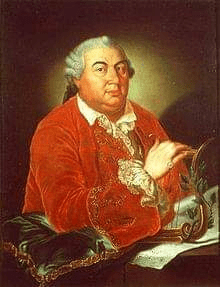
OAE: Solomon

Handel: Solomon
Orchestra and Choir of the Age of Enlightenment
, John Butt
Nardus Williams, Helen Charlston, Hugo Hymas, Florian Störtz
Queen Elizabeth Hall. 12 October 2025


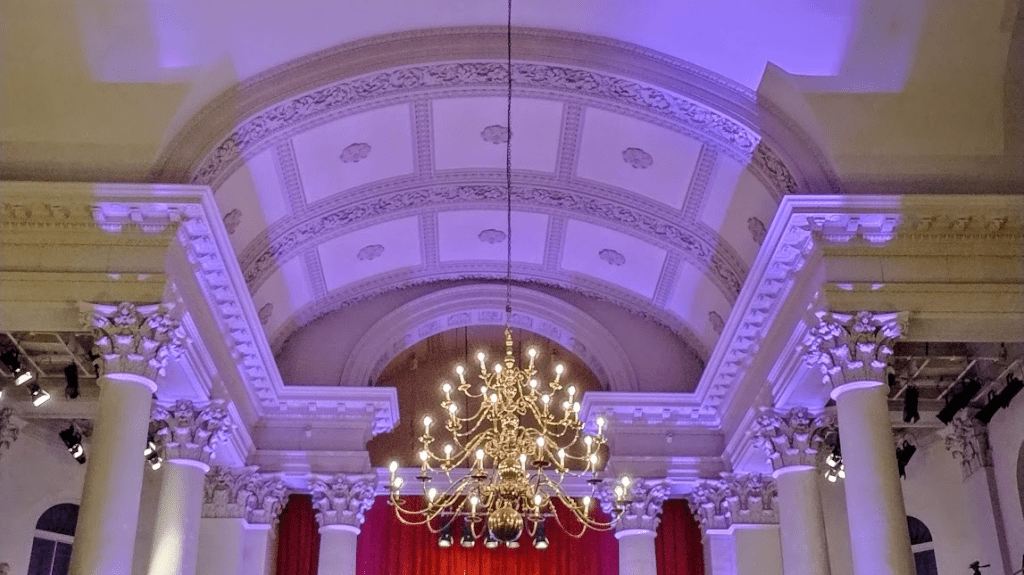
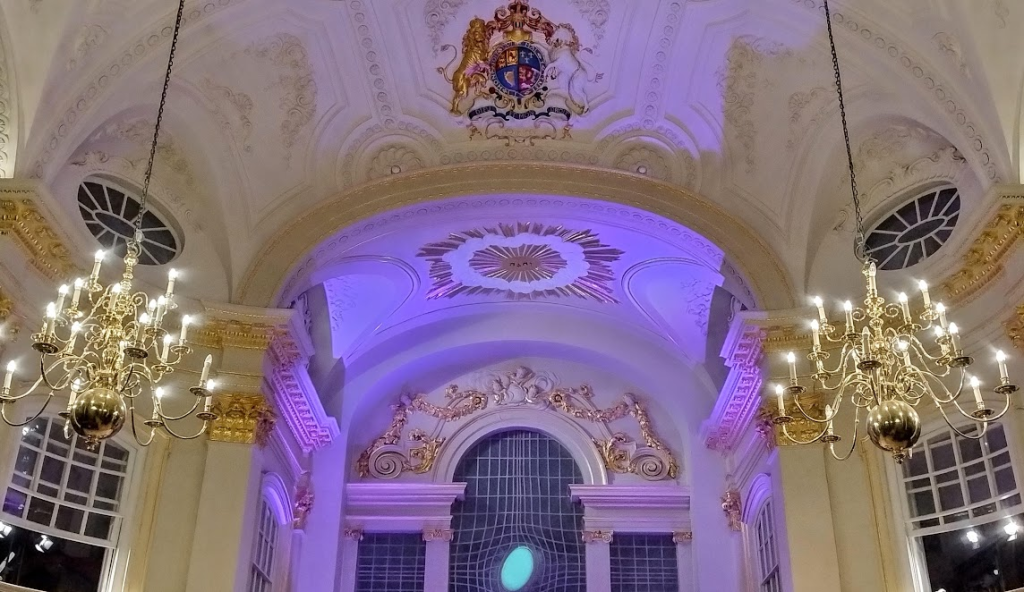
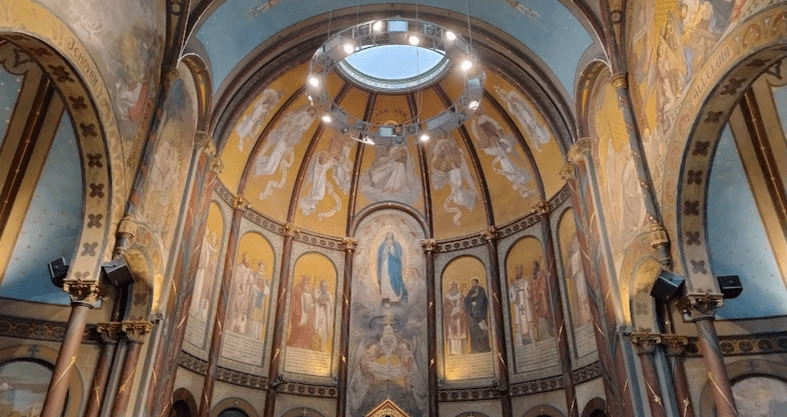
The Orchestra of the Age of Enlightenment opened its 40th anniversary season in impressive style with a performance of Handel’s 1748/9 Solomon in London’s Queen Elizabeth Hall. Described as one of “the most human and spectacular of Handel’s oratorios”, Handel’s colossal work tells the (rather sanitised) story of one of the Bible’s most prominent characters, King Solomon. The three Acts explore themes of leadership through illustrations of Solomon’s qualities. In Act I, his devoutness in consecrating the Temple and (bizarrely, considering the Biblical account of his amours) marital bliss are celebrated “amid flowers, sweet breezes and nightingales’ songs”. Act 2 recognises Solomon’s wisdom as he resolves the famous dispute between two women claiming to be the mother of the same child, whilst the final act highlights the splendour of Solomon’s kingdom through a lavish masque presented to the visiting Queen of Sheba, whose arrival is announced with the now well-known Sinfonia.

Continue reading

Laus Polyphoniae 2025, Antwerp

Laus Polyphoniae 2025
Ars Antiqua – Ars Nova – Ars Subtilior
Polyphony from the age of cathedral builders (1140-1440)

AntwerpFlanders
22 August – 31 August 2025

Laus Polyphoniae is the annual festival organised by AMUZ  (Flanders Festival Antwerp), dedicated to the music of the Middle Ages and Renaissance era. Since its inception in 1994, the festival has grown to become the largest festival dedicated to the European heritage of polyphony. The rebirth of Notre Dame in Paris following the fire was an ideal moment to explore the musical heritage of Europe’s cathedrals – architectural masterpieces that sparked a revolution in music. Under the title of Ars Antiqua – Ars Nova – Ars Subtilior: Polyphony from the age of cathedral builders (1140-1440), Laus Polyphoniae 2025 told the story of how cathedrals became musical laboratories where the greatest composers and performers of their time created the sounds of the Middle Ages. The programme covered different periods of medieval music history: the ‘old style’, or ars antiqua, with its search for new ways of notating rhythms; ars nova, in which polyphony became ever richer and more complex; and ars subtilior, with its exquisite musical renderings of outstanding poetry. Alongside this sacred repertoire, the festival also explored the secular world of the troubadours and minnesingers. Laus Polyphoniae also focuses on young up-and-coming talent through the International Young Artist’s Presentation (IYAP), reviewed here, held on the first Saturday of the Festival.

Continue reading

IYAP 2025: International Young Artist’s Presentation

International Young Artist’s Presentation
Laus Polyphoniae 2025
AMUZ, Antwerp. 23 August 202
5

The annual International Young Artist’s Presentation (IYAP) is a coaching and presentation scheme promoted by AMUZ (Flanders Festival Antwerp) and the Musica Impulscentrum. Its aim is to help promising young musicians “grow into tomorrow’s stars”. Six young early music ensembles are invited to three days of coaching by early music specialists before performing short programmes during public concerts on the first Saturday of the Laus Polyphoniae festival (reviewed here). Unlike many similar young artist events, it is not a competition but an informal opportunity for young musicians to develop their performing style. An invited Feedback Committee of concert promoters and others comment privately on these public performances. Scarily for me (and possibly them) my reviews are far from private, but I hope they will be equally helpful.

Continue reading

Oxford early music day

Oxford early music day
Continuo Foundation & Oxford Festival of the Arts,
Linarol Consort of Viols, Bellot Ensemble, Sir Nicholas Kenyon
Grove Auditorium, Magdalen College. 12 July 2025


As part of the Oxford Festival of the Arts, the Continuo Foundation promoted an Early Music Day, or more accurately, an afternoon, in the nether regions of Magdalen College. The three events included two concerts, contrasting more established musicians with a recently formed group, both recipients of Continuo Foundation grants, and concluded with a talk by Sir Nicholas Kenyon exploring “A Century of Revolution in Musical Taste”.

Continue reading

Melomania: Bojan Čičić & Stéphanie Brochard

Melomania
Bojan Čičić & Stéphanie Brochard

Oxford Festival of the Arts
Festival Hall, Magdalen College School. 10 July 2025


melos = music | mania = madness

It was Goethe who suggested that “Music is liquid architecture and Architecture is frozen music”. Something very similar could be said of the link between dance and music. From medieval times up to the present day, most music has been linked in some way to dance, with many pieces directly related to a specific dance form. For example, the well-known Baroque Suite genre with an opening Prelude followed by a sequence of dance movements, traditionally allemande, courante, sarabande, and gigue. The traditional musical forms of Passacaglia and Ciacona are both dance-based. This extraordinary duo performance between violinist Bojan Čičić and dancer and choreographer Stéphanie Brochard, commissioned by the Oxford Festival of the Arts, presented a unique combination of music for violin and a range of dance movements. It was called Melomania and was described as neither a dance performance nor a concert but a “danced concert that embodies an intense passion for music, awakening the senses”.

Continue reading

AAM: Beethoven’s 5th

Beethoven’s 5th
Academy of Ancient Music
Laurence Cummings, David Blackadder, trumpet
Academy of Ancient Music

Barbican Hall. 27 June 2025


Maria Theresia Ahlefeldt: Telemachus on Calypso’s Isle
Haydn: Trumpet Concerto
Beethoven: Symphony No. 5

In what was billed as “struggles, seduction and sparkling wit”, Laurence Cummings and the Academy of Ancient Music (AAM) gave another of their enterprising concerts, this time in the Barbican Hall. They opened with music from Maria Theresia Ahlefeldt, a composer little known today whose nationality seems to confuse many people. She was born in 1755 in Regensburg (then the permanent seat of the Imperial Diet of the Holy Roman Empire) as Princess Maria Theresia of Thurn and Taxis, the princely house that, since 1812, has had its seat in Regensburg’s Schloss Thurn und Taxis. After an ‘interesting’ early life of royal culture, privilege and intrigue, she eventually married a Danish Count against the wishes of her family (a criminal offence at the time for a royal), leading to her flight to Ansbach, part of the Brandenburg domains. In 1792, her husband later became director of the Royal Danish Theatre, where the ballet-opera Telemachus on Calypso’s Isle was first performed later the same year.

Continue reading

Mozart 250: 1775

Mozart 250: 1775
The Mozartists, Ian Page, Rachel Podger
Wigmore Hall. 18 June 2025

Photo: The Mozartists

Haydn: Symphony No. 66 in B flat
Mozart: Violin Concerto No.2 in D major, K.211
Symphony in D major, K.196+K. 121/207a
Violin Concerto No.5 in A major, K.219


The Mozartists‘ enterprising MOZART 250 project has reached its 10th anniversary, with concerts this season focusing on the year 1775, when Mozart was about 19. The project started in 2015 on the 250th anniversary of Mozart’s childhood visit to London and will follow Mozart’s musical life and that of his contemporaries year by year until the 250th anniversary of his death in 2041. It has been described as a “journey of a lifetime”, but it will probably outlive many members of the current concert audience. Given the noise the audience made during tuning up, I am not sure if they deserve to see the project through to the end. Perhaps surprisingly, given their status in the repertoire, Mozart completed all of his violin concertos by the time he was 19. This concert included two of them, with two more coming in November. The soloist, making her debut with The Mozartists, was the distinguished violinist Rachel Podger.

Continue reading

OAE: Elgar

Elgar
Orchestra of the Age of the Enlightenment
Dinis Sousa, Frances Gregory
The Anvil, Basingstoke. 6 June 2025

In the South (Alassio)
Sea Pictures
Enigma Variations

The Orchestra of the Age of the Enlightenment has long since expanded their musical interests well beyond the bounds of the historical (18th-century Age of Enlightenment, not least into the music of the last 150 years or so, on this occasion focusing on the music of Edward Elgar from the years around 1900. Their conductor, the Portuguese Dinis Sousa, was making his debut with the orchestra. This must be a terrifying experience for any conductor, given the extraordinary musical knowledge of the OAE musicians and their willingness, in true Enlightenment manner, to question percived musical wisdom. It was also possibly his debut conducting an all-Elgar concert. Both experiences proved to be memorable for him; his rapport with the OAE players was obvious, as was his refreshing take on Elgar, notably his most famous piece, the Enigma Variations.

Continue reading

Rune & Ensemble Gamut!

Rune & Ensemble Gamut!
St Mary’s Church, Rotherhithe
Sunday 1 June 2025

There is medieval music, and there is medieval music, as demonstrated by this double-bill concert in the 18th-century riverside church of St Mary, Rotherhithe, a church known to organists for its 1764 John Byfield organ. The medieval music in the first half came from Rune, a recently formed London-based group of five musicians, but on this occasion, four: Angela Hicks, soprano & harp, Daniel Thomson, tenor, May Robertson, vielle, and Daniel Scott, recorders. Their name originates from the Old English ‘rūn’, meaning a mystical spell-song, and reflects their fascination with music from 700 years ago. Their programme was based on stories from the 14th-century Decameron, described in the concert flyer as “portraying various aspects of human nature and experience through some of the most beautiful music of the time”.

Photo: Ben Tomlin

Continue reading

AAM. Bach: Art of Fugue

Bach: Art of Fugue
Academy of Ancient Music, Concert Theatre Works
Laurence Cummings, Bill Barclay
Peter Bray, Steffan Cennydd, Imogen Frances, Simon Slater
Milton Court, 15 May 2025

Photo: Mark Allan

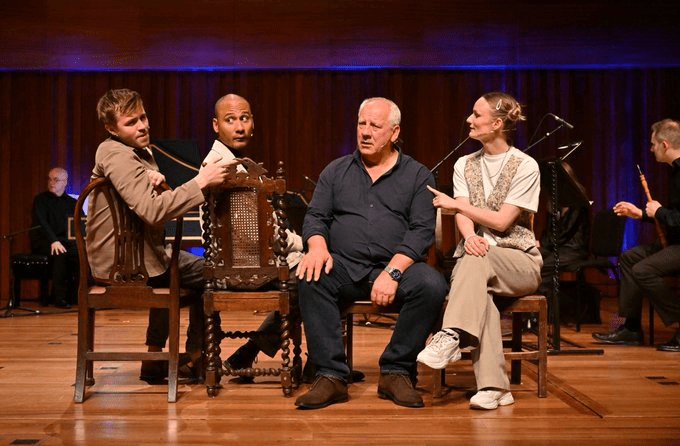
Johann Sebastian Bach’s Art of Fugue (Die Kunst der Fuge) is one of the greatest monuments of Western music. You mess with it at your peril. And mess with it at their peril is just what writer and director Bill Barclay with Concert Theatre Works did with the connivance of Lawrence Cummings and the Academy of Ancient Music (AAM), who commissioned this particular messing.

The Art of Fugue was composed during the last decade of Bach’s life, although the spurious accounts of Bach dying while composing the final fugue, on which much of the plot of this concert-theatre production relies, have long since been discredited. It was not published until shortly after Bach’s death, although autograph manuscripts of most of it survive. It consists of fourteen fugues (each called Contrapunctus) and four canons, all in D minor, and all using the same main theme, albeit in many varied forms. With the exception of the final fugue, which is written in conventional two-stave keyboard format, each piece has a separate line for each of the four voices (open-score) in a similar fashion to several learned musical works of the previous century or more. There is no indication of which instrument Bach intended or, indeed, if he intended it for performance at all, using it as an example of his skill in contrapuntal composition. There are no orchestral instruments of the time that could play all the lines on the same instrument, leading to the assumption that it was intended for the harpsichord. Performance on the organ is common, although there are many questions to be considered, not least the choice of registrations.

Continue reading

Sense & Musicality: Jane Austen and Music

Sense & Musicality
The love story of Jane Austen and Music

Penelope Appleyard, Jonathan Delbridge
Newbury Spring Festival
Shaw House, Newbury. 13 May 2025

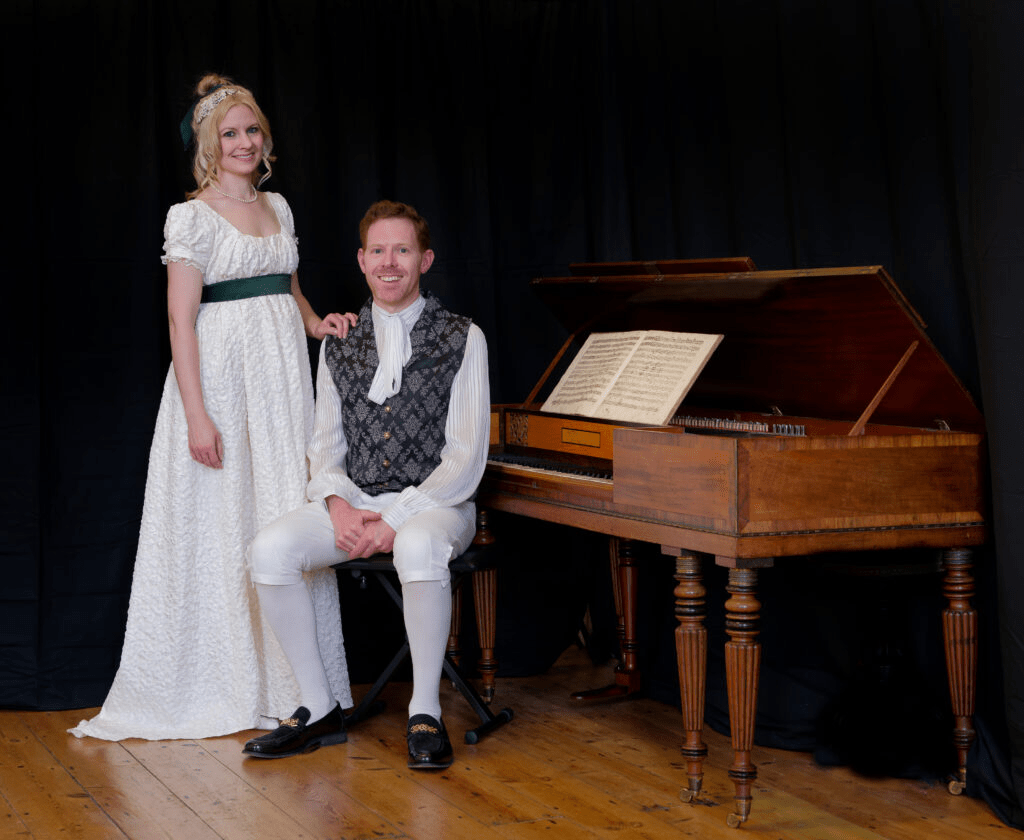
In the 250th anniversary year of Jane Austen’s birth in Steventon, near Basingstoke, much attention has been paid to her writings and the aspects of her own life that her books reveal. One part of her life that can be overlooked is her love of and interest in music. One example of the quest to explore Jane Austen’s musical interests came with a performance of Sense & Musicality: “The love story of Jane Austen and Music” given by soprano Penelope Appleyard and Jonathan Delbridge, playing his own 1814 Broadwood square piano, in the Hall of Shaw House, Newbury, not far from her birthplace.

Continue reading

Bach: St John Passion

Bach: St John Passion
Academy of Ancient Music, Lawrence Cummings
Barbican Hall, 18 April 2025


Nicholas Mulroy, Evangelist, Dingle Yandell, Christus,
Carolyn Sampson, soprano, Helen Charlston, alto, Ed Lyon, tenor, Jonathan Brown, bass

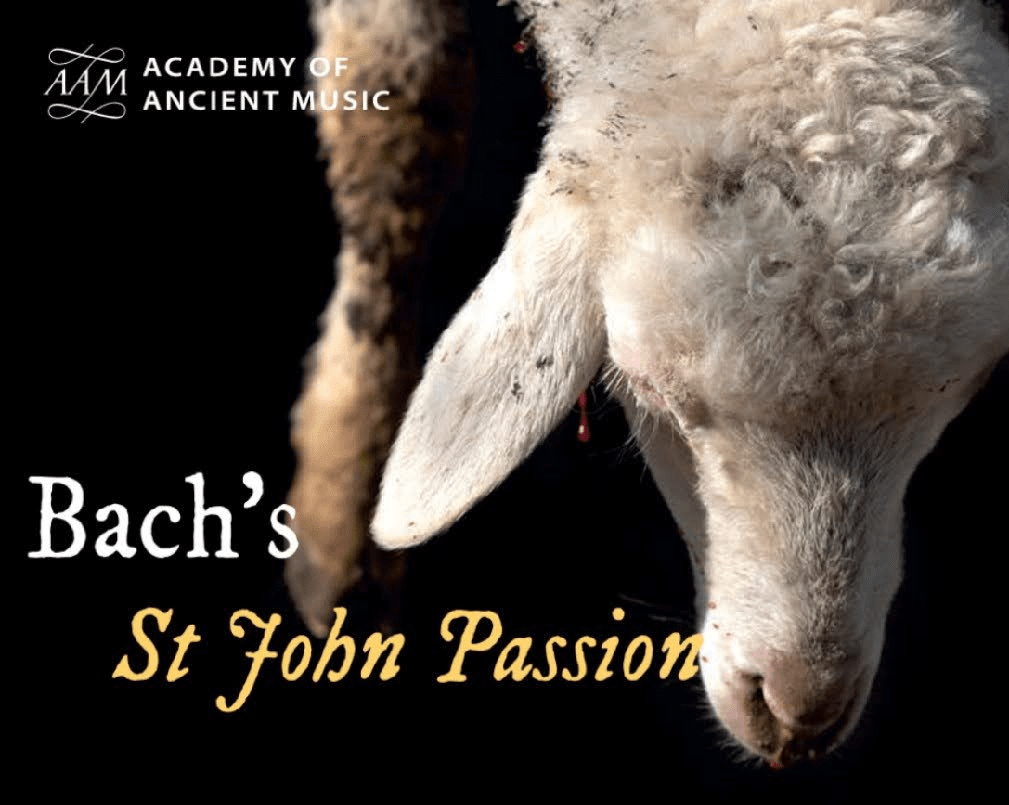
Music has played a key role in religious occasions since the earliest times, and has played a notable role in most aspects of Western Christianity. When listening to pieces like the John or Matthew Passions or Messiah, I often wonder whether it is the words and the story, or the music that has the most highly charged emotional effect on those listening. For Christians, 3pm on Good Friday is one of the most sacred times of the year: according to one of the gospels, the moment when Jesus died after a three-hour-long crucifixion. In many Christian traditions, the whole day is devoted to fasting. But, for around 2000 people, 3pm was the start of the Academy of Ancient Music’s performance of Bach’s St John Passion in a packed Barbican Hall.

Continue reading

AAM. Transatlantic: Classical Masters

Transatlantic: Classical Masters
José Maurício Nunes Garcia, Haydn, Mozart
Academy of Ancient Music, Laurence Cummings, Katherine Spencer, clarinet
Milton Court, 13 March 2025

Nunes Garcia: Overture in D major; Dilexisti justitiam
Mozart: Clarinet Concerto in A major
Nunes Garcia: Tantum ergo
Mozart: Ave verum corpus
Haydn: Notturno in G major
Nunes Garcia: Litany for the Sorrows of Our Lady

The Acadamy of Ancient Music (AAM) continues its Transformation season with the programme Transatlantic: Classical Masters, focusing on the Brazilian composer José Maurício Nunes Garcia (1767-1830) and his heroes Haydn and Mozart. Nunes Garcia was born in poverty in Portuguese Rio de Janeiro to Afro-Brazilian parents, both seemingly the children of slaves, courtesy of their respective slave owners. An early musical talent was recognised, and Nunes Garcia was soon singing in Rio’s cathedral and, by the age of 12, was teaching music and learning keyboard instruments at the homes of his wealthy pupils. He was composing by the age of 16, and just a year later was sufficiently recognised as a music teacher to be a founding signature to the Brotherhood of Saint Cecilia. His wish to take Holy Orders was finally achieved at age 25 after being excused from the requirement to be “free from any colour defect” and becoming the required “estate owner”, courtesy of the father of one of his students. Shortly afterwards, he was appointed as “public music instructor” and set up a free music school for local children in his newly acquired house.

Continue reading

OAE. Beethoven: Hero/Rebel

Beethoven: Hero/Rebel
Orchestra of the Age of Enlightenment
Maxim Emelyanychev conductor, Vilde Frang violin

Queen Elizabeth Hall. 27 February 2025

Vilde Frang. Photo credit: Marco Borggreve

Beethoven: Violin Concerto, Symphony No.3 (Eroica)

Responding to the question “What does it mean to be a hero or a rebel?”, the Orchestra of the Age of Enlightenment featured two of Beethoven’s works that they suggest represent his rebellious spirit and heroism. As Beethoven faced his struggles of increasing deafness, Napoleon’s campaign to free Europe from tyrannous monarchies had given him hope. But when Napoleon declared himself Emperor, the composer famously scratched out the dedication from the cover page of the Symphony’s manuscript, reportedly declaring: ‘So he is no more than a common mortal! Now he, too, will tread underfoot all the rights of man and indulge only his ambition.”

Continue reading

Italian Legacies: Geminiani and his English Contemporaries

Italian Legacies: Geminiani and his English Contemporaries
Academy of Ancient Music, Bojan Čičić, Anna Devin

Milton Court, 7 February 2025

Arne Overture in G major No. 3
Mudge Concerto No. 1 in D major
Geminiani Concerto Grosso in C major Op. 7 No. 3
Linley Music for The Tempest
Boyce Overture from Peleus and Thetis
Linley Violin Concerto in F major
JC Bach La Tempesta

Billed as “Swinging London meets Italian flair, 18th-century style”, this imaginative concert from the Academy of Ancient Music, directed from the violin by Bojan Čičić, took us on a tour of the music scene in 18th-century Britain: a place where “everything was up for grabs”. The blurb continued – “A nation was remaking its identity – embracing global fashions and diverse cultures, and locked in passionate debate about its relationship with Europe. English composers wrote Italian operas, the spirit of Shakespeare met the inspiration of Corelli and Vivaldi, and Bach’s youngest son carved out a musical niche that was entirely his own”.

Continue reading

Polyphony/OAE. Christmas Oratorio

Bach: Christmas Oratorio
Polyphony, Orchestra of the Age of Enlightenment, Stephen Layton
St John’s, Smith Square. 22 December 2024


The Christmas Festival at St John’s, Smith Square (now rather boringly renamed as Smith Square Hall) has been a key part of London’s Christmas music season for nearly 40 years. The climax of these festivals has been the traditional two performances of Bach’s Christmas Oratorio and Messiah from Polyphony and, in recent years, the choir of Trinity College Cambridge, conducted by the artistic director of the festival, Stephen Layton. Having recently left his post of Director of Music at Trinity College, both events now feature Polyphony together with the period instrumentalists of the Orchestra of the Age of Enlightenment.

Continue reading

AAM: Messiah

Handel: Messiah
Academy of Ancient Music, Laurence Cummings
The Barbican, 17 December 2024

Handel’s Messiah is a curious piece. Usually ritualistically churned out at Christmas and Easter, it was first performed at Easter in Dublin in 1742 after a mere 24 days of composition (a speed not unusual in Handel’s opera compositions), the autograph score bearing witness to the compositional haste. It went through several revisions in the following years, generally to suit the available forces for each performance. The score wasn’t published until eight years after Handel’s death. The version used for this Barbican performance from the Academy of Ancient Music stems from the early 1750s. The rather obtuse libretto was put together by the wealthy landowner, Charles Jennens, from the King James Bible and Psalms from the Book of Common Prayer, seemingly in support of his staunch Anglican leanings. The text is not easy to follow, let alone understand, but Handel composed with apparent relish, making no change to the texts to suit his musical ideas.

Continue reading

Ton Koopman @ 80

Ton Koopman 80th Birthday Celebrations
Soloists of the Amsterdam Baroque Orchestra, Ton Koopman
Wigmore Hall, 29 November 2024

Ton Koopman and a pocket-sized version of his Amsterdam Baroque Orchestra came to the Wigmore Hall as part of his extended 80th Birthday Celebrations. The main touring programme of the celebration year has been a new version of Handel’s Esther, which I don’t think ever came to the UK, but this was a less ambitious programme of music by the prolific Georg Philipp Telemann (1681-1767) performed by six soloists from his orchestra.

Continue reading

AAM: Viennese Virtuosity

Viennese Virtuosity: Symphonies by Mozart, Haydn and friends
Academy of Ancient Music,
Laurence Cummings
Milton Court, 14 November 2024

Wanhal: Symphony in D major, Bryan D17
Mozart: Symphony No 36, Linz
Dittersdorf: Symphony No 4 from Symphonies after Ovid’s Metamorphosis
Haydn: Symphony No 80

The Academy of Ancient Music (AAM) and Laurence Cummings continue their Transformation series of 2024/5 concerts with a concert of symphonies by Johann Baptist Wanhal, Wolfgang Amadeus Mozart, Carl Ditters von Dittersdorf and Joseph Hadyn. It was based on an occasion around 1784 when they played as a string quartet during a social gathering in Vienna. The story comes from an 1826 publication by a singer friend of Mozart, who noted that “… the players were tolerable, not one of them excelled on the instrument he played; but there was a little science among them, which I dare say will be acknowledged when I name them: The First Violin: HAYDN, Second Violin: BARON DITTERSDORF, Violoncello: VANHALL, Viola: MOZART“.

Continue reading

OAE: The Six Brandenburgs

J S Bach: The Six Brandenburg Concertos
Orchestra of the Age of Enlightenment

The Anvil, Basingstoke. 12 November 2024


Performing all six of Bach’s Brandenburg Concertos in a single concert is a relatively rare occurrence, so this was a very welcome event in Basingstoke’s Anvil concert hall, a favourite venue for the Orchestra of the Age of Enlightenment, one of the Anvil’s Associate Orchestras. One of the problems of playing all six concertos is the logistics of gathering so many instrumentalists together, with several only needed for one piece. Another is the length, on this occasion lasting from 7.30 until nearly 10pm. Although the programme suggested the concertos would be played in their numbered order, the Orchestra of the Age of Enlightenment performed them in the sensible order of 1, 3, 5 + 4, 6, 2, as they did in their St John’s, Smith Square concert in 2017, reviewed here. This order provides some key contrast, and saves the most powerful concerto to the end, made more dramatic by following two more intimate concertos.

Continue reading

Picardy Players: Birch Tales

Birch Tales
The Picardy Players, James Batty
Art Workers’ Guild, 19 October 2024


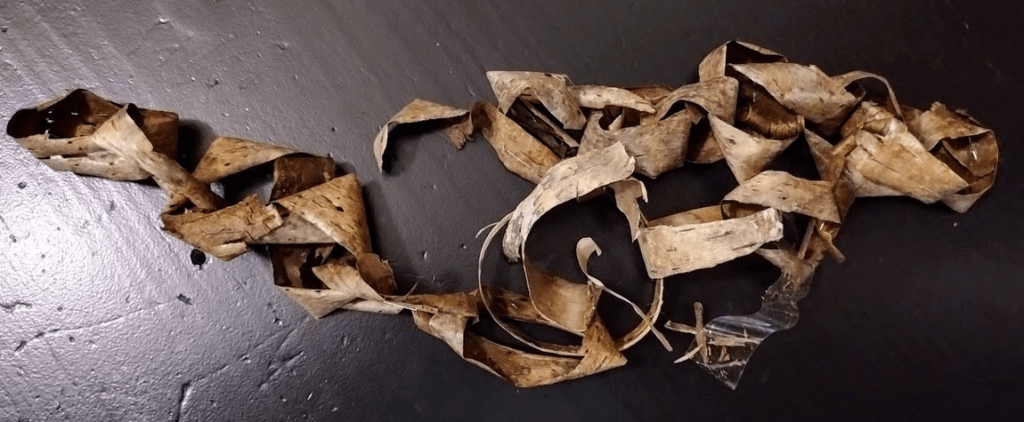
This fascinating “multi-sensory concert experience” from the Picardy Players ticked several boxes of musical and historical interest alongside the senses of sight, smell, taste and touch, represented by displays of birch bark, wafts of woodland smells, birch juice drinks from the bar, and a honey pastry and a little pendant tied to birch bark left for us on our seats – all explained in the brief programme note by linking them to the various tales that we were about to hear.

Continue reading

AAM: Charpentier’s Actéon & Rameau’s Pygmalion

Charpentier’s Actéon & Rameau’s Pygmalion
Academy of Ancient Music, Laurence Cummings

Anna Dennis, Rachel Redmond, Katie Bray, Thomas Walker
Milton Court, 9 October 2024

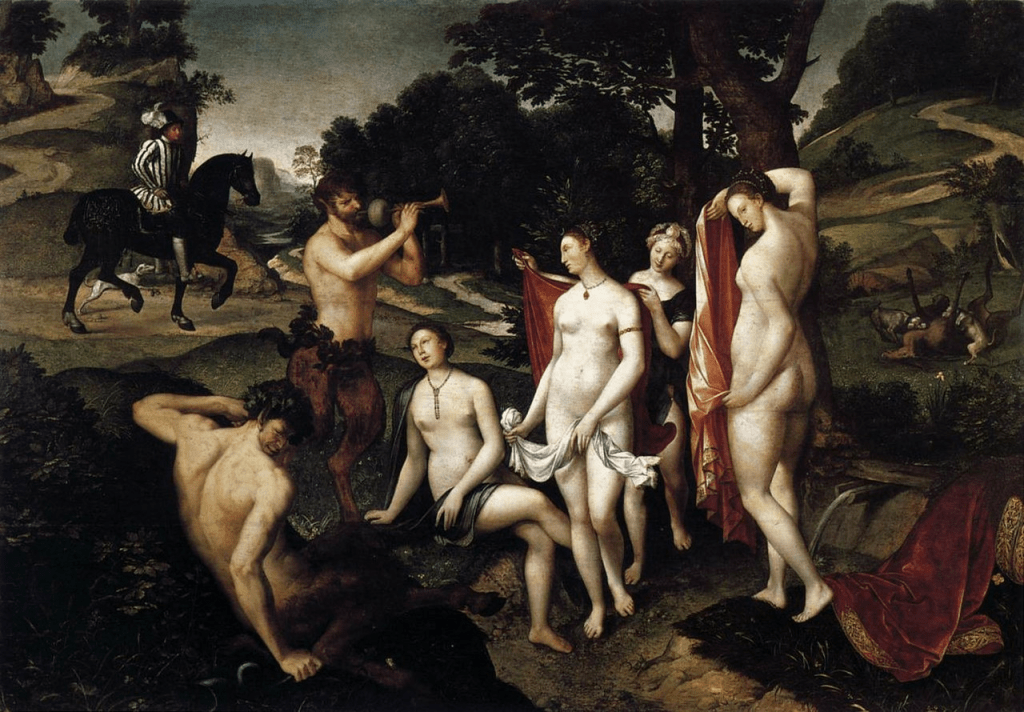
François Clouet: Bath of Diana (1558)

The Academy of Ancient Music opened its 2024/25 season, under the banner of Transformation, with a concert performance double-bill of French Baroque ‘operas’ or, more exactly, a Pastorale en musique and an Acte de ballet – Marc-Antoine Charpentier’s Actéon and Jean-Philippe Rameau’s Pygmalion. I am following those irritating promotional videos that encourage you to stay tuned until the end by urging you to read this review through to the end – this concert ended with one of the most extraordinary examples of musical professionalism and skill from the AAM’s musical director, Laurence Cummings, recently and deservedly appointed as an OBE.

Continue reading

The Sixteen. Purcell: The Fairy Queen

Purcell: The Fairy Queen
The Sixteen, Harry Christophers
Matthew Brook, Robin Blaze, Antonia Christophers
Cadogan Hall. 25 September 2024


There are many ways to perform Purcell’s The Fairy Queen, including a particularly energetic one at this year’s BBC Proms and another earlier in the year from HGO. In my review of the Proms version, I suggested that “… this must rank as one of the most inventive and entertaining” of the many versions of this musical extravaganza I have seen. I can now add this outstanding concert performance of Purcell’s music by Harry Christophers and The Sixteen to my list of favourites. Not only was it “inventive and entertaining” but, with the aid of one of the best programme booklets I have ever read and the lively, engaging and informative narrator, Antonia Christophers (I guess, a relation), the whole thing made perfect sense.

Continue reading

The Mozartists: Jommelli – a celebration

Niccolò Jommelli – a celebration
The Mozartists, Ian Page
Fflur Wyn, Ambroisine Bré, Hugo Brady

Wigmore Hall, 18 September 2024

“Vidi il mar tutto in procella” from Ricimero, re de’ Goti (1740)
“Se il povero ruscello” from Ezio (1741)
“Io già sento nel mio petto” from Merope (1741)
“Crescon le fiamme” from Didone abbandonata (1763)
“De’ miei desiri ormai… Che farò?” from Il Vologeso (1766)
Duetto, “La destra ti chiedo” from Demofoonte (1764)
“ Ombre che tacite qui sede” from Fetonte (1768)
“Hereuse paix tranquille” from La critica (1766)
“Fra l’orror di notte oscura” from Armida abbandonata (1770)
“Prendi l’estremo addio” from Ifigenia in Tauride (1771)
“Sol del Tebro in su la sponda” from Il trionfo di Clelia (1774)
“Misera Armida … Odio, furor, dispetto” from Armida abbandonata (1770)

You would be forgiven for not having heard of Niccolò Jommelli (1714-1774), although he does have a Facebook profile, with the above profile picture – and now wants me to be his ‘Friend’. A prolific Neopolitan composer well-known in his day, he composed around 80 operas. He was described at the time as “the creator of a quite new taste, and certainly one of the foremost musical geniuses who have ever lived“. Selections from 11 of these were featured in this concert celebrating the 250th anniversary of his death, the first in The Mozartists’ 2024/25 season. Their exploration of Mozart and the composers around him in their MOZART 250 project has revealed many little-known delights, and Jommelli is certainly one of them. Of the five times I have reviewed music by Jommelli on this website, most have been courtesy of The Mozartists, including their 2016 concert performance of Jommelli’s opera Il Vologeso.

Continue reading

Laus Polyphoniae 2024, Antwerp

Laus Polyphoniae 2024
“VOX\VOCES, monophonic\polyphonic”
Antwerp, Flanders
23 August – 1 September 2024


Antwerp’s annual Laus Polyphoniae festival, as the name suggests, is devoted to music from the late Middle Ages and Renaissance, a period when polyphony was paramount. This year’s festival had the banner of VOX\VOCES, monophonic\polyphonic reflecting an investigation of links between monophonic and polyphonic music during the period. As usual, it was organised by AMUZ (Flanders Festival Antwerp) from its base centred around the baroque St. Augustine Church in the centre of Antwerp. An introductory essay to the festival and clickable details of all the events can be found here. The festival lasted for 11 days, but I was only able to review the first four days. which included the International Young Artist’s Presentation (IYAP) on the first Saturday, reviewed here.

Continue reading

International Young Artist’s Presentation 2024

International Young Artist’s Presentation
Laus Polyphoniae 2024
AMUZ, Antwerp. 24 August 2024

The International Young Artist’s Presentation (IYAP) is an annual coaching and presentation scheme promoted by AMUZ (Flanders Festival Antwerp) and the Musica Impulscentrum to help promising young musicians “grow into tomorrow’s stars”. Six young early music ensembles are invited to three days of coaching by international early music specialists before performing short programmes during public concerts on the first Saturday of the Laus Polyphoniae festival (reviewed here). Unlike most similar young artist events, it is not a competition but an informal opportunity for young musicians to develop their performing style. An invited Feedback Committee of concert promoters and others comment privately on their public performances. Scarily for me, and possibly them, these reviews are far from private, but I hope will be equally helpful.

Continue reading

Prom 40: St John Passion

BBC Proms: Bach’s St John Passion
Bach Collegium Japan, Masaaki Suzuki
Royal Albert Hall, 19 August 2024


Bach’s Passio secundum Joannem, the St John Passion, was first performed on 7 April 1724 during the Good Friday Vespers at the Nicholaskirche in Leipzig, a last-minute change from the originally planned Thomaskirche. It was less than a year since he took up the post of Thomaskantor, a post that, infamously, had been first offered to both Telemann and Graupner who both turned the offers down. The 300th anniversary of the first performance was one of several anniversaries celebrated during this year’s BBC Proms at the Royal Albert Hall. It was first performed complete at the Proms in 1967, although extracts had been incorporated into the popular ‘Bach Wednesdays’ since 1924.

Continue reading

Proms: Purcell’s The Fairy Queen

BBC Proms: Purcell’s The Fairy Queen
Les Arts Florissants, Le Jardin des Voix, Compagnie KÄFIG
Paul Agnew, conductor, Mourad Merzouki, choreographer/stage director
Royal Albert Hall, 6 August 2024


There are many ways to perform Purcell’s The Fairy Queen, but this must rank as one of the most inventive and entertaining. I have seen many versions of this musical extravaganza, including a bottom-numbingly-long version that attempted to recreate the original 1692 production when Purcell’s five masques were interspersed between sections of the spoken play, which was an appallingly turgid adaptation of Shakespeare’s Midsummer Night’s Dream. Composed to celebrate the anniversary of William and Mary’s wedding, Purcell’s five masques bear a marginal and rather metaphysical and academic relationship (explained here) to Shakespeare’s play, the revised version concentrating on the dream-like world of the fairies. The five masques are all introduced by Titania or Oberon, who may well have been played by eight or nine-year-old children, seemingly joined by a wider cast of young children.

Continue reading

2024 York Early Music International Young Artists Competition

York Early Music International Young Artists Competition 2024
National Centre for Early Music
York, 13 July 2024


Founded in 1985, the biennial York Early Music International Young Artists Competition takes place in the National Centre for Early Music (NCEM) in the former church of St Margaret’s, Walmgate in York. As usual, it formed the conclusion of the annual York Early Music Festival. The competition is open to ensembles with at least three members aged 36 years or under with an average age of 32 or less. The repertory must be from the Middle Ages to the nineteenth century, and performers must use historically informed playing techniques, instruments and stylistic conventions.

This year, nine ensembles were selected by the Festival’s Artistic Advisors based on audio recordings but one, the Swiss-based ensemble BREZZA had to withdraw before the final. As usual, the two days before the final featured informal recitals under the guidance of conductor and keyboard player Steven Devine. These informal recitals allow finalists to adapt to the performance space and get to know the audience before the competition final. The Competition final takes place before an international jury (on this occasion Bart Demuyt, Philip Hobbs, Elizabeth Kenny, Lionel Meunier and Emily Worthington) with an audience that includes representatives of the broadcasting, recording, festival and music promotion worlds. It is a key opportunity to identify new and promising young talent.

The final was broadcast live on the NCEM YouTube channel, and can be viewed here – there is also a link to the detailed programme for the final. The final was also recorded by BBC Radio 3, and highlights will be broadcast on the Early Music Show on 3 November and will be available afterwards on BBC Sounds.

Continue reading

The Renaissance Singers at 80

Sing Joyfully
The Renaissance Singers at 80
Renaissance Singers, The San Trovaso Consort, David Allinson
St. George’s Bloomsbury. 29 June 2024

Robert Fayrfax: Magnificat ‘Regale’ a5
Giovanni Pierluigi da Palestrina: Super flumina Babylonis a4
Jacobus Clemens: Ego flos campi a7
Orlando Lassus: Missa Puisque j’ay perdu a4, Kyrie and Agnus Dei
Heinrich Isaac: Virgo Prudentissima a6

Thomas Luis de Victoria: Four Mairan Antiphons
Alma redemptoris mater a8; Ave regina caelorum a8; Salve regina a8; Ave Maria a8
Mikolaj Zielenski: Magnificat a12

In July 1944, a newly formed choir gave its first concert as V2 bombs fell on London. Founded by Michael Howard, The Renaissance Singers was seen as the performing wing of the Renaissance Society and were motivated by a love of Renaissance vocal music. They aimed to recover lost masterpieces and share them with new audiences. At the time, the repertoire was unfamiliar, and there were few if any performing additions. Early audience members included Ralph Vaughan William, who became their second President. Under its current Musical Director David Allinson it is now one of the UK’s leading amateur chamber choirs specialising in early music, pioneering neglected composers, bringing original programmes to new audiences, and collaborating with top-flight musicians in a year-round programme of concerts and workshops.

Continue reading