Rune
Lost in Contemplation: Saints and Miracles
St. Bartholomew the Great, Smithfield. 26 May 2026
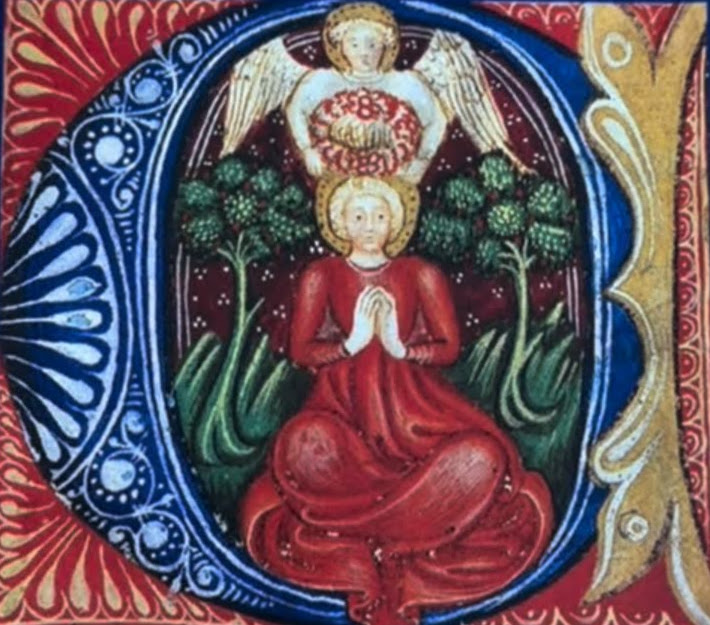
Rune, the five-strong group specialising in music “from 700 years ago and beyond”, completed a UK tour at their home base of St. Bartholomew the Great in London’s Smithfield, one of the finest medieval buildings in London, where they are Medieval Ensemble in Residence. Their concert was based on four stories of miracles, each illustrated by sequences of music, sacred and secular, ranging from 12th century Occitan Troubadour songs to the 15th century polyphony of Machaut, with birdsong-related and Marian music in between. The four stories were narrated by the members of the group, to the varying degrees of comprehension allowed by the microphone and loudspeaker situation.
Continue reading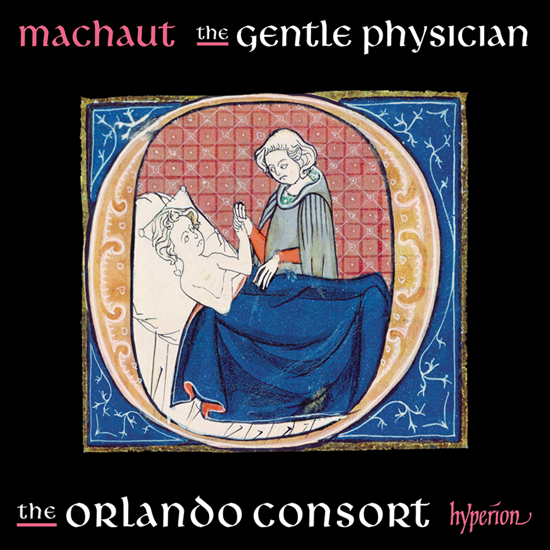
 This is the third of The Orlando Consort’s recordings of Machaut’s secular songs, following on from their ‘Songs of Le Voir Dit’ and ‘The Dart of Love’ CDs. Music like this can be appreciated at many different levels, and perhaps one of the most satisfactory (unless your mediaeval French is up to scratch) is to ignore the programme notes or translations of the text, turn the lighting down and just let the music wash over and through you. Although it might appear disrespectful to the enormous amount of research that has to go into producing a recording like, it really does work as a musical experience.
