JS Bach: Solo Cantatas for Bass
David Greco, Luthers Bach Ensemble, Tyman Jan Bronda
Brilliant Classics 95942. 49’36
Cantata BWV 82: Ich habe genug
Cantata BWV 158: Der Friede sei mit dir
Cantata BWV 56: Ich will den Kreuzstab gerne tragen
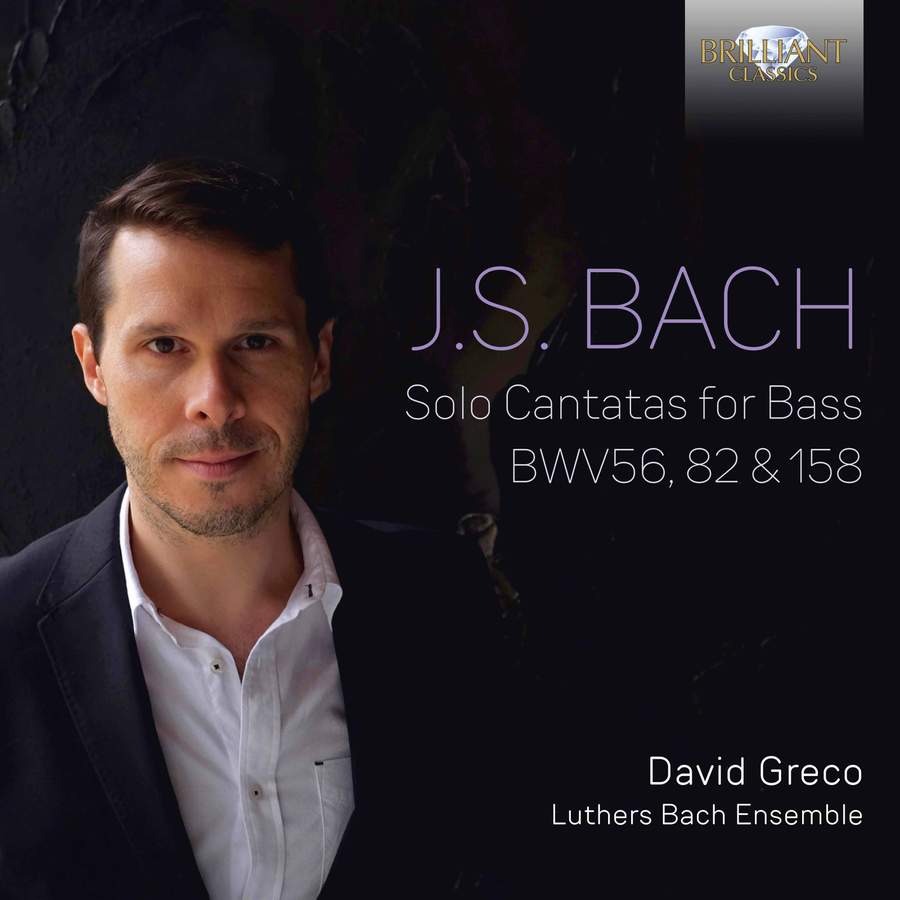
These three cantatas for bass voice explore the Lutheran concept of a longing for death, relief from the torments of life, and a reuniting of the soul with God with an inevitable focus is on lamentation and consolation. They all date from the first decade of Bach’s time as Kapellmeister in Leipzig and are some of the most beautiful of all Bach’s cantatas. This example comes from the Australian baritone David Greco and the Luthers Bach Ensemble, directed by Tyman Jan Bronda. Continue reading

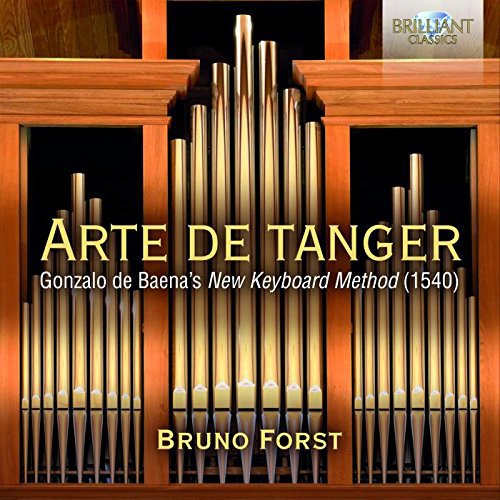


 Nicolaus Bruhns (1665-1697) is one of the most important organist/composers of the North German 17th century Baroque: that extraordinary outpouring of music that over the whole century developed and honed a distinctive style that the likes of Handel and Bach carried forward into the 18th century. The favourite pupil of the famed Lübeck organist, Dietrich Buxtehude, Bruhns came from a family of musicians. He came from Husem, then part of Denmark, but his family had strong musical connections with Lübeck. After a time in Copenhagen, Bruhns returned to Husem as city organist, where he remained until his untimely death, aged just 31.
 Domenico Zipoli is often seen as a rather insubstantial composer compared to his contemporaries, his surviving organ pieces being generally short and sometimes rather light pieces intended for use in the Catholic service. Although his harpsichord suites were not constrained by such circumstances, they are also attractive, rather than emotionally intense, works. This double CD, one each devoted to organ and harpsichord, present his complete keyboard works and might help to put Zipoli in a better light. They were published in two volumes of Zipoli’s 1716 Sonata d’intavolatura per organo e cimbalo while he was organist of the Jesuit church in Rome. Shortly afterwards, he moved to Seville en route to Paraguary but, after an eventful voyage, ended up in
  Telemann taught himself to play the recorder, violin and zither before the age of 10, and continued to practice the recorder well into his teens – something very few youngsters do today. He seems to have retained a love for the recorder, judging by the number of pieces he wrote for it, including these Suites and Concertos. Incidentally, the two Suites are both titled Ouverture in their manuscripts, and are examples of Telemann’s so-called concert en ouverture style of composition, which combines elements of the traditional suite with the overture. Apart from the E-flat suite (which is intended for the flute pastorelle, which perhaps means the panpipes), all the music is from the same manuscript surviving in the Hesse Court library in Darmstadt, suggesting that they were composed for Michael Böhm, Telemann’s brother-in-law and a virtuoso woodwind player. They are all written for alto recorder.
 Andrew Benson-Wilson : Early Music Reviews +