
The Edward Lewis viol of 1703
Henrik Persson
Barn Cottage Recordings BCR028. 72’44

Hely Suite in A minor; Suite in A major
Brown Three Ayres
Telemann Fantasia no. 6 in G major; Fantasia no. 7 in G minor
Sumarte Prelude and Daphne, Monsieur’s Almain, Lachryme; Fortune my Foe
Anon Dances from the Williamsburg Musick Song Book
Anon Suite in D major from the Brünner MS
Hume Good Againe
A companion recording to Newe Vialles Old Viols, reviewed here, focuses on the 1703 Edward Lewis bass viol, played by Henrick Persson. The music is by Benjamin Hely, Thomas Brown, Telemann, Richard Sumarte and Tobias Hume, together with dances from the Williamsburg Musick Song Book of 1738 (the only known compositions for viola da gamba from an 18th-century American source) and traces the development of solo viol music from Hume up to the time of Telemann. There are 14 bass viols by Edward Lewis known to have survived to the present day, of which only seven are in performance condition. The one used on this recording is the only playable one in the UK, owned by the viol maker, Jane Julier, who loaned the instrument. The sound is absolutely gorgeous, with rich and resonant harmonics, here helped by a generous acoustic.








 The annual
  Recorded in 2003, this is presumably a reissue, although I couldn’t anything to confirm that. It is not listed on il Gardellino’s website. Matthessohn seems to have been one of the first to wonder how Telemann managed to compose so much music. This, and the dominance of Bach in the revival of German baroque music, has always been a bit of a problem. The opening Concerto in this CD helps by including several moments that many listeners might recognise. Matthessohn also commented that “Telemann alone is beyond all praise and lauds”, and this CD demonstrates the exceptional quality of his music. Both technically and musically, his compositional skill is self evidence, as is the breadth of his creative imagination.
 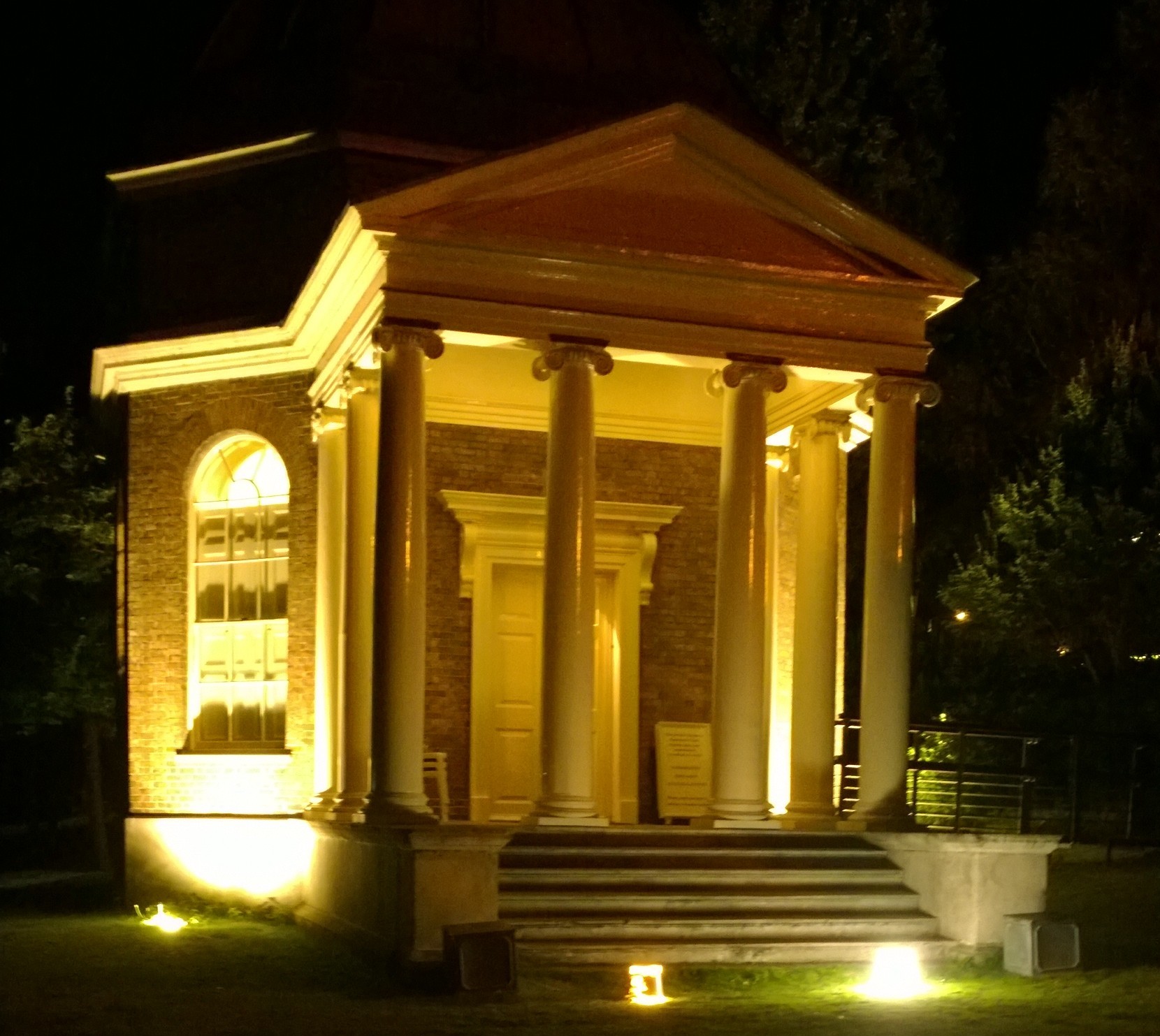 One of the most delightful of London’s music venues is Garrick’s Temple to Shakespeare
 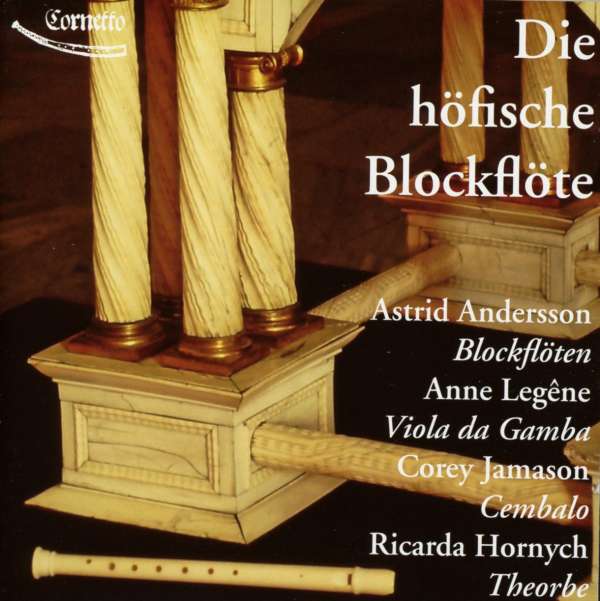 Using modern copies of seven different types of historic recorder (blockflöte), Die höfische Blockflöte (The Royal Recorder) explores the link between musical instrument making and the various royal courts of Europe. The recorders range from two different versions of the two mid-17th century Rosenborg soprano recorders, one made in maple, the other (at higher pitch) in the original material, narwhale tusk, both made by Fred Morgan. The originals are to be found amongst the Crown Jewels in the Royal Collection in Rosenborg Castle, Copenhagen. It can bee heard in Jacob Van Eyck’s Prins Robberts Masco.
  Jean-Christophe Dijoux was the winner of the harpsichord category of the 2014 Leipzig International Bach Competition, and this CD stems from that success. Born in Réunion, Dijoux studied in Paris, Freiburg and Basel, spent a year touring with the European Union Baroque Orchestra (EUBO), and won awards for continuo playing at the 2013 International Telemann Competition. Using two harpsichords (built by Matthias Kramer of Berlin after 1701 and 1754 originals) and four different temperaments, he explores music with a connection to Hamburg. Both instruments have 16’ stops, adding an impressive gravitas to the sound.
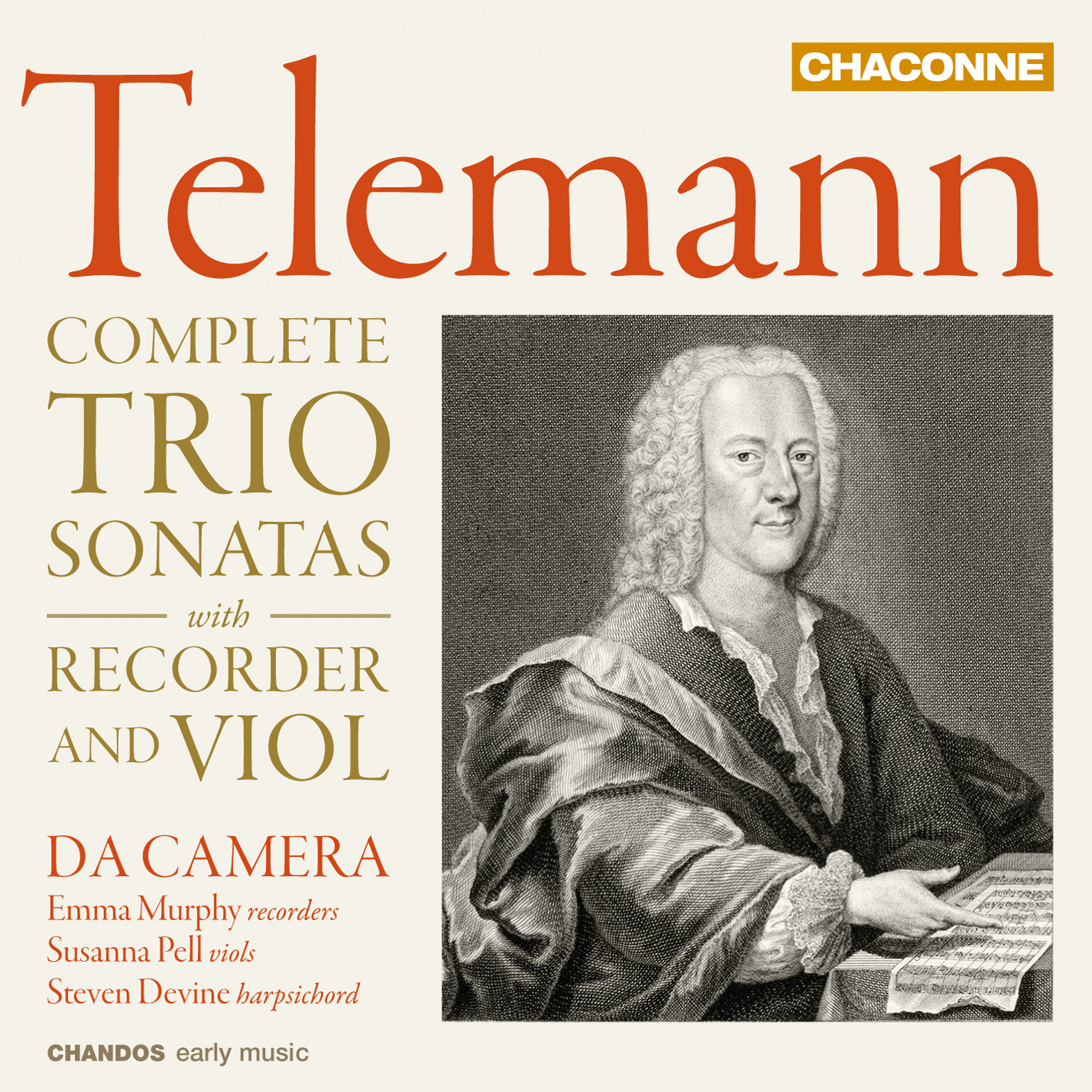
 Telemann taught himself to play the recorder, violin and zither before the age of 10, and continued to practice the recorder well into his teens – something very few youngsters do today. He seems to have retained a love for the recorder, judging by the number of pieces he wrote for it, including these Suites and Concertos. Incidentally, the two Suites are both titled Ouverture in their manuscripts, and are examples of Telemann’s so-called concert en ouverture style of composition, which combines elements of the traditional suite with the overture. Apart from the E-flat suite (which is intended for the flute pastorelle, which perhaps means the panpipes), all the music is from the same manuscript surviving in the Hesse Court library in Darmstadt, suggesting that they were composed for Michael Böhm, Telemann’s brother-in-law and a virtuoso woodwind player. They are all written for alto recorder.
 One of the musical traditions of German Lutheran church music was the sacred cantata or motet addressed directly to God, often in a conversational style, with a response to the plea coming either from God or, more frequently, from Jesus or other believers. This CD explores several examples of this genre, with a focus on the composer Andreas Hammerschmidt, given an overdue bit of exposure. Although he was well known in his day, and composed more than 400 works, his music is not often performed today. It is in a relatively simple style, in comparison with his contemporaries, and shows the gradual development of a true German Baroque style, built on the influence of Italian models. Five of his vocal works are included here, together with an instrumental Pavane.
  Andrew Benson-Wilson : Early Music Reviews +