Rhythm Across Time
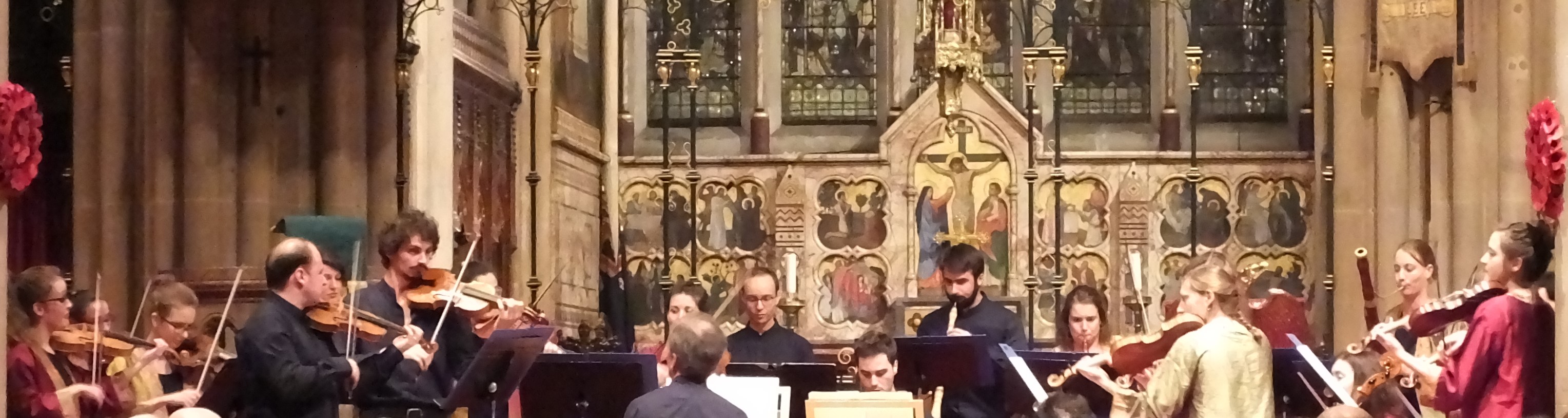
Academy of Ancient Music, Wave Quartet, Bojan Čičić
Milton Court, 14 May 2026
Bertali: Ciaccona in C major
Geminiani: Concerto Grosso No 12 ‘La Folia’, after Corelli Op 5
Handel: Chaconne in G major HWV 435
Bach: Concerto in A minor BWV 1065 (arr for marimbas and strings)
Piazzolla: Concerto ‘Aconcagua’: Moderato, Presto
Festa: Variations on ‘La Spagna’ – Contrapunto 46, 88, 77 and 108
Bach: Harpsichord Concerto in C major BWV 1061 (arr for marimbas and strings)
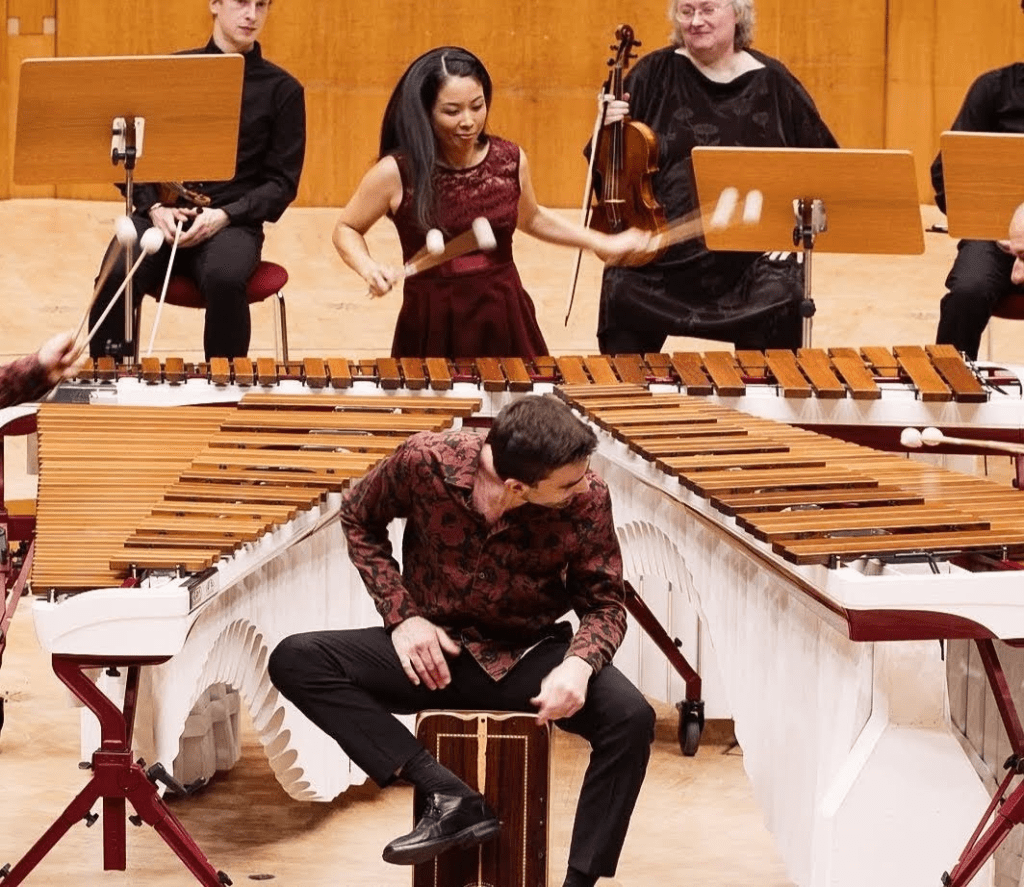
The Academy of Ancient Music (AAM) continued its innovative sequence of concerts during its 2015/16 Cambridge and London season, a collaboration with the Wave Quartet of four marimba players, based in Vienna. In their pre-concert talk, mention was made of a shared Austro-Hungarian Empire heritage between the Croatian AAM director Bojan Čičić and the Romanian founder of Wave, Bogdan Bacanu, although the fact that the Dual Monarchy ended in 1918 suggests that the cultural link was perhaps not so strong. It could be argued that the same applied to this concert, where, I suggest, there were several cultural clashes. The catalyst for this concert was a similar combined event in 2019, also in Milton Court.
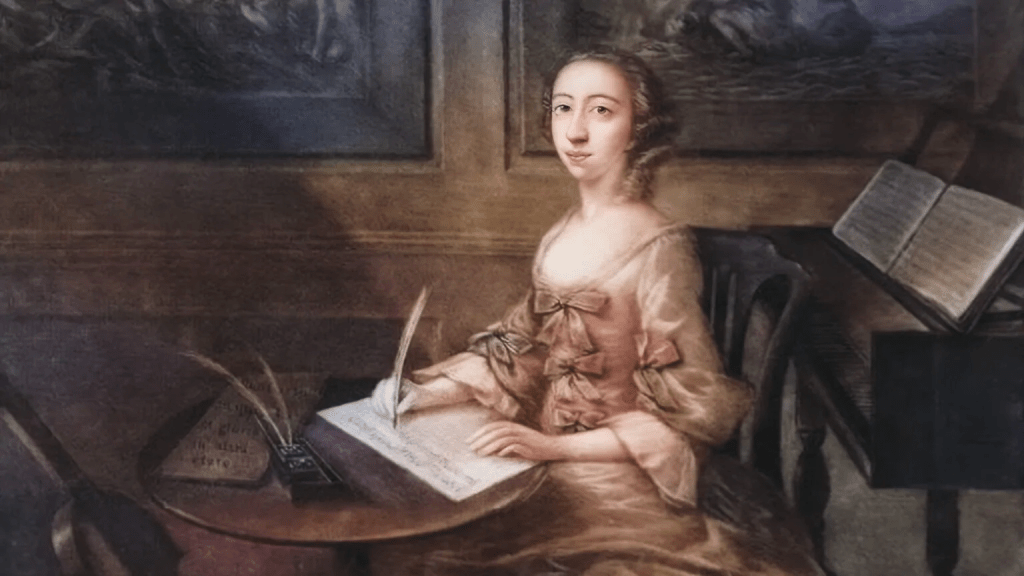





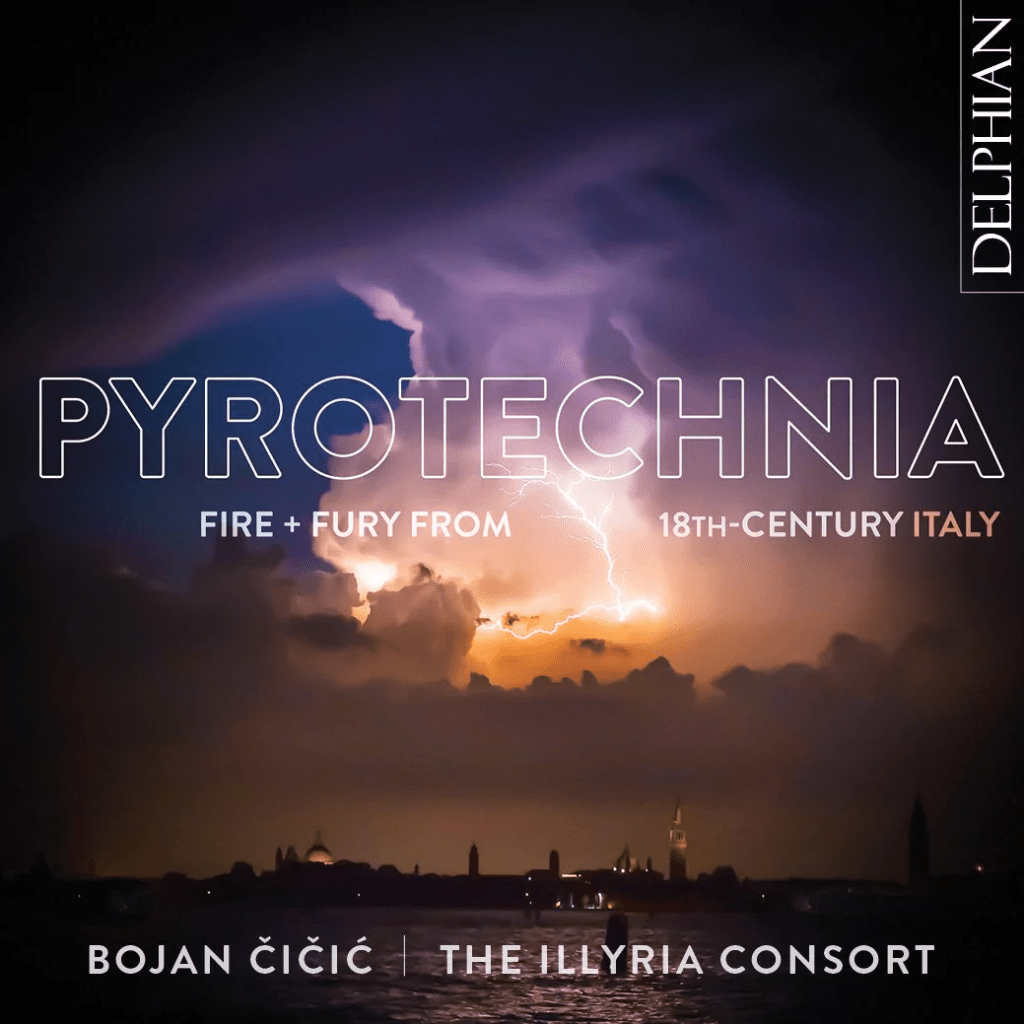




 For a British musician, now is a very good time to be reminded of the extraordinary contribution that immigrant musicians have made to our musical history, from at least the early 1500s. This CD reflects that in at least two ways. Giovanni Stefano Carbonelli was born in Liverno in 1694. Although supposition that he studied with Corelli seems ill-founded, he certainly absorbed and developed Corelli’s style. He moved to England in, or just before 1719, possibly at the invitation of John Manners (then Marquess of Granby, and soon to become the 3rd Duke of Rutland), who was to be his only known patron in England. Almost immediately on his arrival Carbonelli became leader of the Drury Lane Theatre orchestra, a post which also involved performing concertos and sonatas. In 1735, like many of his fellow Italian immigrant musicians, he anglicised his name, in his case to John Stephen Carbonell.
 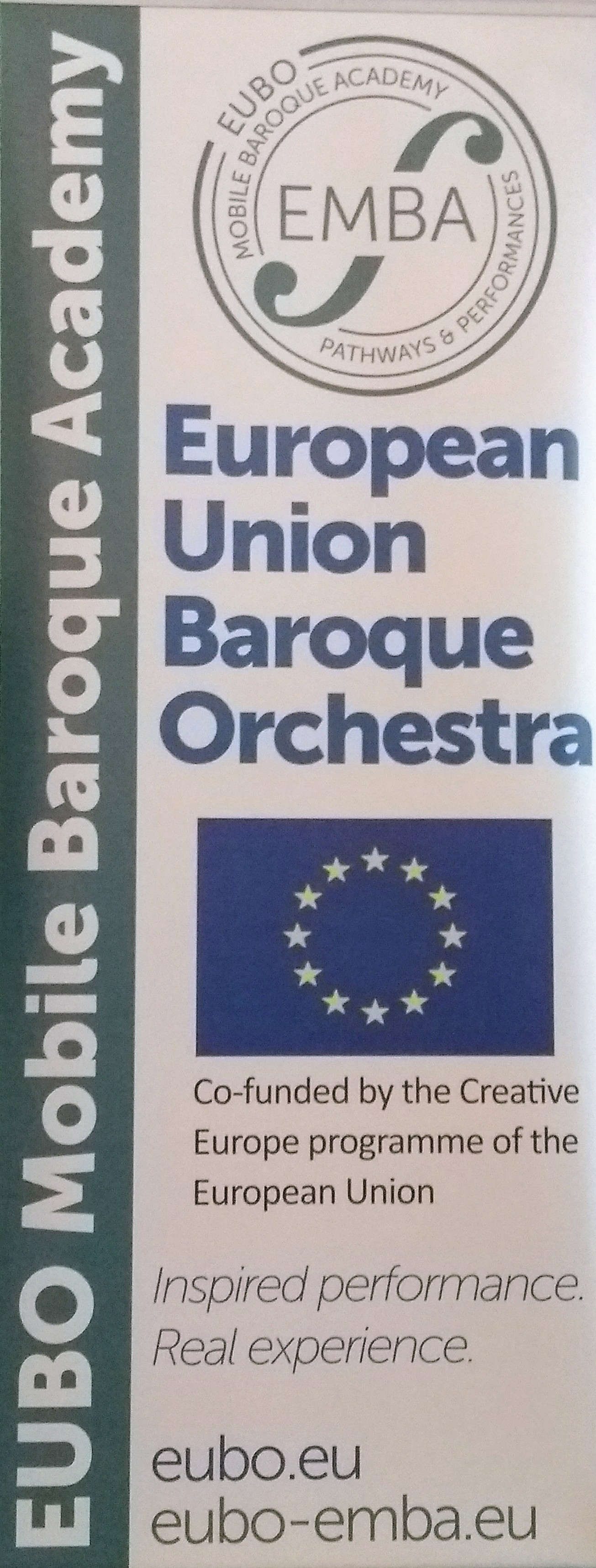 One of the key events of the London Festival of Baroque Music was final concert of the current incarnation of the European Union Baroque Orchestra, and orchestra I have been reviewing enthusiastically for many years. After extensive annual training auditions attracting around 100 applicants, aided by leading period performers, around 30 instrumentalists are selected each year to tour a series of concerts around Europe. But this concert was also, very sadly, the very last EUBO concert in its present state as a UK-managed organisation. Founded 32 years ago as a UK initiative (during the 1985 European Music Year), and managed ever since from its base near Oxford, the vote by a small percentage of the UK population to drag the UK out of the European Union means that it is no longer viable to run an EU venture from the UK. In its 32 years, EUBO has encouraged and nurtured around 1000 young musicians, giving some of the finest period instrumentalists around an early grounding in performance practice at the start of their careers. For the future, after a hiatus of a year to allow for the transfer, when there will be no auditions or orchestra , EUBO will restart from a new base, and with new management, based in the music centre AMUZ in Antwerp.