Mozart’s World: The Last Symphonies (1788)
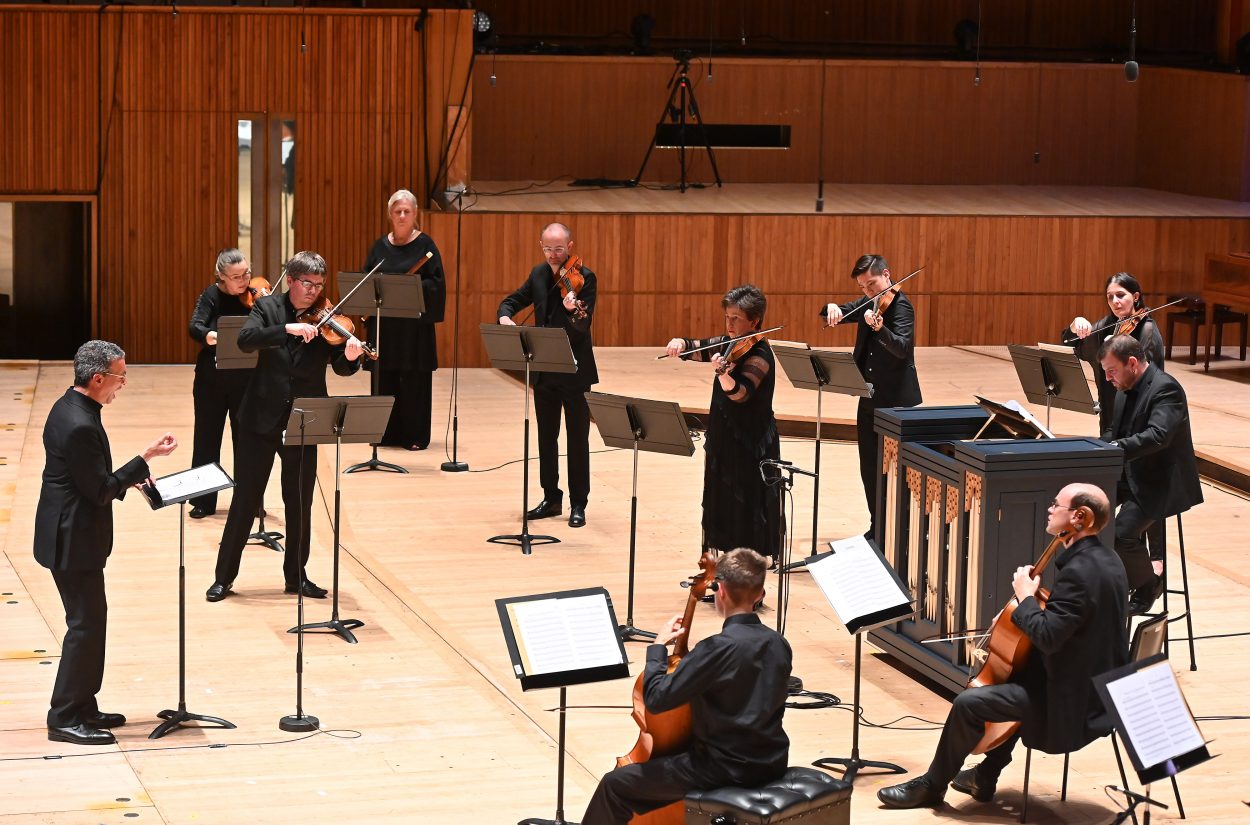
Orchestra of the Age of Enlightenment, Robin Ticciati
The Anvil, Basingstoke. 25 February 2026
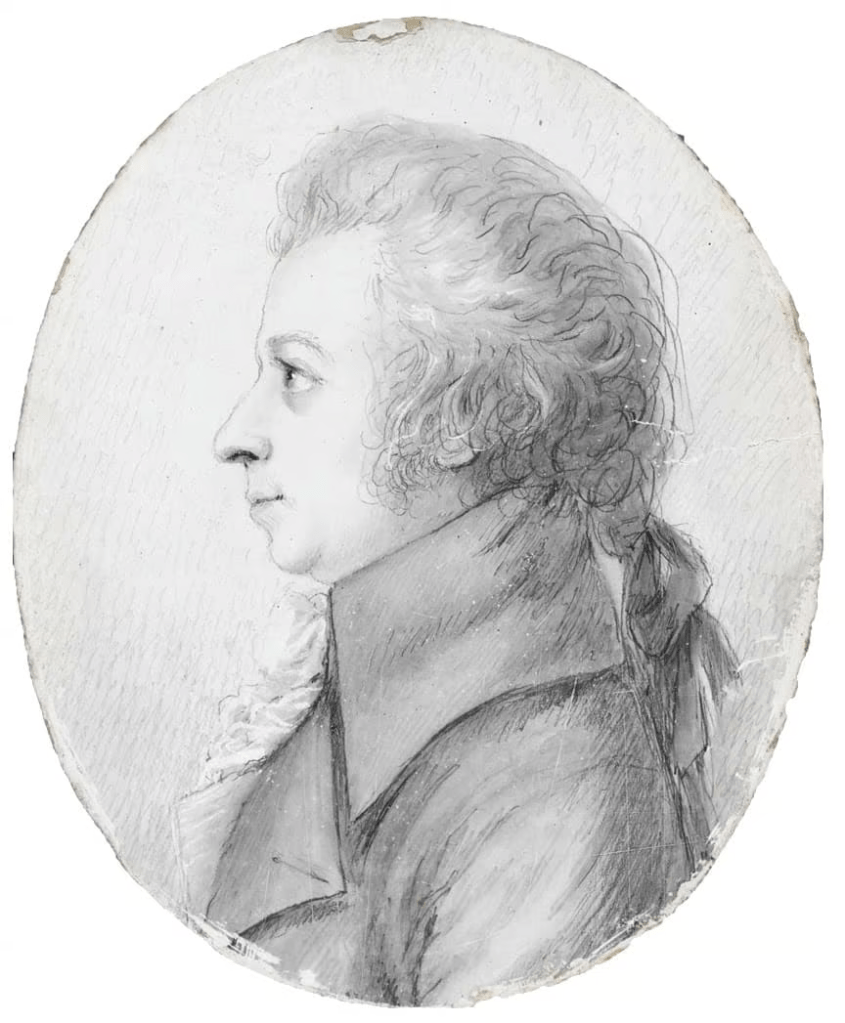
The final few years of a composer’s life can often be a time of reflection, a re-evaluing of a lifetime’s work and, often, a burst of new compositions or revision of earlier works. However, with Mozart, it appears that his final years were not as well-planned. Did he realise that the 1788 Symphonies 39, 40 and 41 would be his last? How would we view them if they turned out to be the culmination of what might be called Mozart’s “middle period”? Would they have achieved the status they now have?







 Edward Armitage: The Remorse of Judas, 1866. Tate Britain
 In sharp contrast to the situation in, of all places, the Musicians’ Church, Heath Street Baptist Church in Hamstead is one of many London churches that have actively embraced music and musicians, running a regular series of lunchtime concerts as well as occasional musical festivals, the latter recently under the title of Baroquestock in food-related weekend festivals. Their latest Baroquestock weekend includes concerts by Spiritato and Istante Classical, the latter including Haydn’s La Poule Symphony to the accompaniment of BBQ chicken. Their opening event was a performance of Schoenberg’s Verklärte Nacht, to the culinary accompaniment of, you’ve guessed – Schoenbergers!
  Andrew Benson-Wilson : Early Music Reviews +