
Mandolin on Stage
The Greatest Mandolin Concertos
Raffaele La Ragione
Il Pomo d’Oro, Francesco Corti
Outhere/Arcana A524. 66’56

Antonio Vivaldi (1678-1741): Mandolin Concerto in C Major RV 425
Baldassarre Galuppi (1706-1785): Sinfonia: from Il mondo alla roversa,
Giovanni Paisiello (1740-1816): Mandolin Concerto in E-Flat Major; Sinfonia in B flat
Francesco Lecce (1750-1806): Mandolin Concerto in G Major
Franz Joseph Haydn (1732-1809): Sinfonia in D Major Hob.I:106
Johann Nepomuk Hummel (1778-1837): Mandolin Concerto in G Major
The Vivaldi Mandolin Concerto that opens this disk from Raffaele La Ragione and Il Pomo d’Oro will be well known to many people, but the other three lesser-known concertos are well worth getting to know. Using three different mandolins appropriate to each period, this recreation of the evocative sound world of this comparatively rare instrument covers the period from Vivaldi around 1700 to Hummel in 1799 via the Neapolitan composers Giovanni Paisiello and Francesco Lecce. The four concertos are interspersed with brief opera Sinfonias by Galuppi, Haydn, and Paisiello.

:format(jpeg):mode_rgb():quality(90)/discogs-images/R-10770958-1504470138-7746.jpeg.jpg)
:format(jpeg):mode_rgb():quality(90)/discogs-images/R-10763336-1503872175-3345.jpeg.jpg)




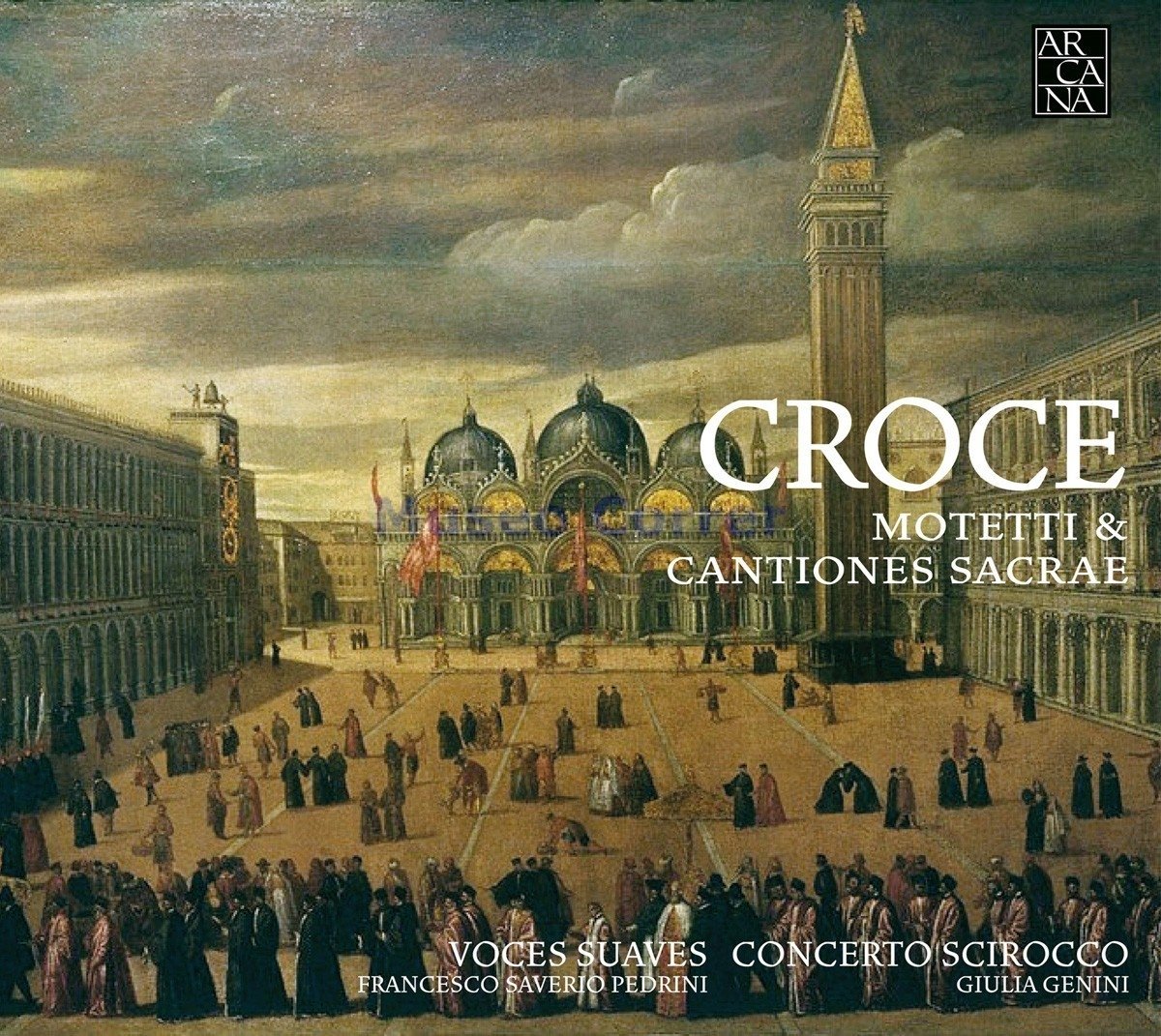


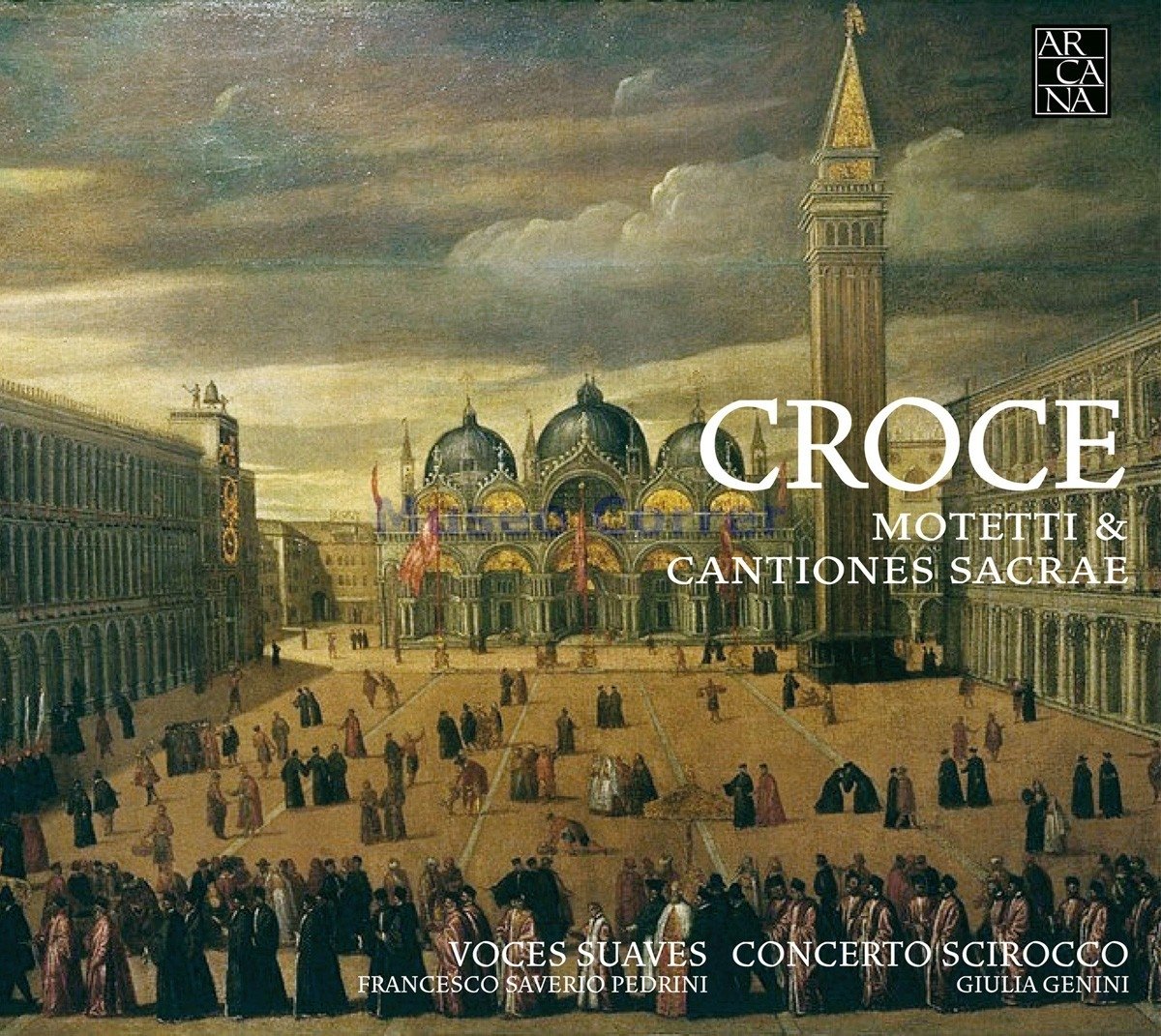
 Giulio Caccini and Jacopo Peri were musical assistants to Emilio de’ Cavalieri for the famed celebrations for the Florentine marriage of Ferdinand de’ Medici and Christine de Lorraine. In the resulting La Pellegrino, they helped to develop a new style of singing, based on earlier concepts of singing in what was thought to be the style of Orpheus. This emphasised the declamatory solo voice in what became known as the stile rappresentativo, accompanied by a simple basso continuo, based on Orfeo’s lyre, here realised by Angélique Mauillon on a triple harp by Somerset luthier Simon Capp, after early 17th century Italian models. This recording explores the later work of the two composers, with an emphasis on the music of Caccini, with 12 examples compared to the five from Peri, together with three instrumental harp interludes by Luzzaschi and Piccinini.
  Andrew Benson-Wilson : Early Music Reviews +