Edinburgh 1742: Barsanti & Handel Parte Seconda
Ensemble Marsyas, Peter Whelan
Colin Scobien, Elizabeth Kenny
Linn CKD 626. 51’51
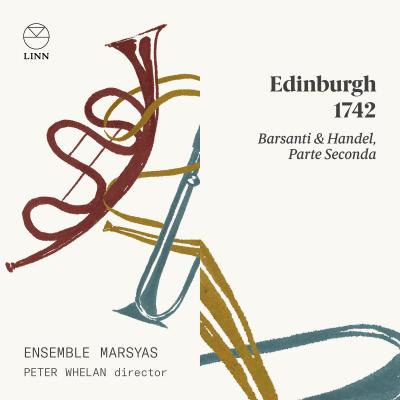
The Italian Francesco Barsanti (c1690-1775) arrived in London in 1723 and moved to Edinburgh in 1735 to join the Edinburgh Musical Society. This is a follow up to the 2017 recording by Ensemble Marsyas, CDK 587 (reviewed here), and completes Barsanti’s set of Op.3 Concerto grossi, together with four pieces from his Collection of Old Scots Tunes, both published in 1742. Barsanti’s connection with Handel is represented by the latter’s Overture to Atalanta, HWV 35, a piece in the possession of the Edinburgh Musical Society.
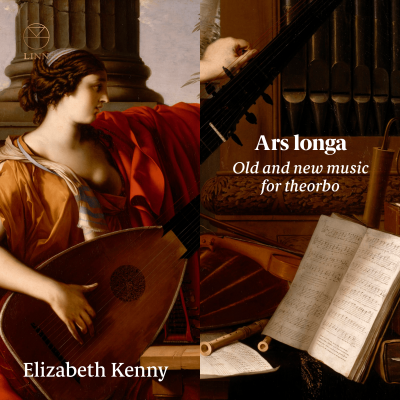
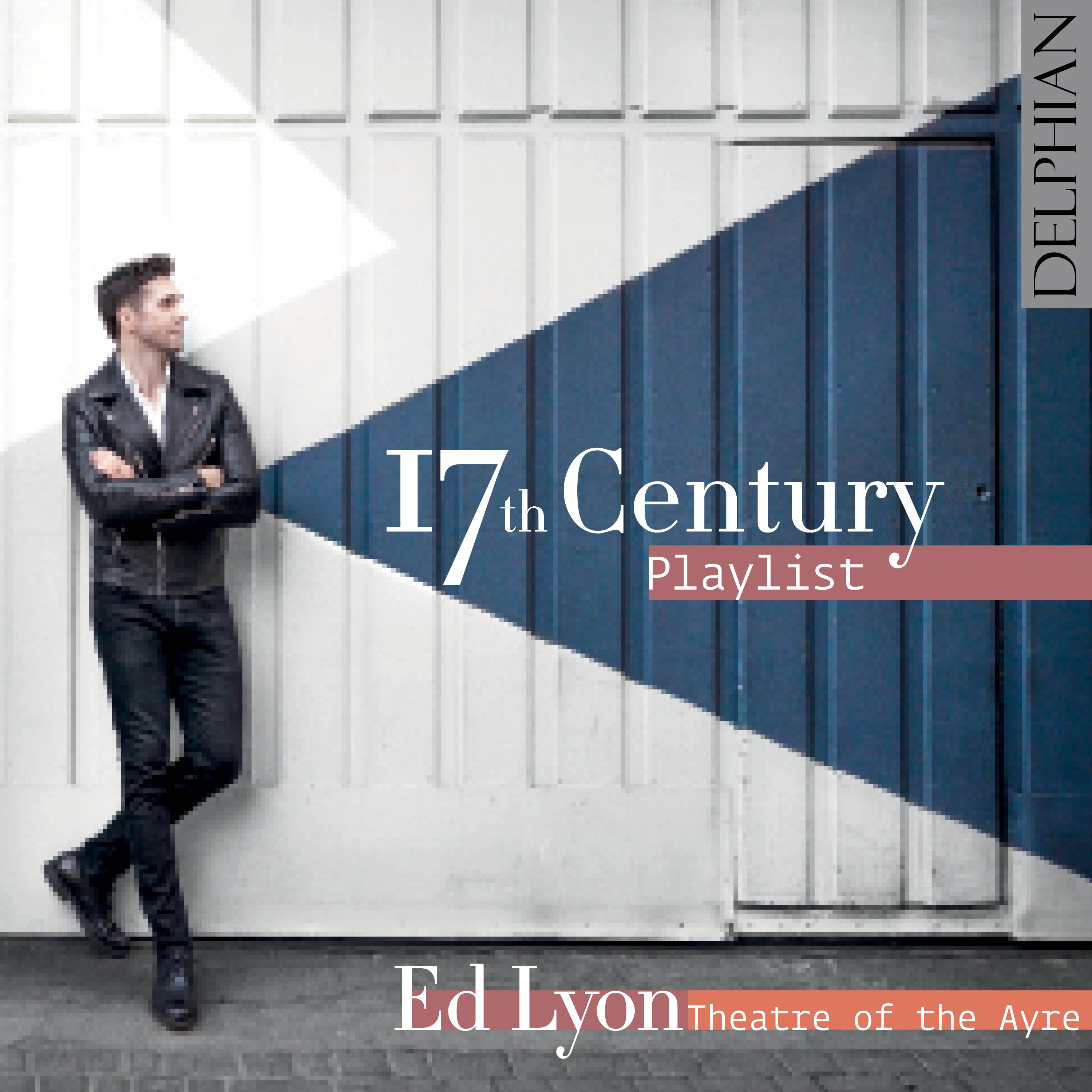


 The Masque was a form of aristocratic entertainment with medieval roots that reached its English peak in the early 17th century during the reigns of James I and Charles I. Closely related to similar continental forms such as the Italian Intermedio, it included music, dance, acting, mime and singing, often to elaborate sets. They were usually based on Classical mythology combined with more than a hint of current political or royal intrigues. As well as professional performers, the promoters or subjects of the masque were often also involved in the production. For many years, Elizabeth Kenny and her group Theatre of the Ayre have studied the genre, and this is their latest manifestation of that research.
  The catchy title of this recording (which quotes a 1688 pamphlet) is based a brief, but curious, incident during the turbulent Tudor times when, in April 1555, it was announced that Queen Mary had given birth to a son. The following day this was revealed to be the 16th century version of fake news. The complex history and importance of this event is beyond the scope of this review, but is easily obtainable and is covered in the detailed CD notes. Curiously, no author is credited for these notes, although I think it was Magnus Williamson, whose ‘insight and guidance’ is a credited elsewhere.
  What a gorgeous CD! As well as Dowland’s famed seven ‘tears’ (lasting around 26’) we also have a balancing succession of dances, many based on Dowland songs. The pieces in the 1604 Lachrimae publication were used by generations of other composers’ in their own versions and variations. Key to viol consort music like this is the balance between the instruments. Unlike some of their concerts, where the treble viol can dominate, here the balance is perfect, not just between the five viols, but also with the delicate tone of the lute, played with superb conviction and musicality by Elizabeth Kenny.
  Andrew Benson-Wilson : Early Music Reviews +