Royal Greenwich International Early Music Festival
Blackheath, 9 November 2017
The grandly monikered Royal Greenwich International Early Music Festival continues its recent flirtation with the more elevated, but not so Royal, Blackheath. Alongside their musical instrument exhibition in Blackheath Halls, a range of concerts and makers’ demonstrations takes place in local churches. I visited on the first day of the weekend festival, starting with a new innovation for the festival: Performance Platforms. These were held in a tiny Quaker Meeting House, too small to accommodate the audience, and with extremely unhelpful acoustics for performers and audience. My invitation to review described these afternoon events as “a platform for predominantly younger musicians to showcase their ability to a discerning audience”. I can’t comment on the audience, but the first of the two events certainly fitted the younger musicians descriptions.
Performers Platform: Purcell School Baroque Ensemble
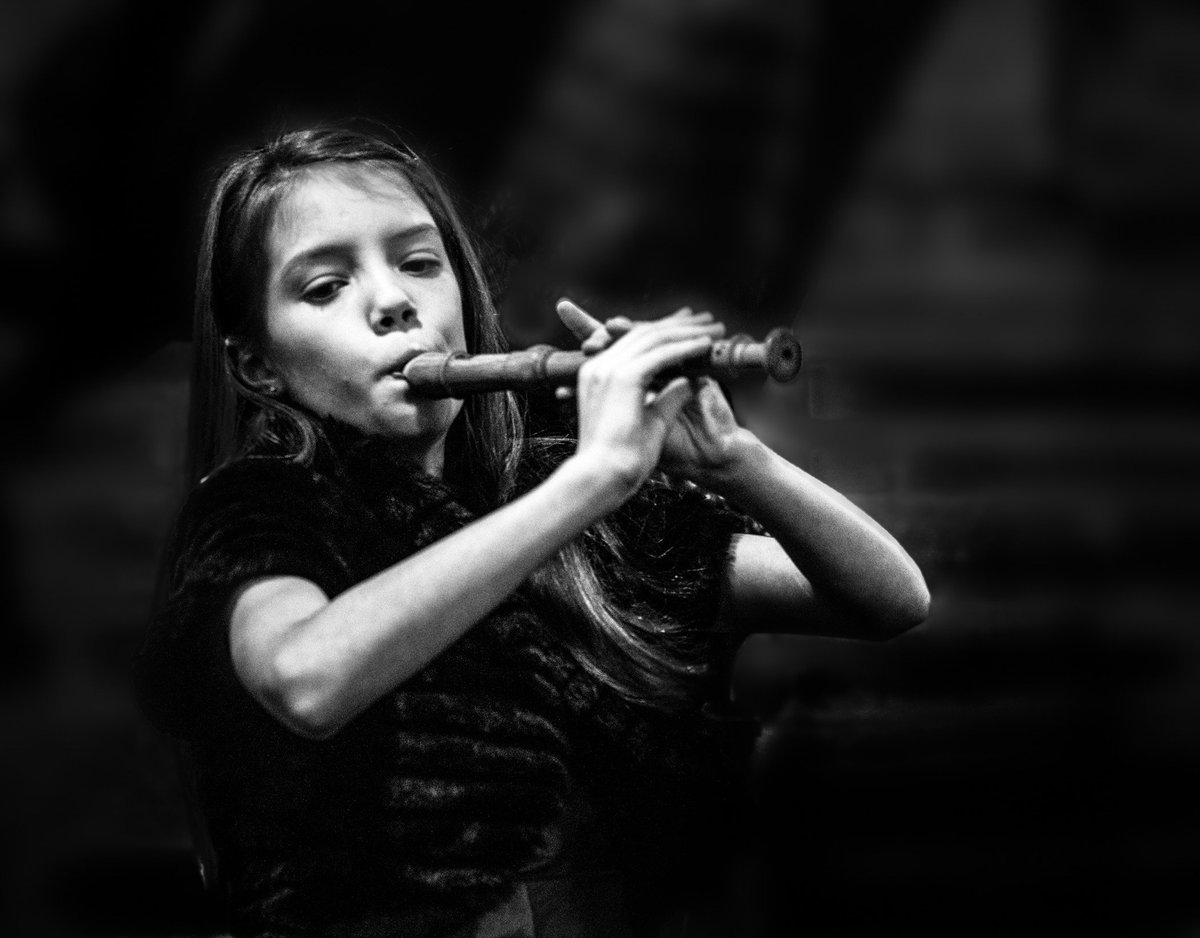
The Purcell School is one of the principal specialist music schools in the UK. Located in Bushey, it caters for day and residential pupils from the age of 9 to 18 and nurtures some very talented young musicians, as was evident in this short concert. They opened, appropriately, with Purcell and three extracts from Abdelazer, including the Rondeau that Britten made famous. Their guest leader encouraged a rather inappropriate focus on gusto and power, rather than musical sensitivity and delicacy. To balance that, there followed a fine demonstration of musical sensitivity, and the outstanding talent of these fledgeling musicians, with Eliza Haskins’ outstanding performance of two movements of Vivaldi’s Concerto for recorder (RV 442). Eliza Haskins demonstrated a clear understanding of Baroque ornamentation in the Largo and real virtuosity (and an impressive grasp of articulation) in the Allegro Molto. I also liked the way she interacted with her fellow instrumentalists, making her interpretive intentions clear. Unfortunately, the programme note only included the first part of her name, so the audience will not be able to follow what is likely to be a promising future career. A tiny video clip of Eliza Haskins (pictured) playing the Vivaldi can be found here.
Continue reading →

 Andrew Benson-Wilson : Early Music Reviews +