Mullova plays Mozart
Mozart 250: 1775
The Mozartists
Viktoria Mullova, Ian Page
Cadogan Hall. 4 November 2025
Haydn: Symphony No. 68 in B flat major
Mozart: Violin Concerto No.3 in G major, K.216
CPE Bach: Symphony in D major, Wq.183/1
Mozart: Violin Concerto No.4 in D major, K.218
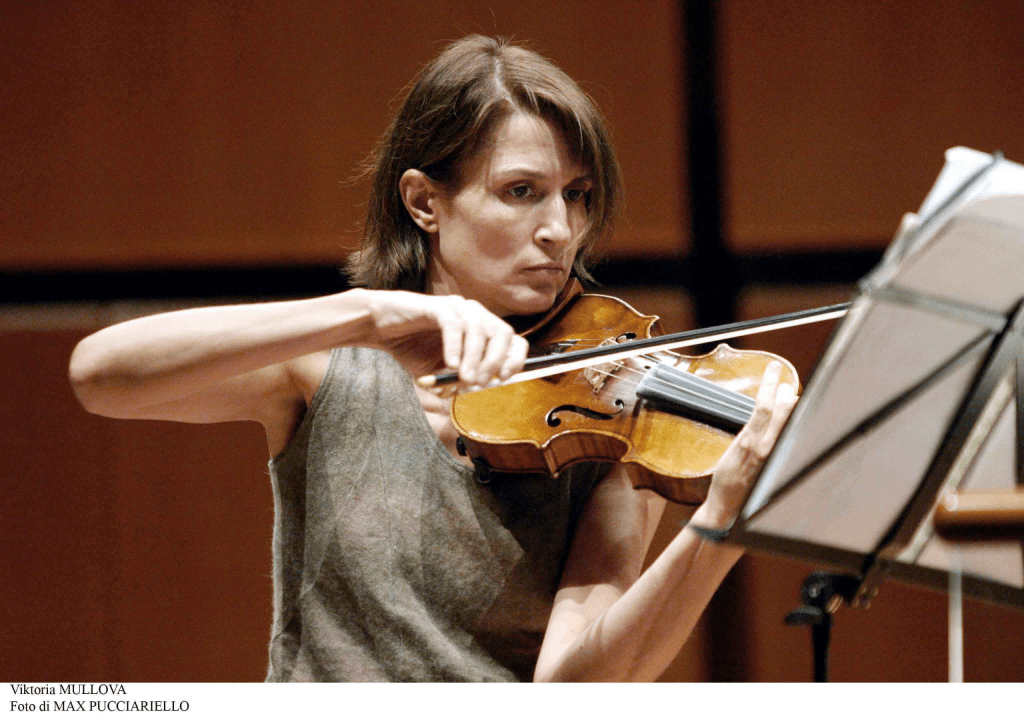
The Mozartists‘ enterprising MOZART 250 project has reached its 10th anniversary, with concerts this season focusing on the year 1775, when Mozart turned 19. The project started in 2015 on the 250th anniversary of Mozart’s childhood visit to London and follows Mozart’s musical life and that of his contemporaries year by year until the 250th anniversary of his death in 2041. It has been described as a “journey of a lifetime”, and will probably outlive many members of current classical music concert audiences. Following their Wigmore Hall concert in June (reviewed here), when Rachel Podger played two (2 & 5) of Mozart’s five violin concertos, this concert in the larger Cadogan Hall featured the other two concertos composed during 1775 (3 & 4) performed by Viktoria Mullova, making her debut with The Mozartists.


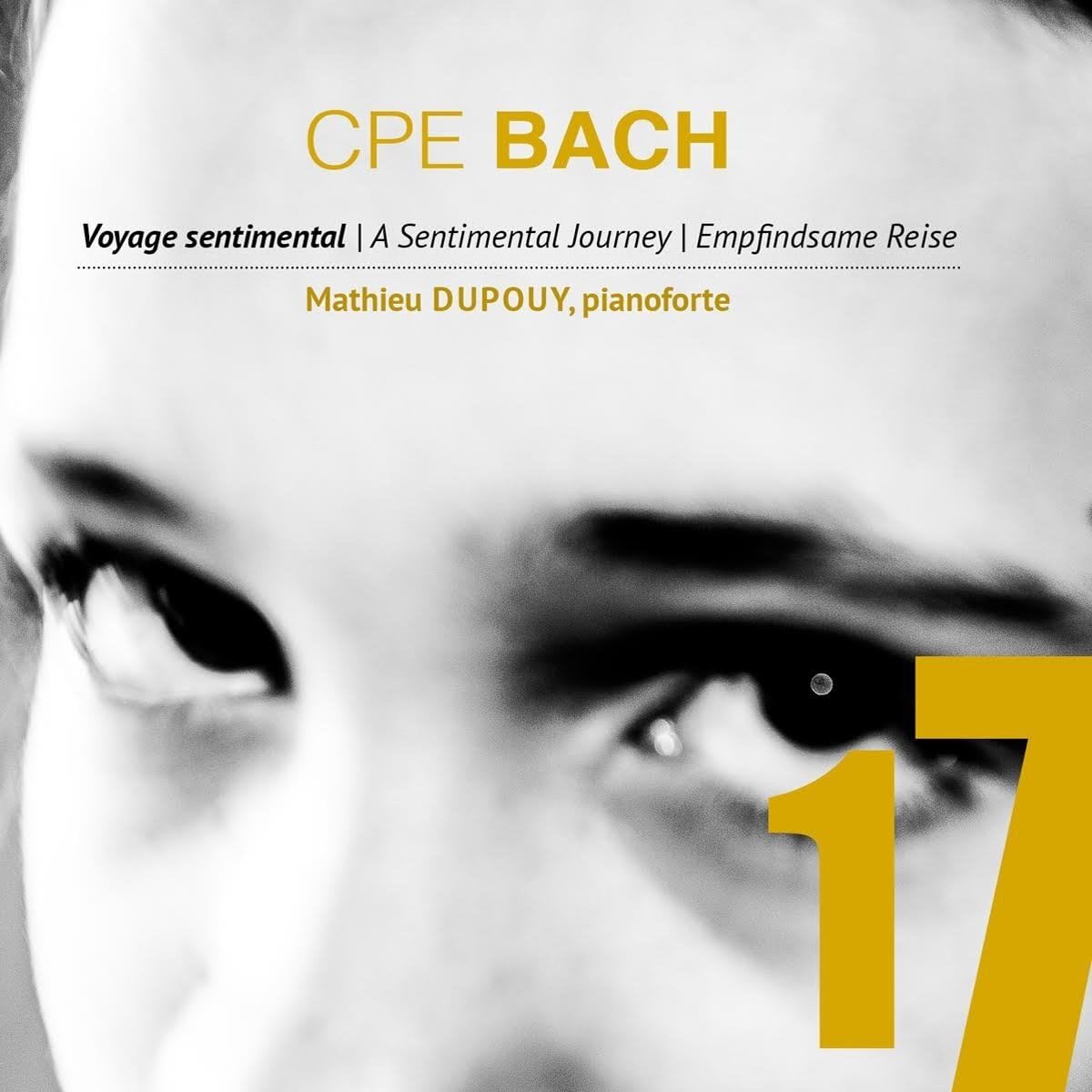
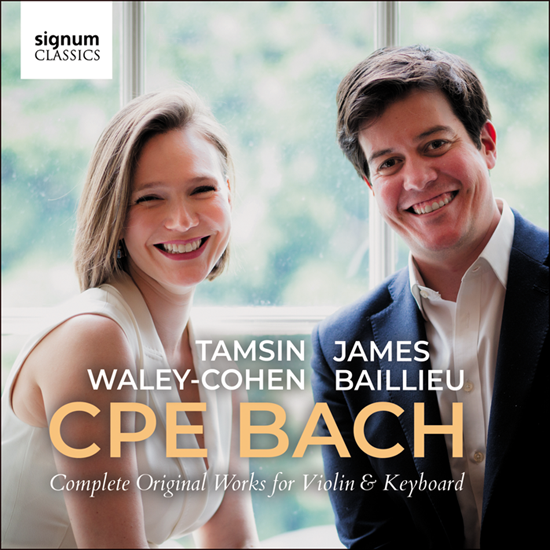
 Russian pianist Alexei Lubimov concentres his performances and recordings on new music and music from the Baroque era performed on period instruments. This CD presents CPE Bach’s fantasies, sonatas and rondos played on the little-known tangent piano, usually referred to in German-speaking countries as the Pantaleon, Spattisches Klavier or Tangentenflügel. It enjoyed a brief moment of glory in the 18th century as a gap between the harpsichord and clavichord and the forthcoming fortepiano. Rather like the clavichord, its strings are struck from underneath by wood or metal tangents. Unlike the clavichord, where the note continues to sound while the tangent is in contact with the string, the tangent piano has an escarpment action similar to that of a fortepiano which allows the string to freely vibrate. It has a similar extent and control of expressiveness to the clavichord but is capable of much greater volume and intensity. It makes a gloriously twangy sound. There are a few original instruments still in existence, but this recording uses a modern replica, by Chris Maene of Belgium, of a 1794 Späth and Schmahl tangent piano from Regensburg.
 Andrew Benson-Wilson : Early Music Reviews +