Gambarini: English Impresaria
Academy of Ancient Music, Bojan Čičić, Mhairi Lawson
Milton Court. 15 March 2026
Handel: Judas Maccabaeus: Overture; Pious orgies; Come, ever-smiling liberty; March. Occasional Oratorio: O liberty. Joseph and his Brethren: Prophetic raptures
Gambarini (arr. Rachel Stroud): Orchestrated music from Op. 1;
Behold and Listen; Se mai fosse la mia forte; Minuet in A major
Geminiani: Concerto Grosso Op.7 No. 6
Tessarini: Ouverture in D major, Op. 4 La Stravaganza; Violin Concerto, Op. 1 No. 7
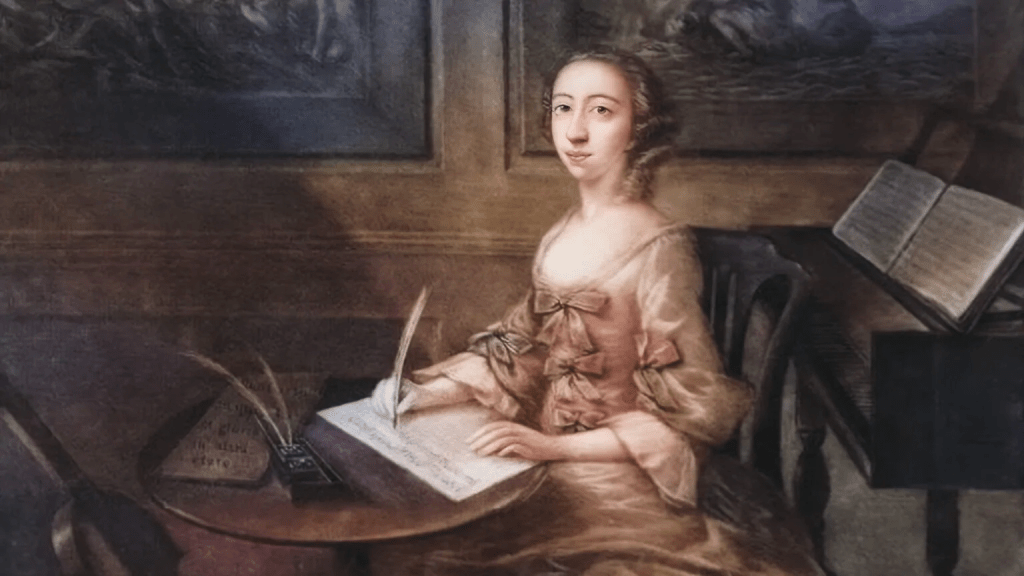
The search for little-known female composers has been the focus of many concerts in recent years, and Elisabetta de Gambarini (1731- 1765) deserves discovery, helped by this concert from the Academy of Ancient Music put together by the AAM’s resident Research Fellow. She was prominent in 18th-century England as a composer, singer, and harpsichordist. Her career started aged just 16 when she sang in Handel’s Occasional Oratorio. That clearly went well, because Handel then selected her for Judas Maccabaeus (as the Israelite Woman) and Joseph and his Brethren and, seemingly, also for Samson and Messiah.




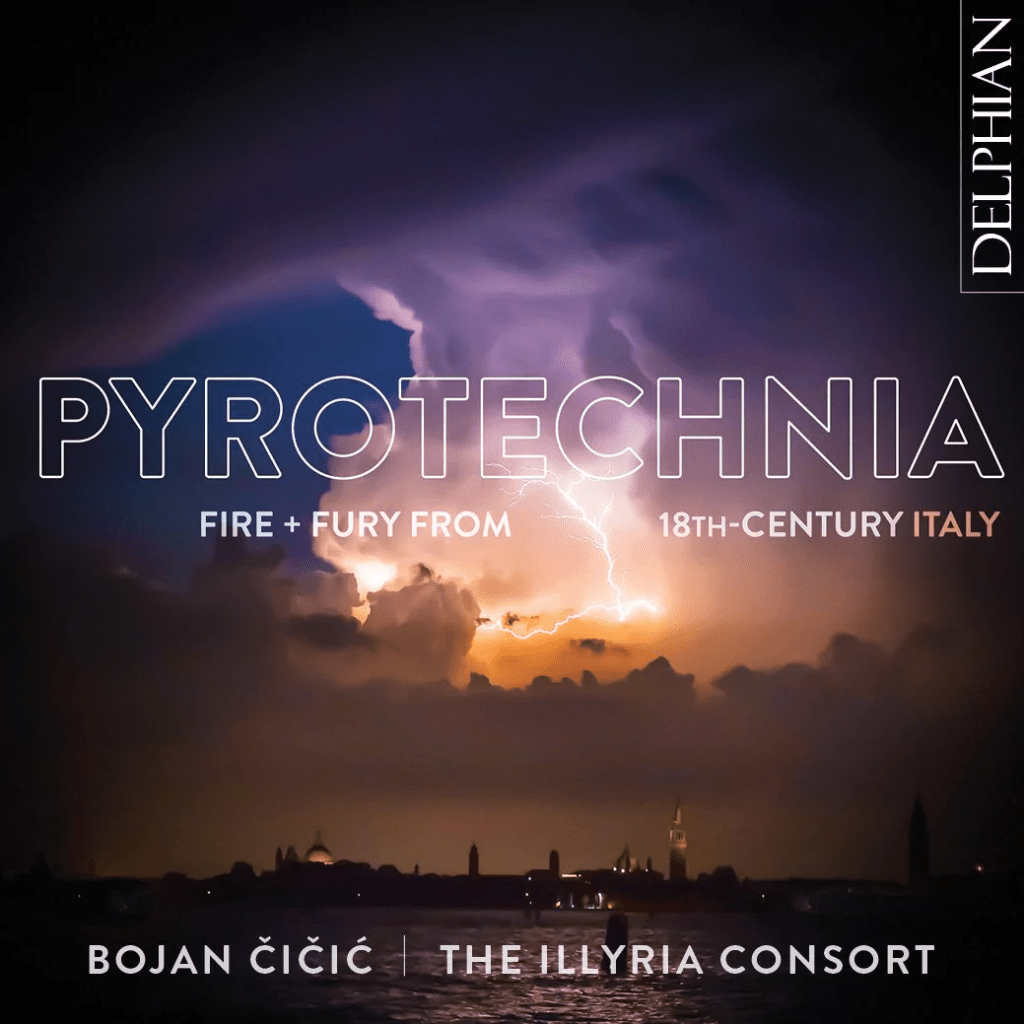




 For a British musician, now is a very good time to be reminded of the extraordinary contribution that immigrant musicians have made to our musical history, from at least the early 1500s. This CD reflects that in at least two ways. Giovanni Stefano Carbonelli was born in Liverno in 1694. Although supposition that he studied with Corelli seems ill-founded, he certainly absorbed and developed Corelli’s style. He moved to England in, or just before 1719, possibly at the invitation of John Manners (then Marquess of Granby, and soon to become the 3rd Duke of Rutland), who was to be his only known patron in England. Almost immediately on his arrival Carbonelli became leader of the Drury Lane Theatre orchestra, a post which also involved performing concertos and sonatas. In 1735, like many of his fellow Italian immigrant musicians, he anglicised his name, in his case to John Stephen Carbonell.
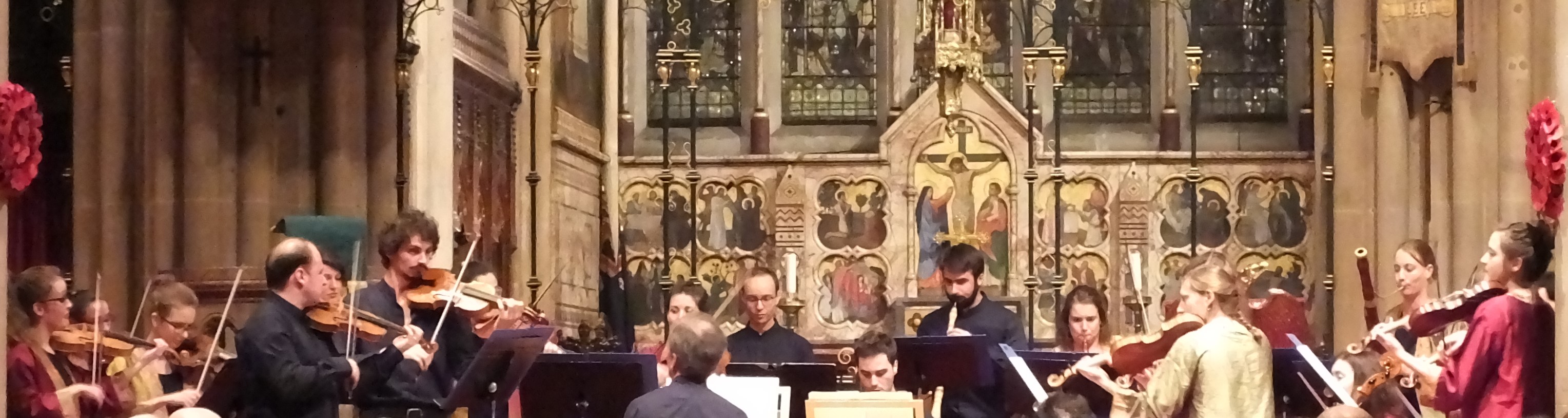
  One of the key events of the London Festival of Baroque Music was final concert of the current incarnation of the European Union Baroque Orchestra, and orchestra I have been reviewing enthusiastically for many years. After extensive annual training auditions attracting around 100 applicants, aided by leading period performers, around 30 instrumentalists are selected each year to tour a series of concerts around Europe. But this concert was also, very sadly, the very last EUBO concert in its present state as a UK-managed organisation. Founded 32 years ago as a UK initiative (during the 1985 European Music Year), and managed ever since from its base near Oxford, the vote by a small percentage of the UK population to drag the UK out of the European Union means that it is no longer viable to run an EU venture from the UK. In its 32 years, EUBO has encouraged and nurtured around 1000 young musicians, giving some of the finest period instrumentalists around an early grounding in performance practice at the start of their careers. For the future, after a hiatus of a year to allow for the transfer, when there will be no auditions or orchestra , EUBO will restart from a new base, and with new management, based in the music centre AMUZ in Antwerp.

 Andrew Benson-Wilson : Early Music Reviews +