Charpentier’s Actéon & Rameau’s Pygmalion
Academy of Ancient Music, Laurence Cummings
Anna Dennis, Rachel Redmond, Katie Bray, Thomas Walker
Milton Court, 9 October 2024
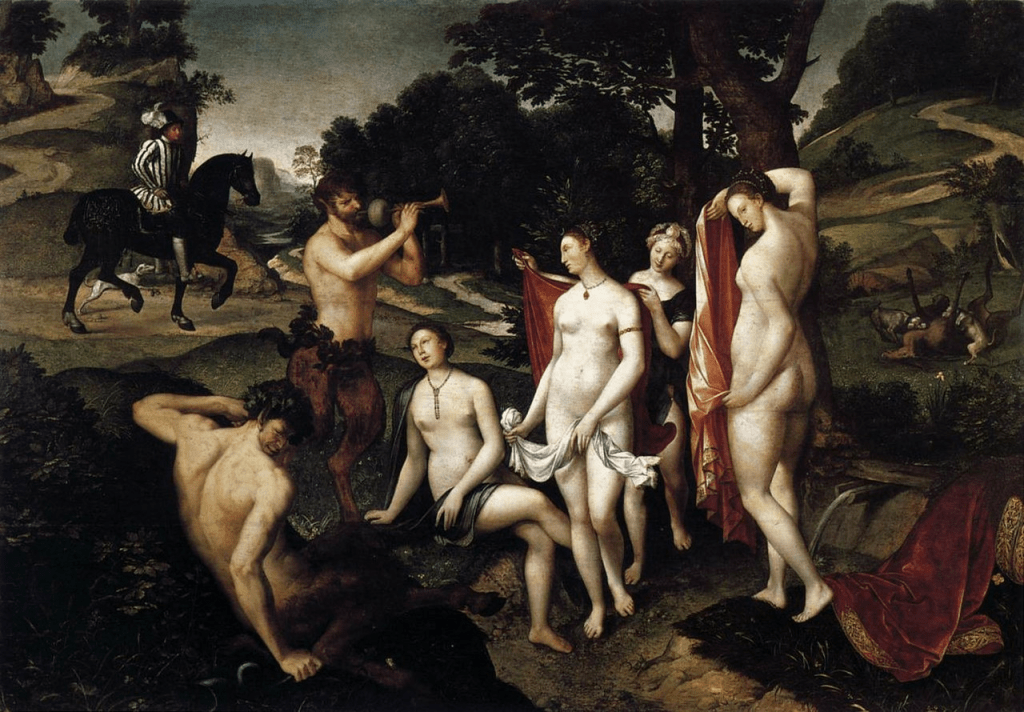
François Clouet: Bath of Diana (1558)
The Academy of Ancient Music opened its 2024/25 season, under the banner of Transformation, with a concert performance double-bill of French Baroque ‘operas’ or, more exactly, a Pastorale en musique and an Acte de ballet – Marc-Antoine Charpentier’s Actéon and Jean-Philippe Rameau’s Pygmalion. I am following those irritating promotional videos that encourage you to stay tuned until the end by urging you to read this review through to the end – this concert ended with one of the most extraordinary examples of musical professionalism and skill from the AAM’s musical director, Laurence Cummings, recently and deservedly appointed as an OBE.


 converted into a small concert room, and there is also a larger lakeside amphitheatre and stage. As well as small-scale professional productions, it has also recently started week-long academies for young opera singers, culminating in public performances. When they invited me to review Rameau’s Hippolyte et Aricie , I was warned that ‘it isn’t Glyndebourne’, but even Glyndebourne singers have to start somewhere and this seemed a pretty attractive venue for a week of music making and learning. Ten singers were accepted onto the academy, led by music direct Marco de Silva and harpsichordist Stephanie Gurga. Three of the roles had dual casting on the Saturday and Sunday performances.

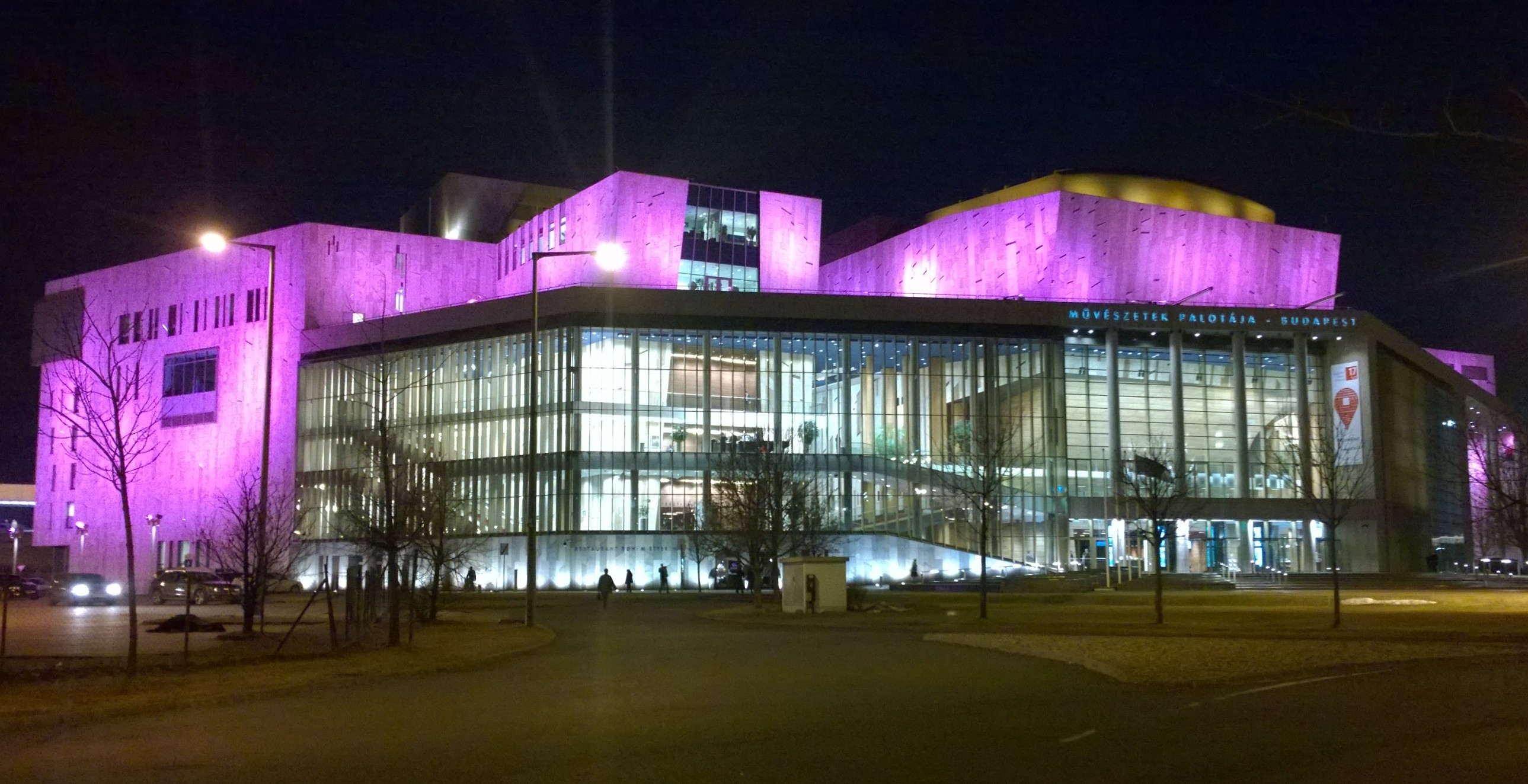 Museum, best known for its Vienna contemporary art gallery. The centre hosts an enormous range of activities throughout the year and, for the past three years, has been running a short early music festival, this year consisting of six events. I was invited to review five of them, between 27 February to 4 March, featuring performers based in Italy, Austria, Germany, Switzerland and Budapest.
 ook place in the
  You really do need to like the sound of the harpsichord to appreciate this CD, with its two powerful French harpsichords doing battle with each other and, on occasion, the eardrums. Guillermo Brachetta’s arrangement of pieces from Rameau’s Platée lasts about 50 minutes, and runs the whole gamut of the French Baroque vocal, instrumental and dance style. And it is an extraordinary style, aided by a very clever arrangement and the forthright and imaginative playing by Guillermo Brachetta and his former teacher, Menno van Delft.
 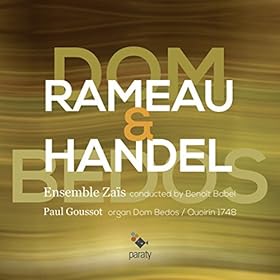 Handel and Rameau are both frustrating composers for organists. Both were very keen organists throughout their life, but Rameau left no organ music, and Handel very little. I have given many organ recitals solely devoted to Handel’s music, but only by drawing on music almost certainly intended for harpsichord. It works well, but I would love to have heard Handel (and Rameau) improvising on the organ. This CD is something of a nod towards that very happening. The unspoken premise of this recording seems to be that Handel and Rameau (born two years apart) meet near the west coast of France (which Handel certainly never ventured even close to) in a church housing one of the largest and most comprehensive French baroque organs ever built – the 1750 Dom Bedos organ of Saint-Croix in Bordeaux. There happens to be an orchestra present. They set about a run-through of some of their pieces, Handel expanding on his Organ Concertos and Rameau transcribing some of his orchestral and harpsichord ensemble works for organ and orchestra. Both improvise at will.

 Andrew Benson-Wilson : Early Music Reviews +