I Fagiolini: Monteverdi Vespers

Monteverdi Vespers of 1610
I Fagiolini, English Cornett & Sackbut Ensemble
Robert Hollingworth
St Martin in the Fields, 26 September 2025

The Monteverdi Vespers of 1610 is one of those enigmatic pieces with a complicated back story and fascinating performance quandaries, not unlike the Bach B minor Mass. Under the title of Vespers for the Blessed Virgin, it is part of a larger publication, Mass for the Most Holy Virgin for six voices, and Vespers for several voices with some sacred songs, suitable for chapels and ducal chambers. It combines music for a Mass and the Vespers together with “a few sacred songs” and a largely instrumental Sonata. It does not fit into either a traditional Mass or Vespers ritual. At the time, Monteverdi was maestro di capella to the Gonzaga Dukes of Mantua, but the score was personally dedicated and presented to the Borghese Pope Paul V in Rome, suggesting that it was a not-so-subtle calling card for preferment, representing as it does the wide scope of his compositional powers. Despite that, within three years, he was appointed maestro di capella at St Mark’s in Venice. It is unlikely that it was ever heard the Vespers in the form that we know it today. Indeed, it might never have been intended to be heard in that form.

Continue reading

Alamire: Anne Boleyn’s Songbook

Anne Boleyn’s Songbook
Alamire, David Skinner
St Martin-in-the-Fields, 17 February 2023


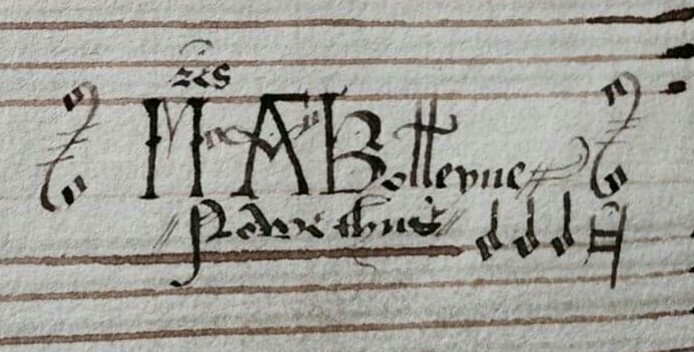
This was a welcome return of Alamire’s ‘Anne Boleyn’s Songbook’, following their 2015 recording and Wannamaker Playhouse performance. The songbook is a manuscript in the Royal College of Music that seems to have belonged to Anne Boleyn. It includes the inscription ‘Mistres ABolleyne nowe this’ the ‘Mistres’ suggesting that the songbook was started before she became Queen in 1533. ‘Nowe thus’ is her father’s motto.

_20150916_154853


This programme combines pieces from the Songbook with readings from what I assume were the published love letters between Anne and Henry VIII which somehow or other ended up in the Vatican Library.

Continue reading

Byrd 1588

Byrd 1588
Psalmes, Sonets & Songs of sadnes and pietie
Alamire, Fretwork, David Skinner
Inventa Records INV1006. 2CDs, 78’54 + 78’20


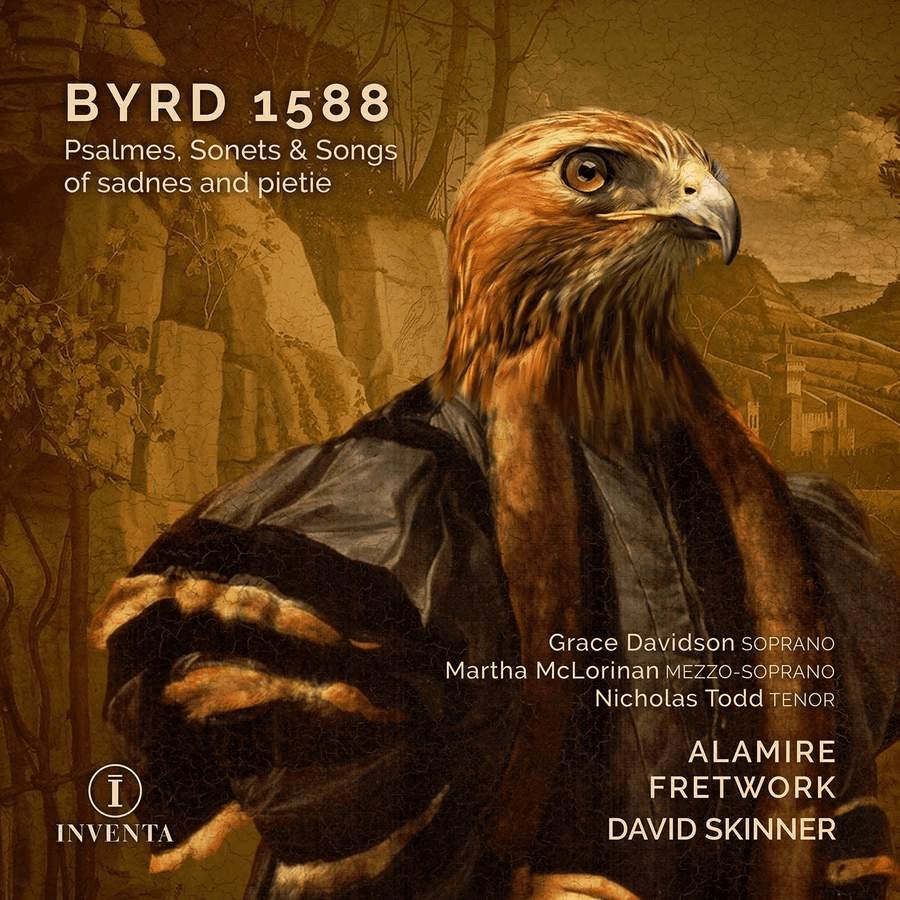
The 1588 Psalmes, Sonets, & songs of sadnes and pietie was William Byrd’s first solo publication after the Cantiones Sacrae of 1575, a joint venture with Thomas Tallis. This recording is also a joint venture between the chamber choir Alamire and the viol consort Fretwork. It was recorded, appropriately, in the isolated church of All Saints’ Church, Holdenby, in Northamptonshire, the only surviving relic of a village that was moved by Sir Christopher Hatton, Elizabeth I’s Lord Chancellor and the patron of the 1588 collection, when he built (in 1583) the nearby Holdenby House, itself now reduced to a few remnants from its initial grandeur as one of the largest houses in the country.

Continue reading

MacMillan: Seven Angels

MacMillan: Seven Angels
Ex Cathedra, Jeffrey Skidmore, Martha McLorinan
St Giles Cripplegate, 15 October 2016

The first of a two Sunday Barbican concerts focussing on the choral music of Sir James MacMillan took place on Saturday afternoon in the medieval church of St Giles Cripplegate, on the opposite side of the Barbican lakes from the main concert hall and theatre. It featured the London premiere of MacMillan’s Seven Angels, commissioned by the Birmingham based Ex Cathedra and its director Jeffrey Skidmore, and first performed in Birmingham last year. The piece stemmed from an informal discussion between MacMillan and Skidmore, both Elgar fans, on the uncompleted ‘Last Judgement’ conclusion of Elgar’s intended trilogy, which started with The Apostles and The Kingdom.

Although bearing no relation to Elgar’s surviving sketches, MacMillan took similar inspiration from the Book of Revelation, one Continue reading