
Monteverdi Vespers of 1610
I Fagiolini, English Cornett & Sackbut Ensemble
Robert Hollingworth
St Martin in the Fields, 26 September 2025

The Monteverdi Vespers of 1610 is one of those enigmatic pieces with a complicated back story and fascinating performance quandaries, not unlike the Bach B minor Mass. Under the title of Vespers for the Blessed Virgin, it is part of a larger publication, Mass for the Most Holy Virgin for six voices, and Vespers for several voices with some sacred songs, suitable for chapels and ducal chambers. It combines music for a Mass and the Vespers together with “a few sacred songs” and a largely instrumental Sonata. It does not fit into either a traditional Mass or Vespers ritual. At the time, Monteverdi was maestro di capella to the Gonzaga Dukes of Mantua, but the score was personally dedicated and presented to the Borghese Pope Paul V in Rome, suggesting that it was a not-so-subtle calling card for preferment, representing as it does the wide scope of his compositional powers. Despite that, within three years, he was appointed maestro di capella at St Mark’s in Venice. It is unlikely that it was ever heard the Vespers in the form that we know it today. Indeed, it might never have been intended to be heard in that form.
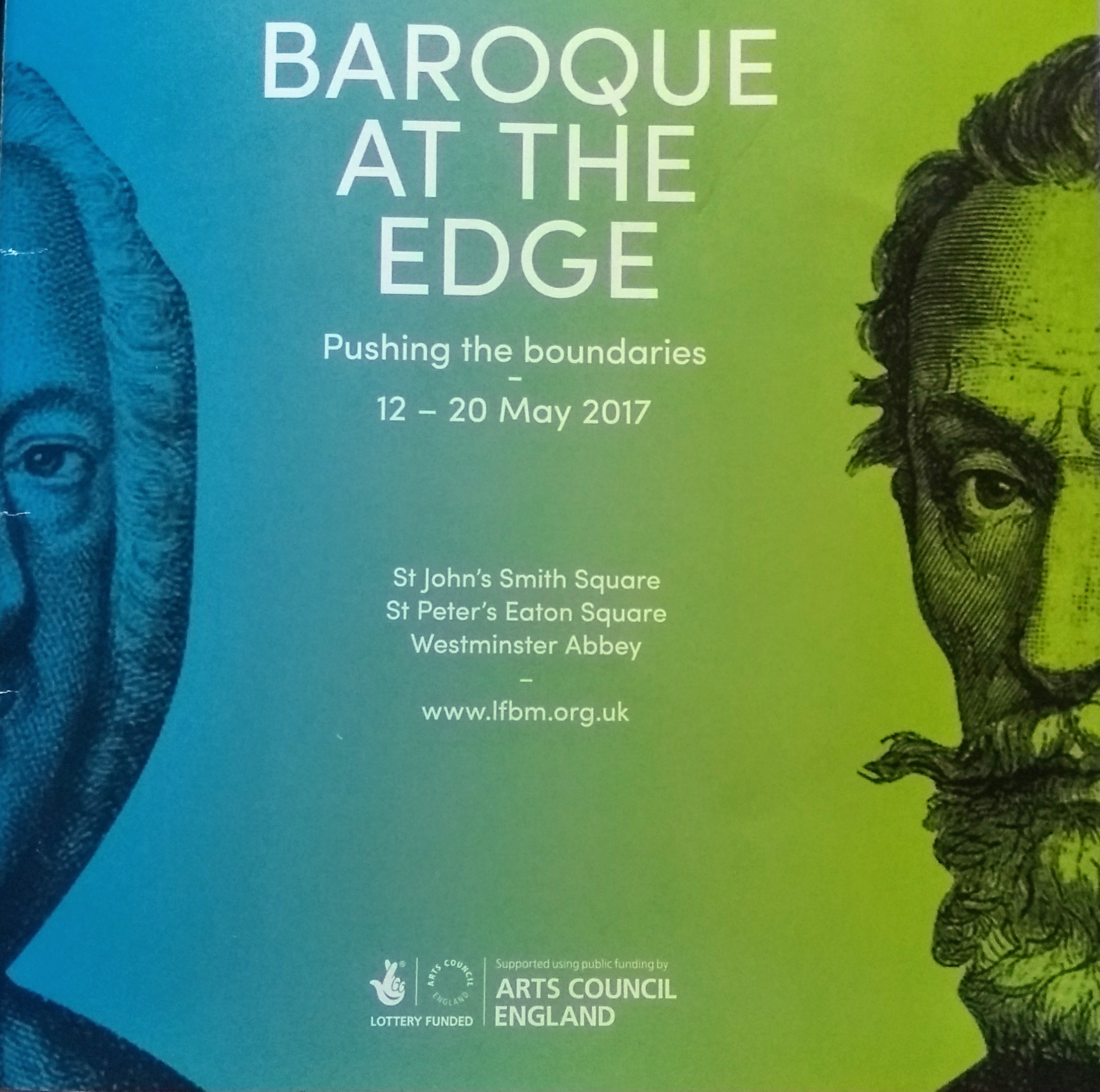 After reforming, renaming, and regrowing itself from the long-running Lufthansa Festival, the London Festival of Baroque Music has become, phoenix-like, one of the most important early music festivals in London. Under the banner of ‘Baroque at the Edge: pushing the boundaries‘, this year’s LFBM used the music of Monteverdi and Telemann, from either end of the Baroque (and both with anniversaries this year) to explore ‘some of the chronological, geographical and stylistic peripheries of Baroque Music’. With one exception, all the concerts were held in the Baroque splendour of St John’s, Smith Square.
 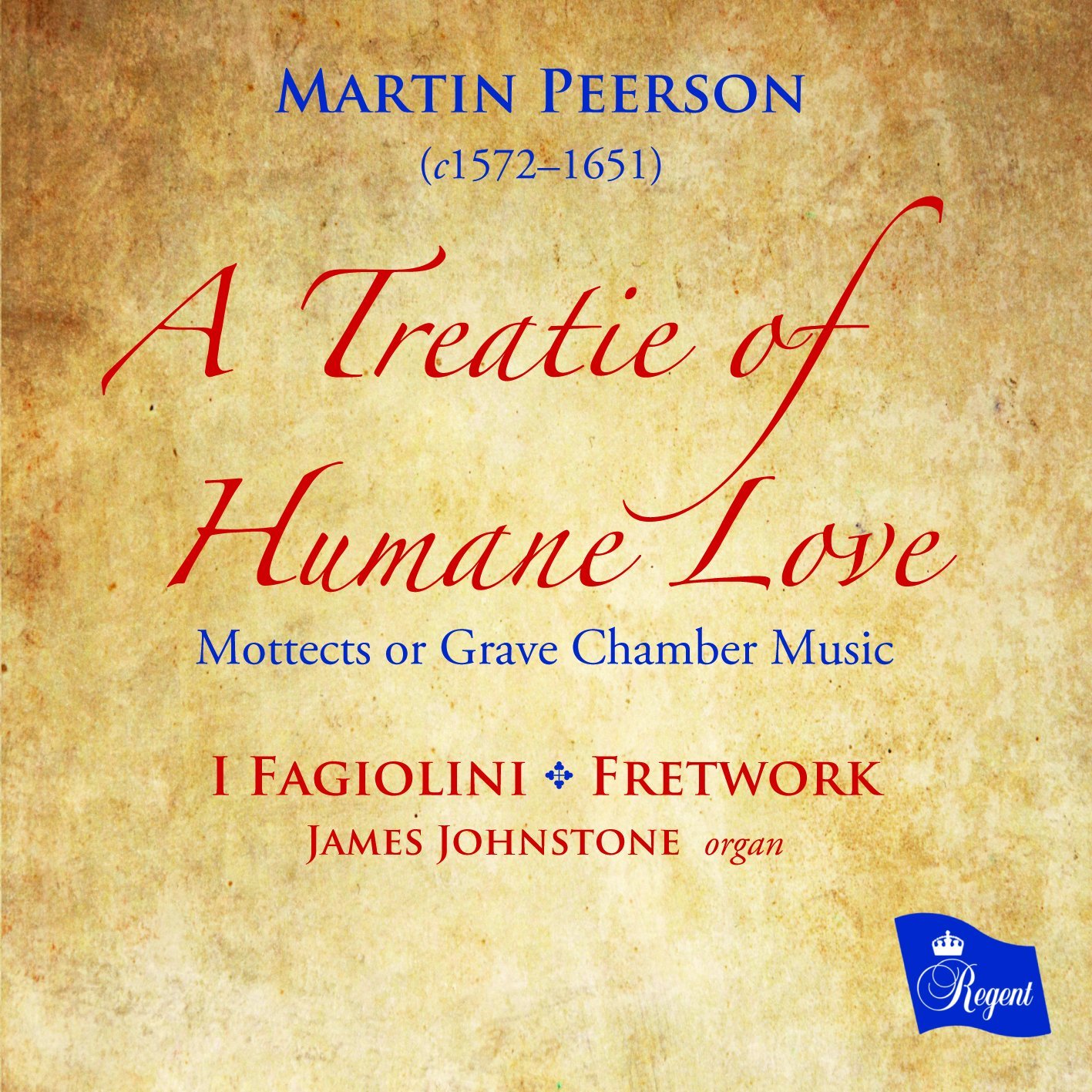 Martin Peerson is one of those composers that can so easily slip under the radar. Little is known of his early life, and records of his adult life are confused by the various ways of spelling his name. It is likely that he was born in March (not the month, but a small market town in Cambridgeshire) around 1572, and became a choirboy at St Paul’s Cathedral. In 1604 a madrigal of his was performed at an ‘entertainment’ in Highgate arranged by Ben Jonson for James I and his Queen Anne of Denmark. This appears to have been his only involvement with the musical life of royalty during his career. He had Catholic sympathies, although managed to pass as sufficiently Protestant to be award a Bachelor of Music from Oxford in 1613. He then held posts at Canterbury and St Paul’s Cathedral and, possibly, Westminster Abbey (a “Martin Pearson” is recorded there in the 1620s).
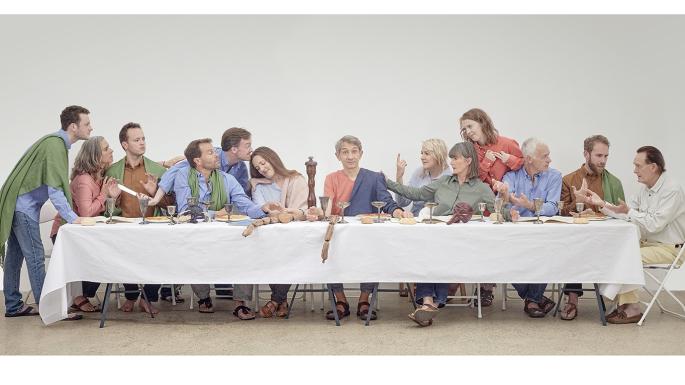
  It’s not often that I find myself standing in a long queue outside a venue controlled by bouncers. But this was, after all, an I Fagiolini event (commissioned by the Barbican), and the little beans had come up with yet another of their spectaculars. The venue was Village Underground, a performance and arts venue created out of a derelict railway viaduct and adjoining warehouse. The bouncers eventually let us in, after we had shown the ‘Crime Scene Inspection Permit’ we had been told to bring with us. We were immediately shrouded in thick smoke, the little blue-light torches were had been given not being a great deal of help. In the murk, we managed to find a series of display boards showing an enigmatic sequence of photos and poetic texts, all linked by lines. Several chalked body outlines could be seen on the floor, close to various seemingly random objects that had been grouped near the display boards. The investigation permit began to make sense. As the gloomy room filled up with people it became harder to move about, an issue that became more serious when the singers and dancers joined the scene.
  Andrew Benson-Wilson : Early Music Reviews +