Mozart: Die Zauberflöte
Orchestra of the Age of Enlightenment, Ryan Wigglesworth
Glyndebourne Festival, 6 August 2019
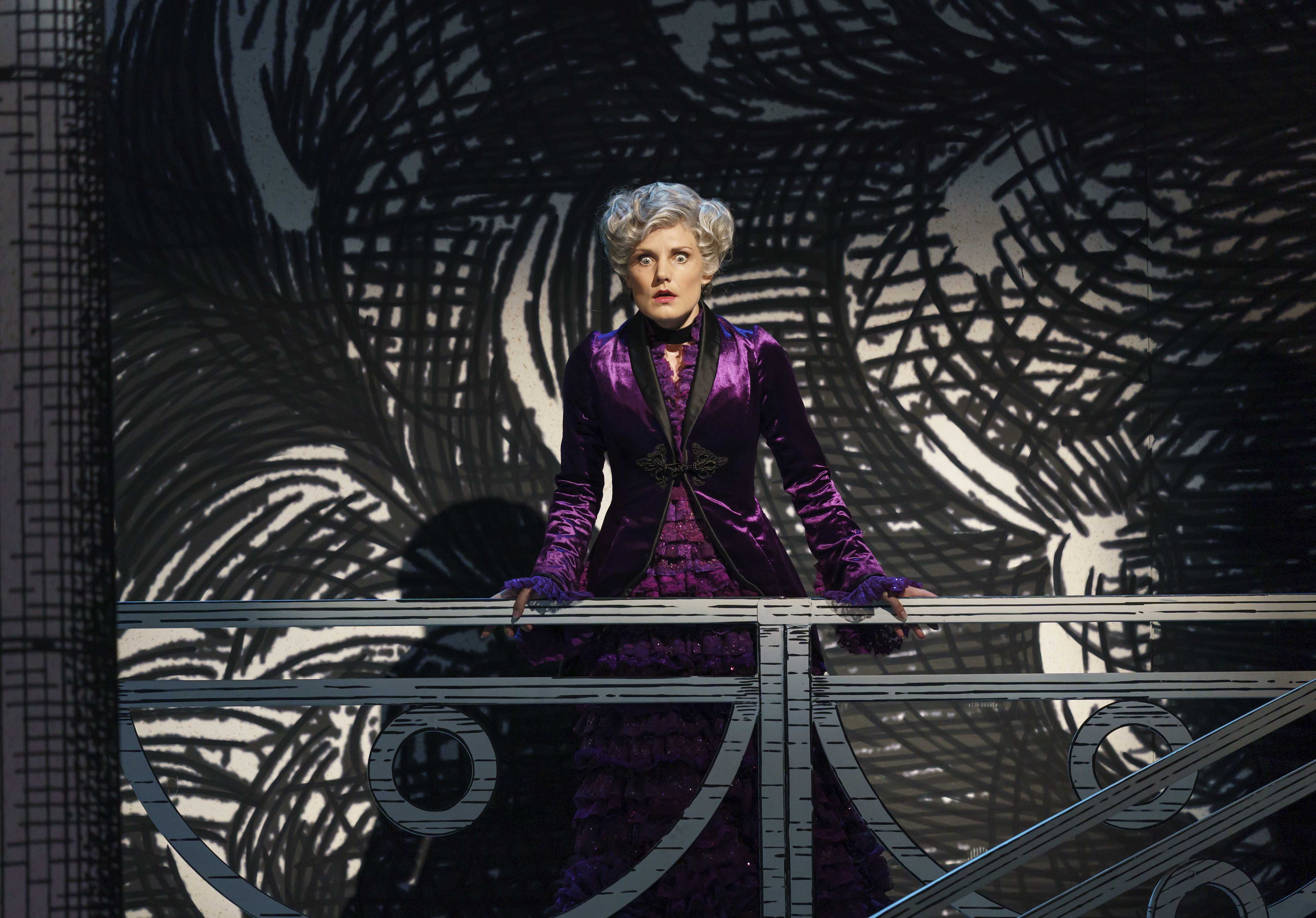
This is the 7th production of Die Zauberflöte at Glyndebourne, and the popularity of Mozart’s singspiel seems undiminished, judging by the sell-out of the entire run. This time it was directed by the Canadian partnership of André Barbe and Renaud Doucet, the former providing the designs, the latter the direction. If you are the sort of opera-goer who struggles with even the simplest plots and prefers to just let the music and the visual spectacle wash over you, this may be the Magic Flute for you. Musically, it was outstanding, with fine singing from a strong cast and excellent playing from the Orchestra of the Age of Enlightenment, directed by Ryan Wigglesworth. André Barbe’s scenery was inventive, based on enlarged versions of his pen and ink sketches and clever use of perspective. That said, there are many questions about Renaud Doucet’s overall direction, not least in the liberties taken with the plot to fit with his own ideas about what he sees as the ‘problems’ with the original concept and libretto.

 the sons of his brother Egitto, King of Egypt. As it happened, Danao had 50 daughters, so married them all off to his nephews with the instruction that they must all murder their husbands on their wedding night. With one exception, Danao’s plan worked, the exception being his daughter Hipermestra and her new husband Linceo, who had fallen for each other. The subsequent plot of Cavalli’s 1658 opera is based on the complex series of events that occurred after the 50 potential murderous nephews were now reduced to a more manageable one.
  I didn’t see the 2010 production of Don Giovanni, or this summer’s Festival revival, so for me this was a new show. Set in a post-Mussolini Italy, the broody set, designed by Paul Brown, is focused on a massive central cube that presents all four of its sides, plus different incarnations of the central space, to the audience. It is a powerful image, but not without potential issues. Its overpowering presence centre stage pushes most of the action to the front or the side of the stage: no bad thing in itself, but giving a rather cramped feeling
  The annual visit to the Proms of one of the current series of Glyndebourne Festival Opera productions is always a highlight. Transferring from the relatively intimate space of Glyndebourne’s opera house to the vast Royal Albert Hall obviously has its problems, but the more-than-semi-staging (in this case, with full costumes and props, but no scenery) brings a welcome chance to focus on the music. There were several surprises for those not used to the work, not least that it is a Singspiel, with a lot of spoken text, much of which is usually omitted – but not here. This gave the chance to experience Mozart’s music in its original context of incidental music to a play. The fact that the music is of the utmost complexity only heightens the suspense of waiting for the next bit to start.
 Andrew Benson-Wilson : Early Music Reviews +