Bach: St John Passion
Academy of Ancient Music, Lawrence Cummings
Barbican Hall, 18 April 2025
Nicholas Mulroy, Evangelist, Dingle Yandell, Christus,
Carolyn Sampson, soprano, Helen Charlston, alto, Ed Lyon, tenor, Jonathan Brown, bass
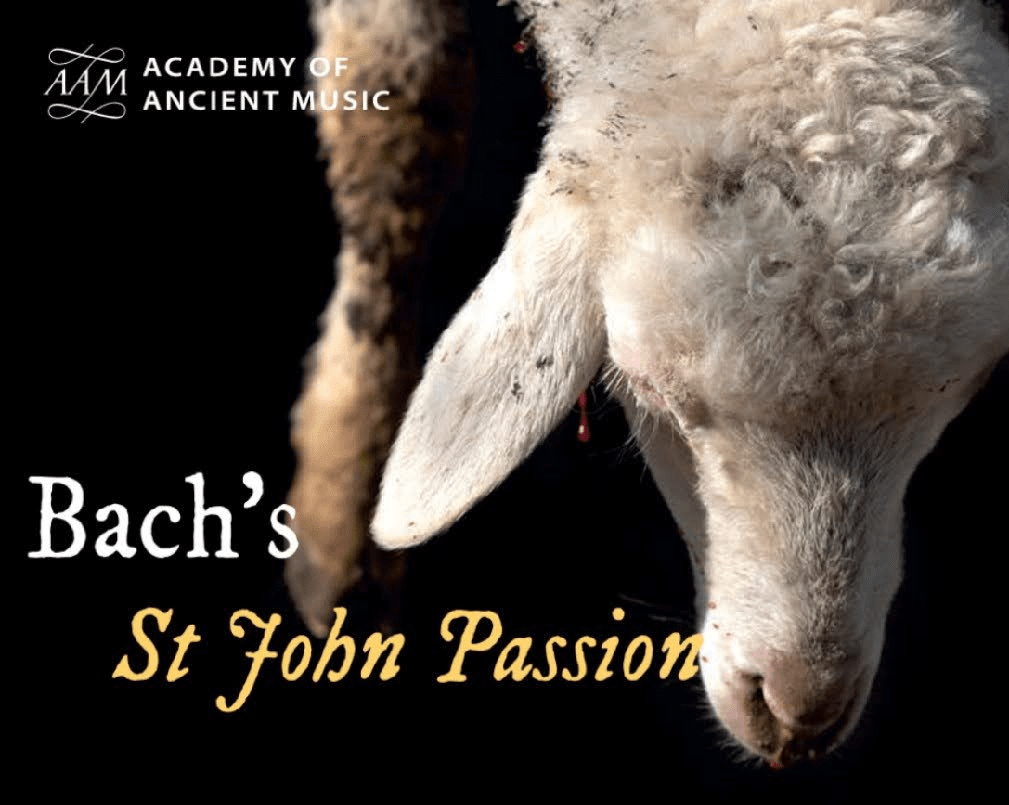
Music has played a key role in religious occasions since the earliest times, and has played a notable role in most aspects of Western Christianity. When listening to pieces like the John or Matthew Passions or Messiah, I often wonder whether it is the words and the story, or the music that has the most highly charged emotional effect on those listening. For Christians, 3pm on Good Friday is one of the most sacred times of the year: according to one of the gospels, the moment when Jesus died after a three-hour-long crucifixion. In many Christian traditions, the whole day is devoted to fasting. But, for around 2000 people, 3pm was the start of the Academy of Ancient Music’s performance of Bach’s St John Passion in a packed Barbican Hall.

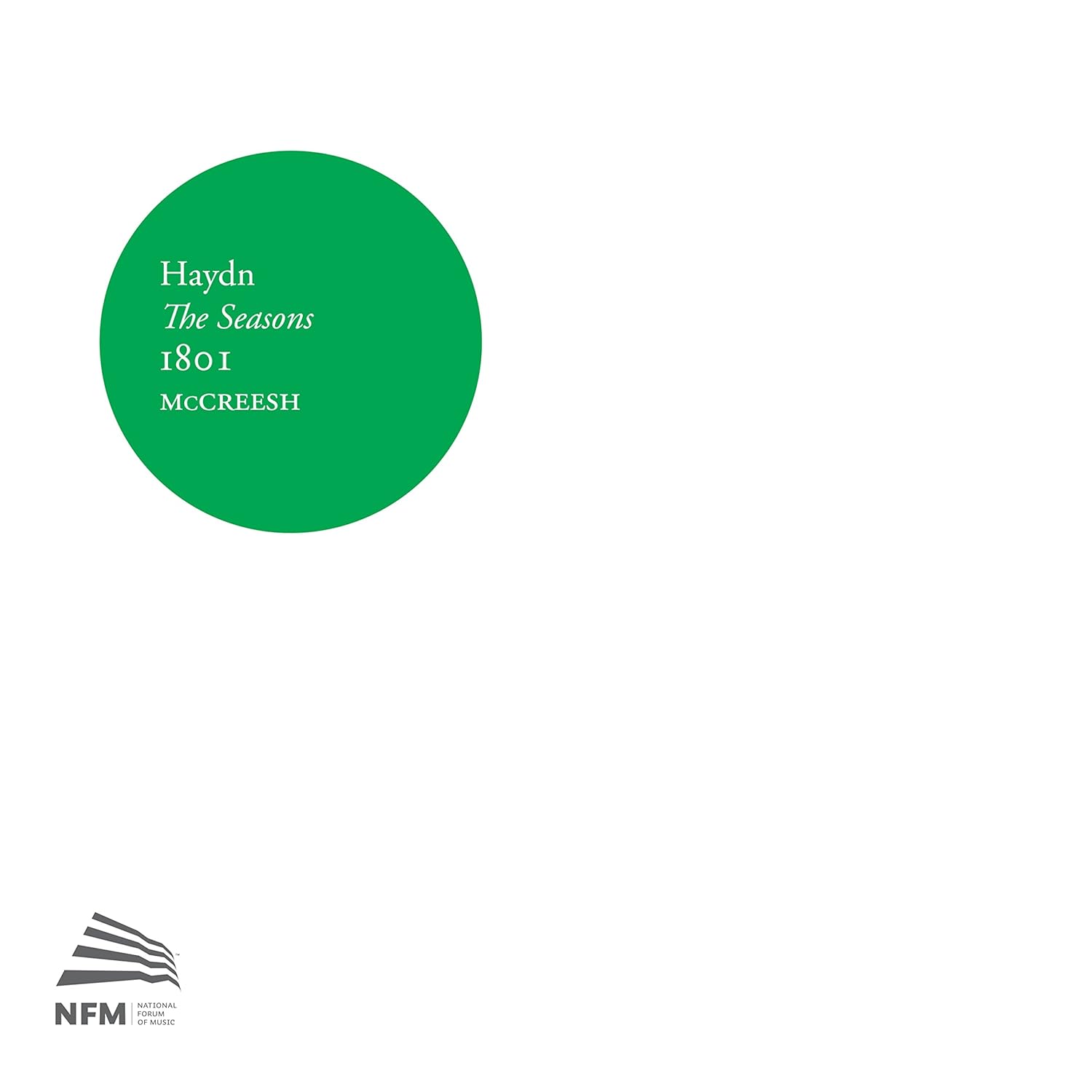 their 1994 reconstruction of a Lutheran Christmas recorded with massed forces in Roskilde Cathedral, the latter chosen because of its important historic organ. In recent years they have built close connections with the National Forum of Music in Wroclaw, Poland. This much heralded recording of the 1801 version of Haydn’s The Seasons is the latest of those collaborations. The opening thunderous wallop on the timpani will warn you that this is a recording of some drama and punch. Using a new performing edition (and English translation) by Paul McCreesh this is the first recording to feature the large orchestral forces that Haydn called for in some of the early performances, with a string section of 60, 10 horns and a choir of 70, using the combined forces of the Gabrieli Consort & Players, Wroclaw Baroque Orchestra and National Forum of Music Choir.
 five female composers, the music ranged from the very beginning of the Baroque up to the end of the 17th century. The earliest composer was Francesca Caccini (1587-1641), daughter of Giulio Caccini (represented here by Peter Philips’ harpsichord transcription of his Amarillo, mia Bella). Francesca Caccini made her debut aged 13 at the Medici Court, singing at the wedding of Henri IV of France to a Medici bride. After time in France she returned to become the leading female singer in Florence. Apart from one opera (the earliest known one by a woman) her only surviving music was published in 1618. The three pieces demonstrated the early recitativo style of
  Andrew Benson-Wilson : Early Music Reviews +