Laus Polyphoniae 2024, Antwerp

Laus Polyphoniae 2024
“VOX\VOCES, monophonic\polyphonic”
Antwerp, Flanders
23 August – 1 September 2024


Antwerp’s annual Laus Polyphoniae festival, as the name suggests, is devoted to music from the late Middle Ages and Renaissance, a period when polyphony was paramount. This year’s festival had the banner of VOX\VOCES, monophonic\polyphonic reflecting an investigation of links between monophonic and polyphonic music during the period. As usual, it was organised by AMUZ (Flanders Festival Antwerp) from its base centred around the baroque St. Augustine Church in the centre of Antwerp. An introductory essay to the festival and clickable details of all the events can be found here. The festival lasted for 11 days, but I was only able to review the first four days. which included the International Young Artist’s Presentation (IYAP) on the first Saturday, reviewed here.

Continue reading

Leuven Chansonnier

Leuven Chansonnier Vol. 1
Sollazzo Ensemble, Anna Danilevskaia
Passacaille PAS1054. 62’02

The Leuven Chansonnier was discovered in 2015 when an art historian approached the Alamire Foundation with a tiny (120x85mm) music book. It turned out to be a previously unknown 15th-century book of chansons. It has been dated to around 1475, and probably originated in the Loire Valley. It was purchased by the King Baudouin Foundation and loaned to the Alamire Foundation in Leuven. As there is no indication of original ownership or provenance, it has been called the Leuven Chansonnier. It contains fifty compositions, a Latin Ave Regina by Walter Frye and 59 French chansons, many of which were recognised as being by leading 15th-century Franco-Flemish composers such as Johannes Ockeghem. There are twelve previously unknown works, eight of which are included on this CD. Continue reading

Leuven: ‘Voices of Passion’

Alamire Foundation
Passie van de Stemmen (Voices of Passion)
Huelgas Ensemble & Park Collegium
Park Abbey, Leuven. 22/23 April 2017

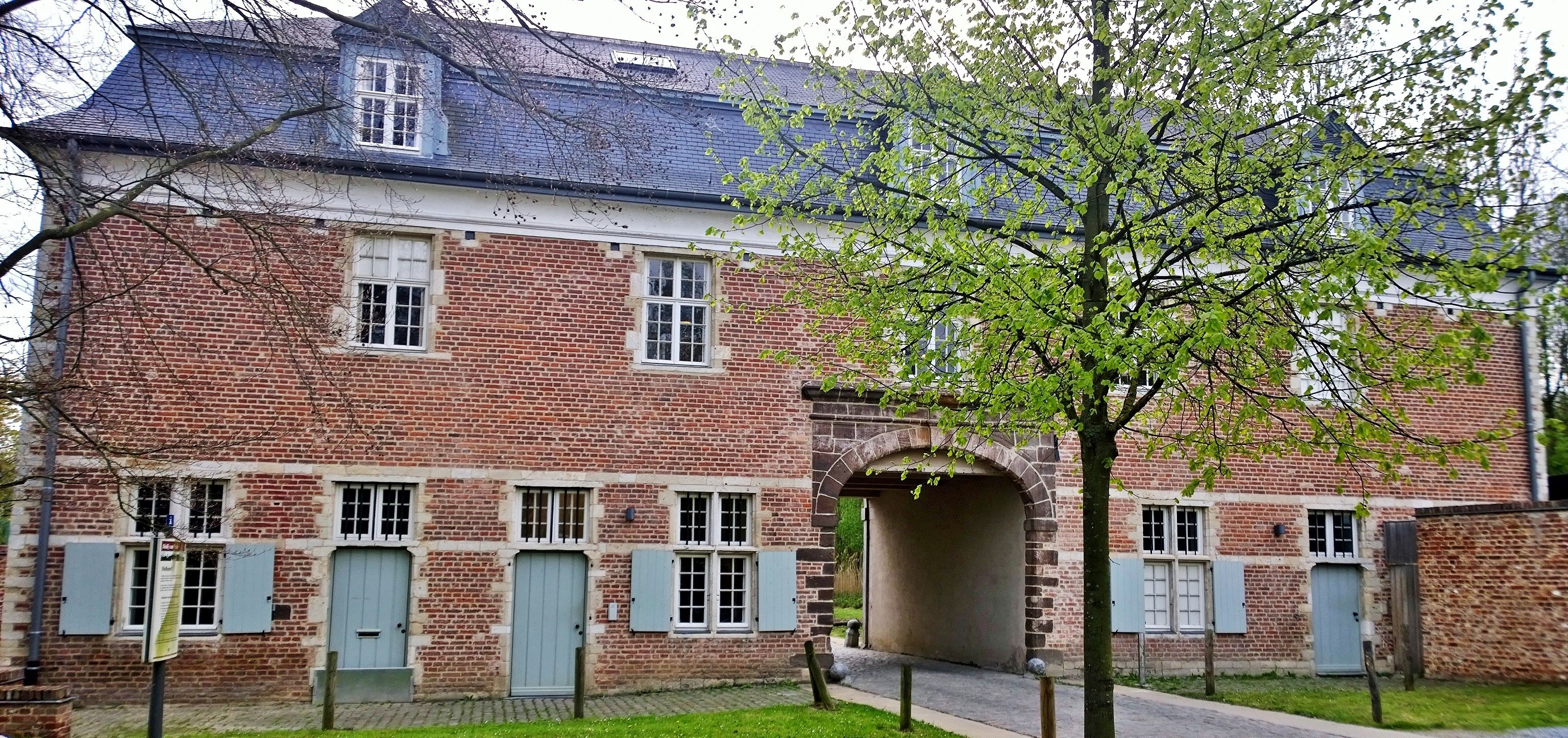
Musically, Leuven, the historic city about 15 miles east of Brussels (and the capital of the Flemish Brabant province), has been rather overlooked by their fellow Belgian cities of Antwerp, Bruges and Brussels. But as the medieval seat of the Dukes of Brabant, it was central to the geographical area that saw one of the most important developments in Renaissance choral music, variably referred to as Burgundian, Brabant, Franco-Flemish. Nowadays this approximates to the Low Country regions of northern France, Belgium, and the south Netherlands. It is therefore entireWP_20170422_18_09_47_Pro (2).jpgly appropriate that since 1991 it has been the home of the Alamire Foundation, the International Center for the Study of Music in the Low Countries, founded in conjunction with the Catholic University of Leuven and Musica, Impulscentrum voor muziek, Neerpelt. It is resident in the Huis van de Polyfonie (House of Polyphony, pictured), one of the gatehouses to Leuven’s historic Park Abbey. Continue reading