
Mayfair Organ Concerts – The Grosvenor Chapel
5 August 2025
Andrew Benson-Wilson
Arnolt Schlick
Tabulaturen etlicher lobgesang (1512)
Salve Regina (5 verses) 12’
(Salve regina – Ad te clamamus – Eia ergo, advocata- O pia – O dulcis Maria)
Pete quid vis 3’, Hoe losteleck 3’, Benedictus 2’30,
Primi toni 2’, Maria zart 2’30, Christe 1’30
Da pacem (3 settings) 7’
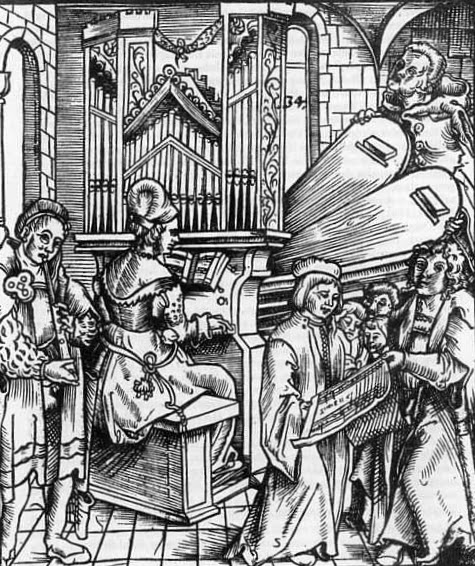
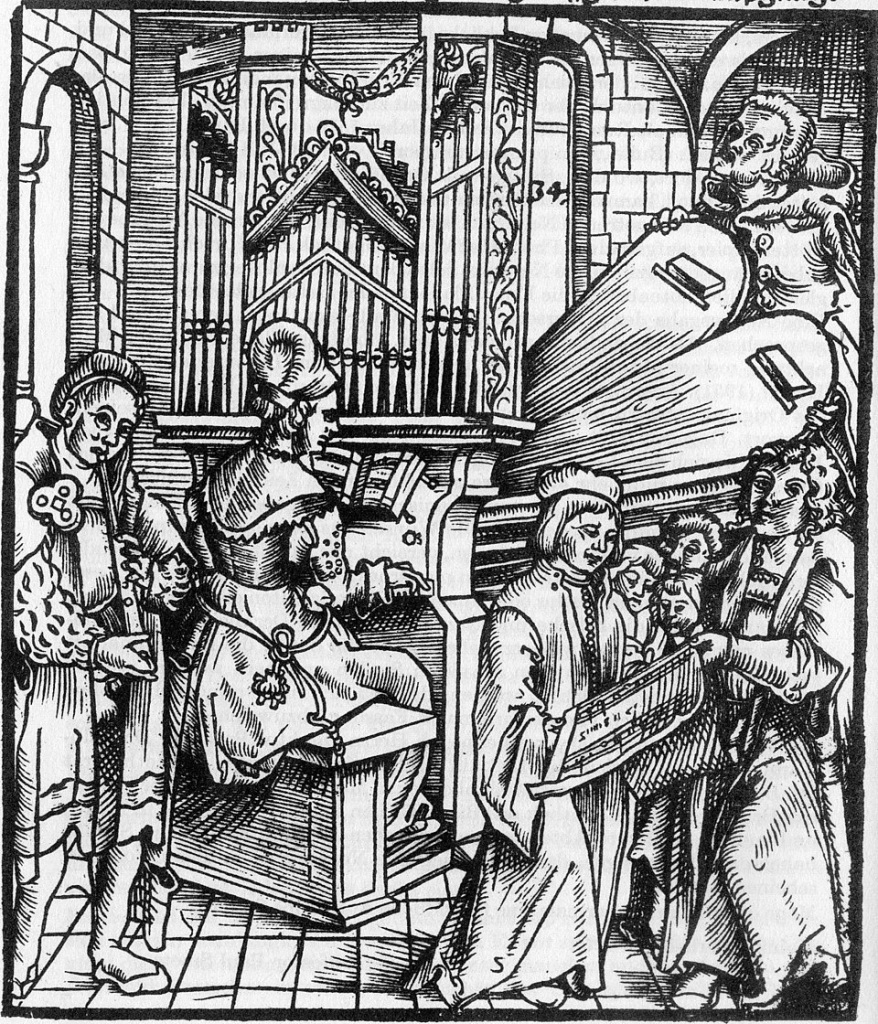
Title page of Spiegel der Orgelmacher und Organisten, 1511
Arnolt Schlick (c1455-c1525) has been described as”one of the greatest masters who have left their imprint on the history of organ music“. He was one of the most important members of the influential group of German late Renaissance organ composers, known as the Colourists. Others include Conrad Paumann and Paul Hofhaimer. Schlick lived and worked in the important university city of Heidelberg. In his late 20s, he was appointed court organist to the Palatinate Elector. In 1486 he played the organ for the coronation of the Habsburg Maximilian I as the King of the Romans. In 1511, he published the Spiegel der Orgelmacher und Organisten, the first German treatise on organ building and performance. The following year he published the Tabulaturen etlicher lobgesang und lidlein uff die orgeln un lauten (Tablatures of Several Canticles and Songs for the Organ and Lute). The collection shows the early development of keyboard music. Conveniently, the organ pieces fit into the length of a lunchtime recital.
 Andrew Benson-Wilson : Early Music Reviews +