A Giant Reborn
The restored 1735 Richard Bridge organ of Christ Church, Spitalfields, London
Gerard Brooks
Fugue State Records FSRCD010. 2CDs. 77’02+66’35
Music by Prelleur, Handel, Greene, Stanley, Bull, Barrett, Purcell, Croft, Heron, Boyce, Walond, Arne, Nares, Reading, James, Keeble
 The completion of the restoration of the famous 1735 Richard Bridge organ in Hawksmoor’s Christ Church, Spitalfields was one of the most important musical events in London during 2015. My review of John Scott’s opening recital, and details of the organ, can be seen here. Tragically it was one of the last recitals that John Scott gave before his death . Equally tragically, the master organ builder William Drake, the finest restorer of historic organs in the UK, died the year before the organ’s completion, so never heard what must now stand as his memorial.
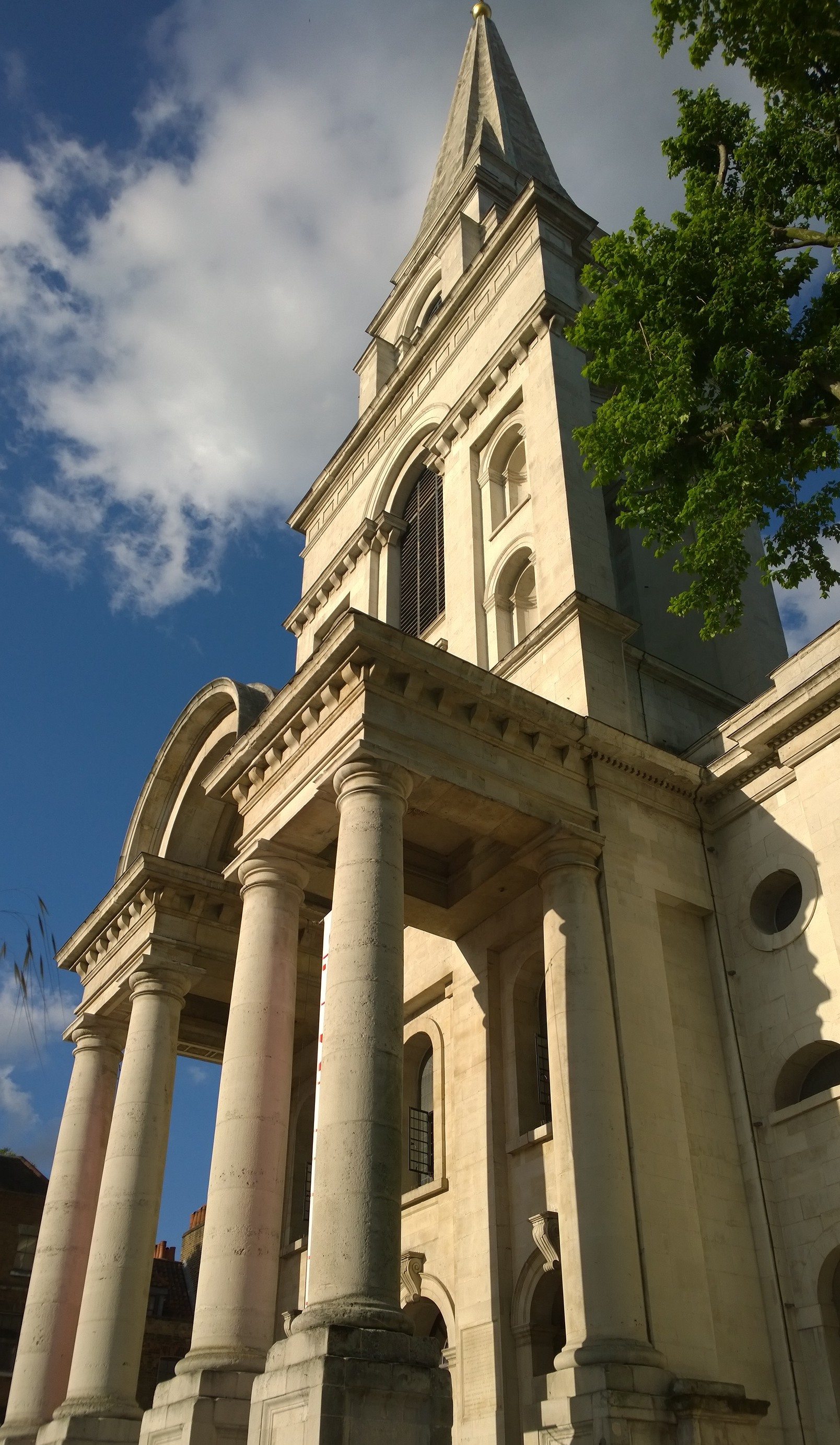
Christ Church, Spitalfields was built between 1714 and 1729 as part of the ’Fifty New Churches’ Act of Parliament of 1711. It is one of the six East London churches 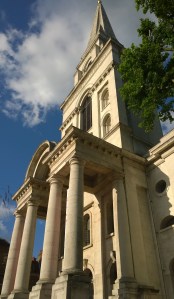 designed by the famed Baroque architect Nicholas Hawksmoor. The organ was built in 1735 by Richard Bridge, who became one of the leading organ builders of the day. Spitalfields seems to have been only his second commission, perhaps explaining the comparatively low price of £600 for such a substantial instrument. For the following 100 years or so, it was the largest organ in the country. It suffered the inevitable changes over the years, but retained enough of its original pipework to form the basis for a historically based reconstruction, returning it broadly to its original specification and construction. It was dismantled in 1998 while the church was being restored and was then restored to its 1735 specification, with very few concessions. Its completion in 2015 makes this by far the most important pre-1800 organ in the UK.
This is the first recording of the restored organ. As well as being a comprehensive account of the instrument’s forces, it is also a fascinating reflection of the organ music in 18th century England, covering most of the principal composers, many of which are little known outside of their organ compositions. Rather like Continue reading
 One of the most important musical events in London in 2015 was the long-awaited opening of the 1735 Richard Bridge organ (restored by William Drake) in the Hawksmoor designed Christ Church, Spitalfields. For many decades it was the largest organ in the UK, and its musical importance is immeasurable. My review of the gala opening recital, given by (the now sadly, late) John Scott, and information about the restoration and an organ specification can be found
 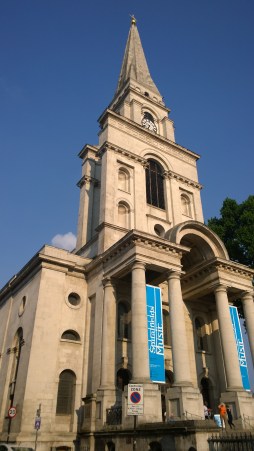 Spitalfields Music has been an extraordinary musical and community success since its foundation 40 years ago. Starting life with a 1966 concert to help save Nicholas Hawksmoor’s architecturally important Christ Church Spitalfields (which was then, unbelievably, under threat of demolition) it soon grew into a ‘Summer Festival of Music’ led by Richard Hickox. Initially under the auspices of the Friends of Christ Church, it became an independent organisation and charity in 1989, setting up their continuing community and education programme two years later. Under the artistic and managerial leadership of the likes of Judith Serota, Michael Berkely, Judith Weir, Jonathan Dove, Diana Burrel, Abigail Pogson and the current Chief Executive, Eleanor Gussman, it has grown into an major musical and community force in London, sharing their passion for music with nearly half and million people, attracting more than 325,000 audience members to events in more than 70 venues in the Spitalfields and Tower Hamlets area. Alongside their Summer and Winter Festivals, they run an enormous Learning & Participation programme involved more than 125,000 people.
 For their Spitalfields Festival debut, The Marian Consort brought their programme ‘Christmas with the Shepherds’ (based on last year’s CD release) to St Leonard’s, Shoreditch at the conclusion of a national tour. In a very well conceived and planned programme, they traced the influence of Jean Mouton on composers of the following century, notably Cristóbel de Morales, whose Missa Quaeramus cum pastoribus formed the nucleus of the programme. After the opening motet Alma Redemptoris Mater by Victoria, the latest of the composers represented, we heard Mouton’s motet Quaeramus cum pastoribus, a work that stayed in the repertoire of the Sistine Chapel for more than 100 years and survives in 27 manuscripts and printed sources now to be found as far apart as Aberdeen and Guatemala. It is the best known of a series of ‘Noë’ motets found in the Sistine Chapel archive, the result of the Medici Pope Leo X whose after-dinner entertainment
  Arvo Pärt provided a link between the earlier B’Rock/Julia Doyle concert and the later evening programme of a capella ‘Songs from the Northern Lands’ given by the Choir of Royal Holloway College. They opened with Pärt’s mesmerising Magnificat, the verse sections evolving around a high and long-held soprano note, and contrasting with fuller-textured passages. A similar drone note was at the core of Rihards Dubra’s ‘A child’s prayer’, again with a soprano solo. Vytautas Miškinis’s Oi šala, šala uses the ‘sh’ sound of ‘šala’ to invoke the sense of shivering in the frost. It is performed with three remote female voices (with noisy shoes!) echoing each other, a soprano solo and an almost inaudible little bell that reinforced the end of phrases.
  Corelli: Concertos grosso Op6/4 and Op6/8 ‘Christmas Concerto’; Handel: Gloria; Arvo Pärt arr Frank Agsteribbe: Fratres; A Scarlatti: Cantata ‘O di Betlemme altera’
 g some 30,000 people a year. Their latest Winter Festival opened (in Shoreditch parish church) with a very apt programme based on the early 17th century vogue for composing music based on the hubbub of London’s street sellers and criers, reflecting a tradition of loudly publicising wares that exists to this day in placed like the nearby Petticoat Market.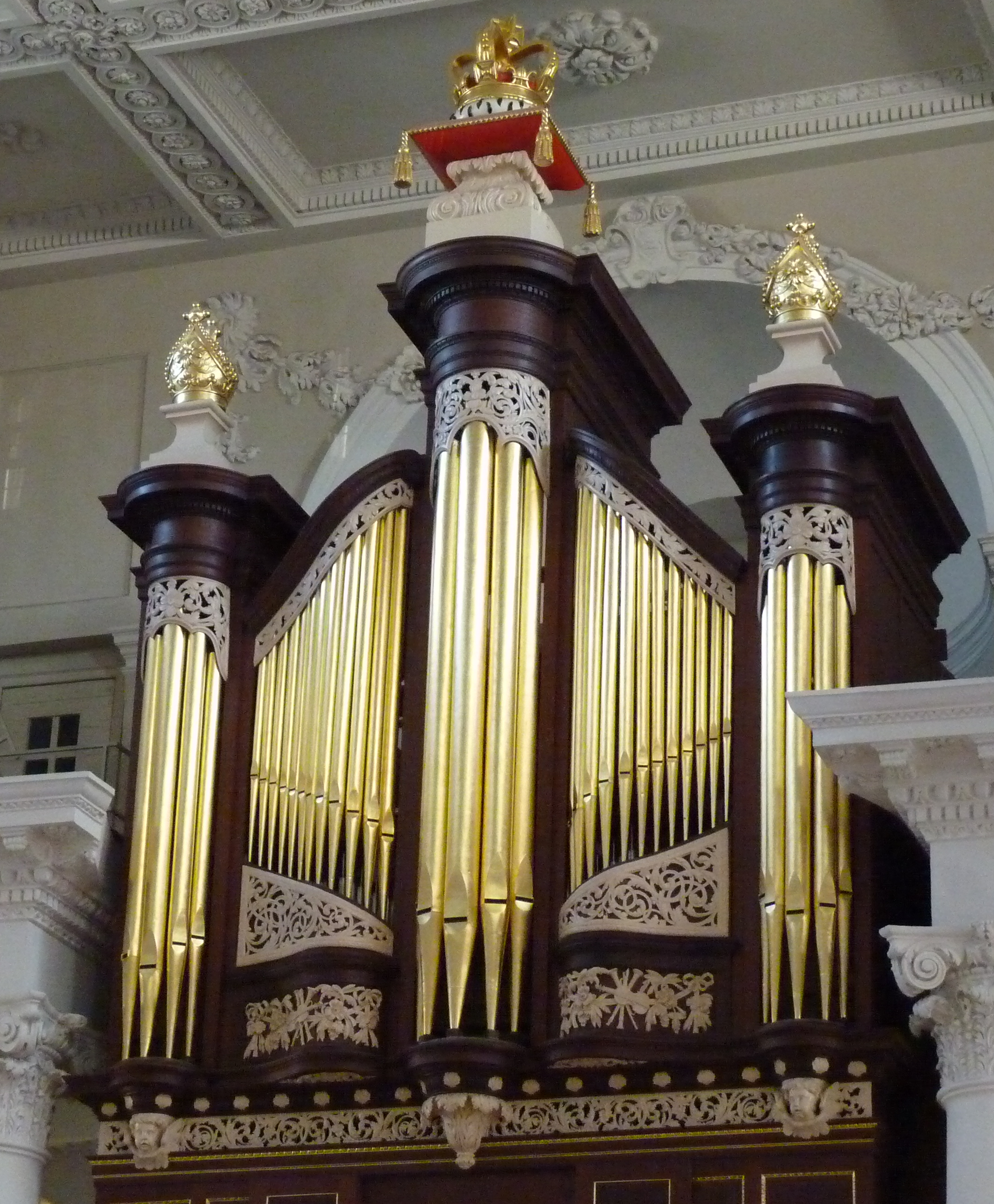
 Andrew Benson-Wilson : Early Music Reviews +