
Bach Organ Works Vol. X: Art of Fugue
Margaret Phillips
Richards, Fowkes and Co. organ, 2012
St George’s Hanover Square, London
Regent Records REGCD558. 2 CDs. 120’58

The Art of Fugue, BWV1080
Canonic Variations on ‘Vom Himmel hoch, da komm ich her’, BWV769
The Art of Fugue, Contrapunctus XIV completion by Kevin Korsyn
The final volume of Margaret Phillips’ complete Bach organ works is a version of The Art of Fugue, arranged for organ. I say ‘arranged’ because there is no indication of which instrument Bach intended his monumental work – if, indeed, he ever intended it for performance at all. It was written and published in open-score, with a separate musical stave for each of the four voices. There are no orchestral instruments of the time that could play all the lines on the same instrument, leading to the assumption that it was intended for the harpsichord. Performance on the organ is common, although there are many questions to be considered, not least the choice of registrations.
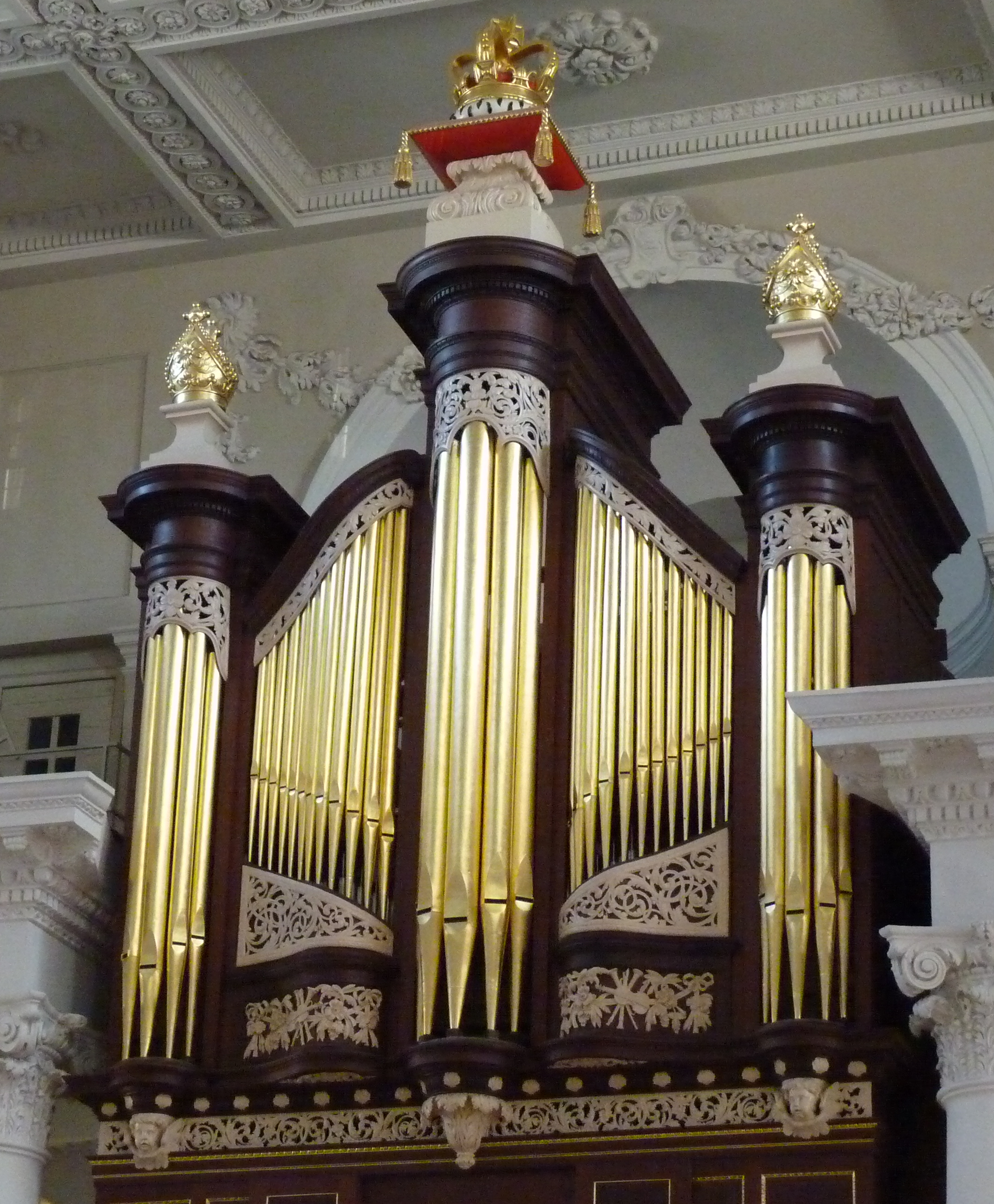 One of the most important musical events in London in 2015 was the long-awaited opening of the 1735 Richard Bridge organ (restored by William Drake) in the Hawksmoor designed Christ Church, Spitalfields. For many decades it was the largest organ in the UK, and its musical importance is immeasurable. My review of the gala opening recital, given by (the now sadly, late) John Scott, and information about the restoration and an organ specification can be found
  As a supplement to Margaret Phillips’ 16 CDs of Bach organ works (published as eight double CDs plus this volume), this CD includes alternative versions, pieces usually allocated to but probably not by Bach, pieces not intended for organ, and one piece had not been rediscovered when the other Bach pieces were recorded, between 2005 and 2009. You could fill a further 16 CD with such peripheral and alternative pieces, so the selection of these 16 must have been quite a task. The choice is an excellent one, balancing well-known pieces such with little-known works like the Fantasia duobus subjectis.
  Andrew Benson-Wilson : Early Music Reviews +