“Immortal Harmony”
London Festival of Baroque Music
Arcangelo, Spiritato, Les Demoiselles Couperin,
Choir of New College Oxford, Ensemble Marguerite Louse Versailes,
Smith Square Hall, 1, 7 & 8 November 2025
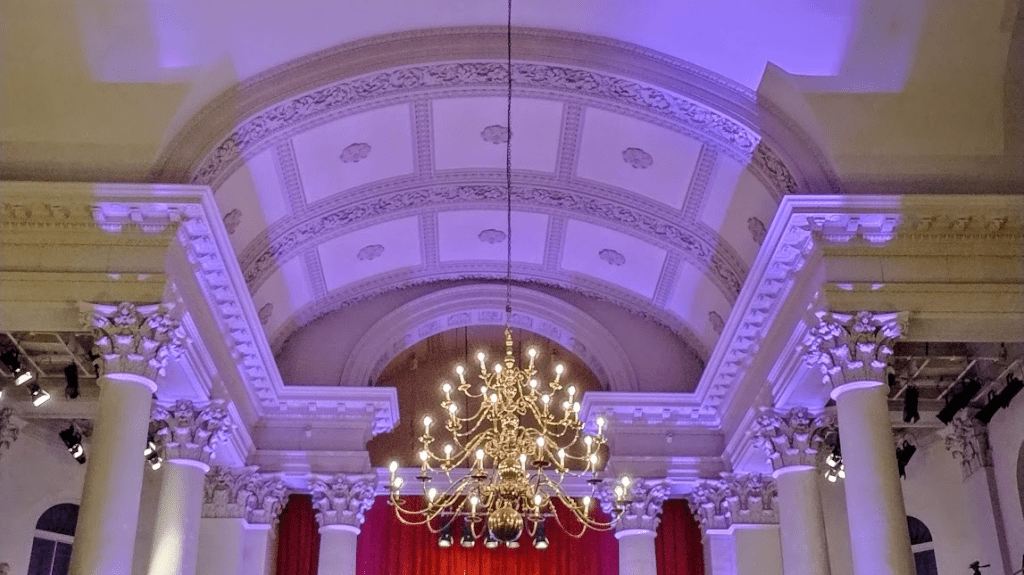
The London Festival of Baroque Music was founded in 1984 as the Lufthansa Festival of Baroque Music by conductor Ivor Bolton and musicologist Tess Knighton, its Artistic Director until 1997. Kate Bolton was Artistic Director from 1997 to 2007, succeeded by Lindsay Kemp. The first concerts took place at St James’s, Piccadilly, before settling into the fine Baroque church of St John’s, Smith Square, now renamed variously as Smith Square Hall or Sinfonia Smith Square. This year’s festival was given the overall title of “Immortal Harmony”. I attended the first and final three concerts, featuring Bach’s Brandenburg Concertos, Bach’s Leipzig legacy, vocal music by Couperin, and ceremonial music by Purcell, Lalande, and Charpentier.


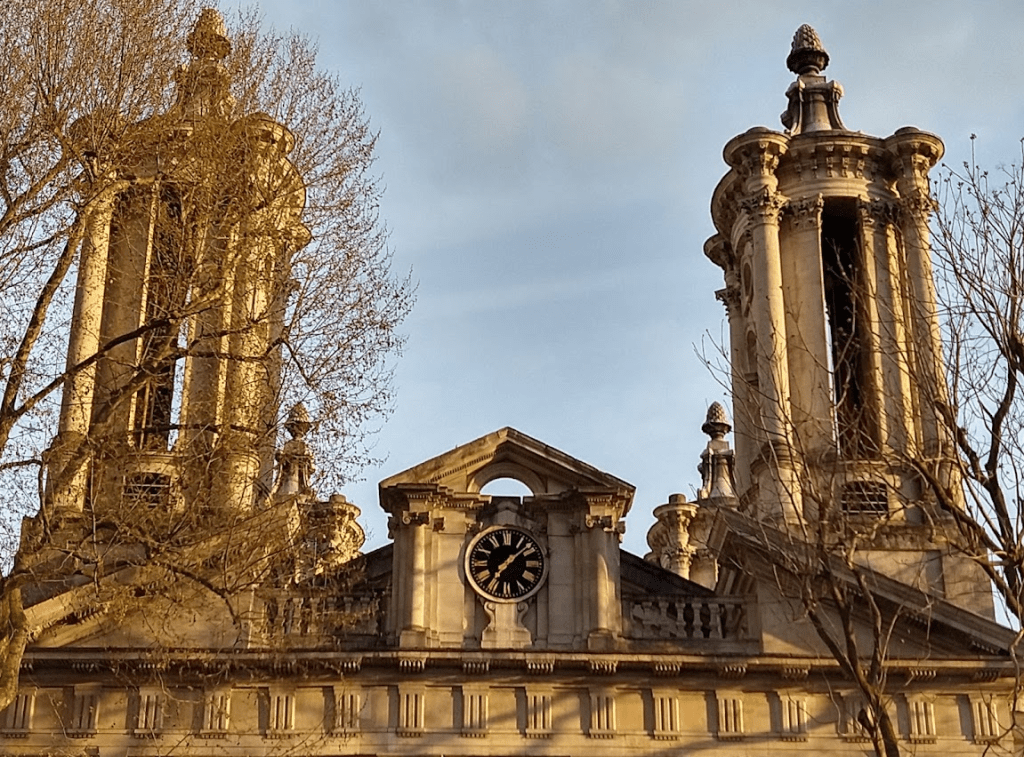

 After reforming, renaming, and regrowing itself from the long-running Lufthansa Festival, the London Festival of Baroque Music has become, phoenix-like, one of the most important early music festivals in London. Under the banner of ‘Baroque at the Edge: pushing the boundaries‘, this year’s LFBM used the music of Monteverdi and Telemann, from either end of the Baroque (and both with anniversaries this year) to explore ‘some of the chronological, geographical and stylistic peripheries of Baroque Music’. With one exception, all the concerts were held in the Baroque splendour of St John’s, Smith Square.
  One of the key events of the London Festival of Baroque Music was final concert of the current incarnation of the European Union Baroque Orchestra, and orchestra I have been reviewing enthusiastically for many years. After extensive annual training auditions attracting around 100 applicants, aided by leading period performers, around 30 instrumentalists are selected each year to tour a series of concerts around Europe. But this concert was also, very sadly, the very last EUBO concert in its present state as a UK-managed organisation. Founded 32 years ago as a UK initiative (during the 1985 European Music Year), and managed ever since from its base near Oxford, the vote by a small percentage of the UK population to drag the UK out of the European Union means that it is no longer viable to run an EU venture from the UK. In its 32 years, EUBO has encouraged and nurtured around 1000 young musicians, giving some of the finest period instrumentalists around an early grounding in performance practice at the start of their careers. For the future, after a hiatus of a year to allow for the transfer, when there will be no auditions or orchestra , EUBO will restart from a new base, and with new management, based in the music centre AMUZ in Antwerp.
  The London Festival of Baroque is growing from strength to strength after its rebirth from its previous incarnation as the Lufthansa Festival. Shorn of the former funding stream, it has had to rebuild its financial stability. The increase in the number of this year’s events over last year is one sign of their success. One of the big advantages of the former sponsorship deal was that it enabled many non-UK groups to travel to London for the festival, so it is encouraging that such visits by musicians from abroad continue to be a feature of the festival. Also most encouraging is their focus on young musicians, with three concerts specifically devoted to them under the banner of ‘Future Baroque’. They also included a late-night concert by the young folk-inspired singer-songwriter, Olivia Chaney.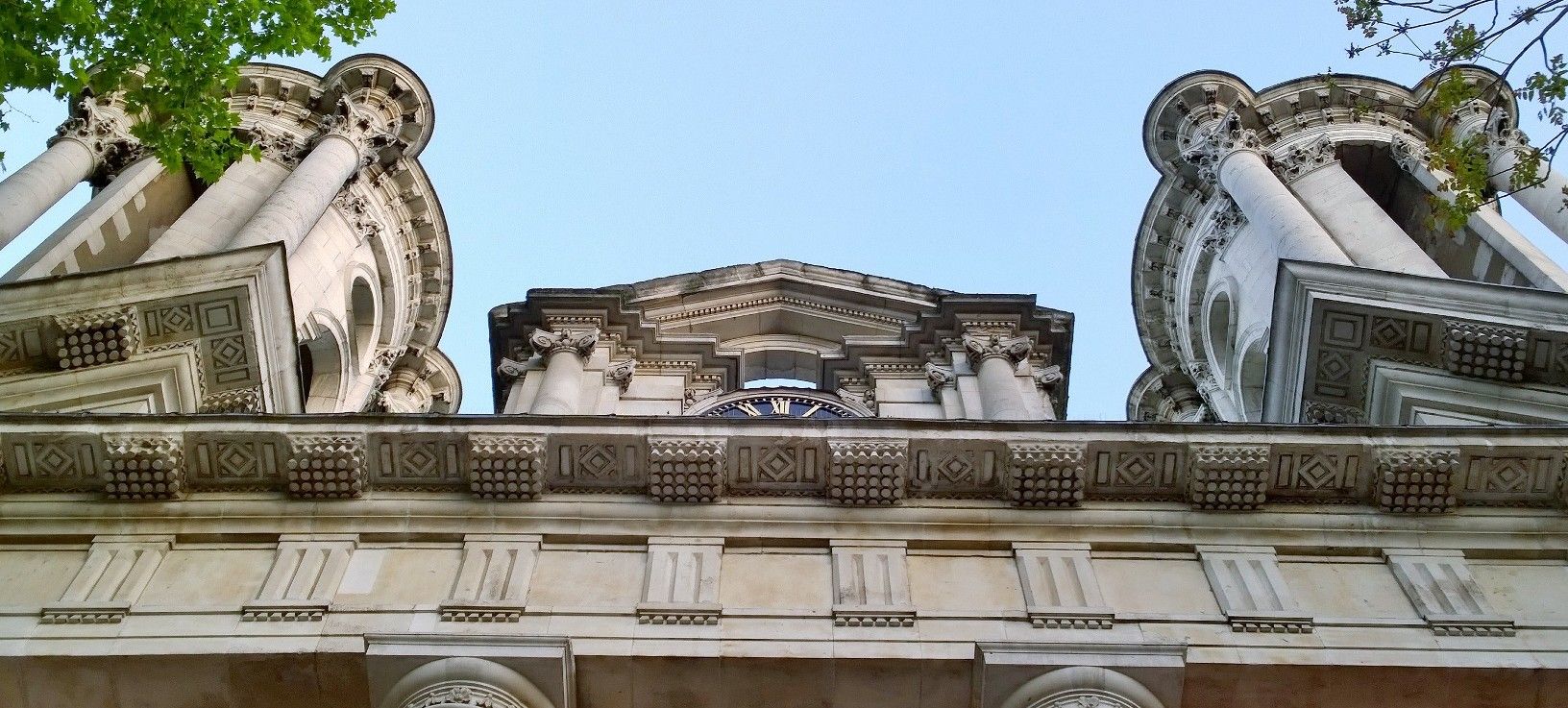

 five female composers, the music ranged from the very beginning of the Baroque up to the end of the 17th century. The earliest composer was Francesca Caccini (1587-1641), daughter of Giulio Caccini (represented here by Peter Philips’ harpsichord transcription of his Amarillo, mia Bella). Francesca Caccini made her debut aged 13 at the Medici Court, singing at the wedding of Henri IV of France to a Medici bride. After time in France she returned to become the leading female singer in Florence. Apart from one opera (the earliest known one by a woman) her only surviving music was published in 1618. The three pieces demonstrated the early recitativo style of
 Andrew Benson-Wilson : Early Music Reviews +