
Arvo Pärt & Robert White
Sansara & Fretwork
St John’s, Smith Square, 14 April 2022
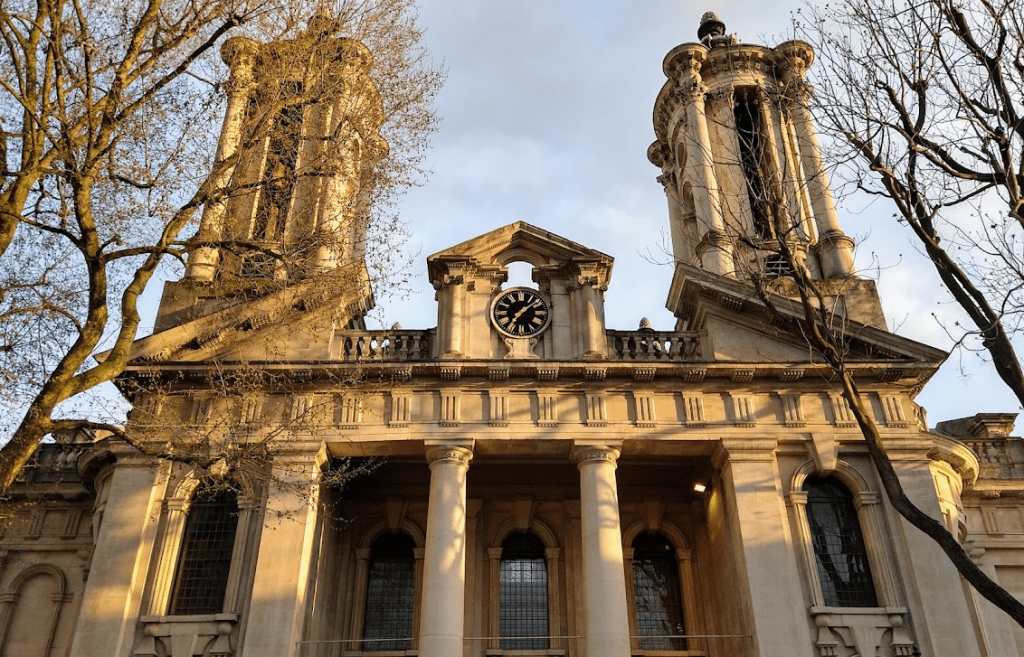
For many years, St John’s, Smith Square has been the musical place to be in the run-up to Easter. This year’s Easter Festival was no exception. The seven-day event included regulars such as Polyphony, in their traditional Good Friday Passion, alongside the usual focus on other early music performances. The first two events rather countered that focus with the 1915 Rachmaninoff All-Night Vigil opening the festival followed by Dupré’s 1931 Le Chemin de la Croix for organ. Another was the concert by the vocal group Sansara and the viol consort Fretwork, reviewed here, which contrasted music by the contemporary Estonian composer Arvo Pärt with Robert Wight’s Lamentations à 5.

 The Musicall Compass have undertaken some fascinating projects in the past, combining vocal music with, for example, dance in a memorable performance of Buxtehude’s Memba Jesu Nostri in Christ Church Spitalfields. On this occasion they interspersed the nine five-voice Lamentations of Orlando di Lasso with folk laments from Eastern Europe, sung by Moira Smiley. Written to be performed during the three days leading up to Easter, the Lamentations set verses from Jeremiah’s rather morbid reflections on the decline of Jerusalem: ‘How doth the city sit solitary .. she has become a widow’. Three settings are sung on each day, each finishing with the lament Ierusalem, Ierusalem, convertere ad Dominum Deum tuum (Jerusalem, Jerusalem, return unto the Lord thy God).
  This is the penultimate recording in The Cardinal’s Musick’s Tallis Edition, and it opens with a masterpiece, the two settings of the Lamentations of Jeremiah. As Andrew Carwood explains in his programme notes, it seems that they were written during the reign of Queen Elizabeth, rather than the earlier Catholic Queen Mary. It is not clear why these, and other similar Lamentations, were composed or when they would have been performed, if not in the Holy Week Tenebrae service in the Catholic rite – hence the usual assumption of composition during Queen Mary’s reign. They are remarkable pieces, using the simple textural style of one note per syllable encouraged by Archbishop Cranmer. The Hebrew incipits are particularly well set, as are the concluding, and rather sombre
  Andrew Benson-Wilson : Early Music Reviews +