
Fantasia Incantata
Ensemble Libro Primo
Sabine Stoffer & Alex McCartney
Veterum Musica VM018. 50’53
 G. B. Viviani: Sonata Prima
N. Matteis: Passaggio Rotto
B. Marini: Sonata Quarta ‘Per sonar con due Corde’
G. G. Kapsberger: Preludes, Toccatas, Gagliarda, Corrente, Passacaglia
G. A. Pandolfi Mealli: Sonata Seconda ‘La Cesta’
H. I. F. Biber: Sonata IV ‘Darstellung im Tempel’
This impressive recording by Ensemble Libro Primo (Sabine Stoffer & Alex McCartney) features 17th-century music for violin and theorbo written in the Stylus Phantasticus: a style described by Johann Mattheson as “sometimes agitated, sometimes hesitant, sometimes one- and sometimes many-voiced; often also shortly after the beat: without rhythm; but not without the intention to please, to rush nor to amaze.” This seemingly anarchic compositional style was a major influence on Italian and German composers of the period, its rapid changes of mood, pulse and metre creating an almost operatic sense of drama. As the programme note describes, this style was “a natural conveyance of a highly elaborate improvisatory performance practice“. That sense of improvisatory performance infuses these performances with drama and excitement. One example is the solo violin Passagio Rotto by N. Matteis. Matteis was praised by Roger North for his “eloquent, expressive style“: words that accurately describe Sabine Stoffer’s own delightful playing. Continue reading
 can vividly remember the first time I heard Matthew Wadsworth playing, in 1999, in the bowels of the Royal Academy of Music, during the debut of what was then a student group, all four of whom (Kati Debretzeni, Alison McGillivray, Matthew Wadsworth, and Robert Howarth) have gone on to achieve prominence in the world of music. This CD stems from an overheard comment at a late night gathering of friends, when somebody searching through CDs commented “I need lute, late night lute”. In the intervening years, the frequency of invitations to present late night lute concerts reinforced the feeling that there was indeed something of the night about lute music.
 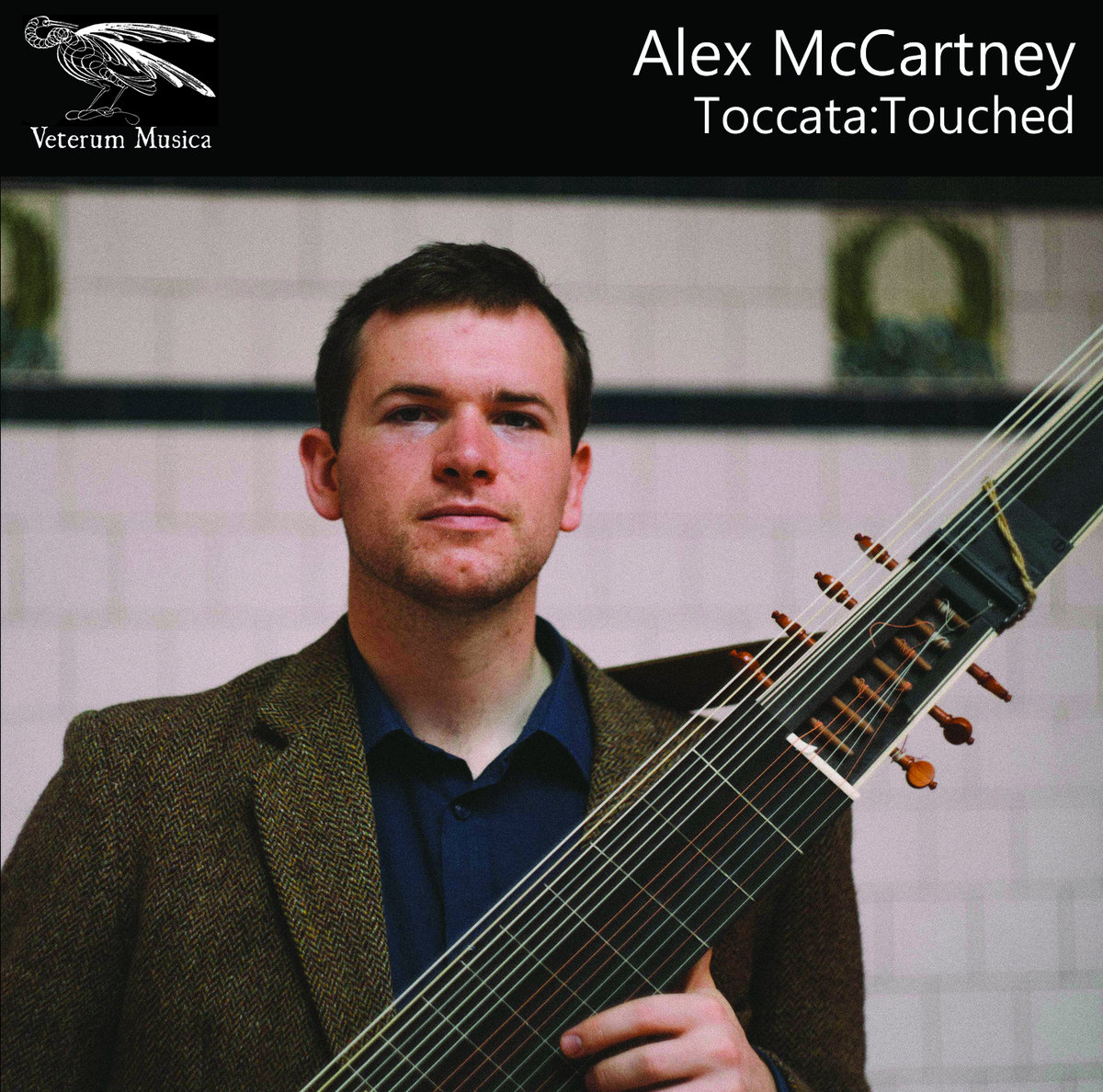 This recording is clearly something of a labour of love, albeit a rather short one, at just 45’27. Giovanni Girolamo Kapsberger (c1580-1651) was the son of an Austrian colonel, and was possibly born in Venice. He spent much of his musical life in the household of Cardinal Barberini in Rome (alongside Frescobaldi, amongst others) where he quickly built a reputation for virtuoso theorbo playing. To what extent his published theorbo pieces reflect his live performances is unclear, but they are sometimes frankly rather odd, not least with his unconventional use of rhythm and harmony. Contemporary commentators hinted strongly that his compositions were not as good as his performances.
  Andrew Benson-Wilson : Early Music Reviews +