Laus Polyphoniae 2023, Antwerp

Laus Polyphoniae 2023
Antwerp. Townscape – Soundscape

Antwerp
18 – 22 August 2023

As the name implies, Antwerp’s annual Laus Polyphoniae festival is devoted to the music of the late Middle Ages and the Renaissance, a time when polyphony was paramount. Under the title of Antwerp: Townscape – Soundscape this year’s festival asked the question: “What did Antwerp sound like in the 15th and 16th centuries”? Alongside the shouting in the streets and markets and the dockland sounds, what music sounded in the churches and city palaces during Antwerp’s heyday?

Antwerp experienced an unprecedented economic and cultural boom in the late 15th and 16th centuries. The city was an international metropolis. Goods from all over the world were traded by merchant families who amassed large fortunes. Music was played in many places in the bustling city, from grand churches to private homes. The best singing masters were recruited to compose music for the liturgy. Publishers printed music for those who made music at home. Antwerp was also a centre of printing. Printers such as Phalesius and Plantin were renowned for the high quality of their music publications and surviving prints mean that music can still be performed. Several concerts during the festival were dedicated to these Antwerp music prints. 

Continue reading

Antwerp: Laus Polyphoniae 2018

Laus Polyphoniae 2018
1618 / BEFORE
Antwerp, Belgium. 16-20 August.

This year’s Laus Polyphoniae festival (part of the Festival van Vlaanderen / Flanders Festival) celebrated two anniversaries. It is 25 years since the festival first started, and 400 years since the opening of the former St. Augustine’s Church (in 1618), now the home of AMUZ (Augustinus Muziekcentrum), the hosts of Laus Polyphoniae. The festival lasted from 16 – 26 August, and I was invited for the first four days, from the opening concert on Thursday 16 August to the lunchtime concert on Monday 20 August. Taking the date of 1618 as the hinge, the Laus Polyponiae festival ‘1618 / Before’, was the prelude to a further series of concerts under the title ‘1618 / Beyond’, the English names being original, not translations.

Focussing on music from the Middle Ages and Renaissance, the programme covered repertoire from the year 800 up to the early 17th century, when the early Baroque style began to emerge from the tradition of Renaissance polyphony. It featured musicians from Flanders and beyond, with a wide-ranging programme of concerts and events, the International Young Artist’s Presentation, and various associated events included a study day exploring the recently discovered Leuven Chansonnier and other educational activities. Unless otherwise noted, all the concerts took place in AMUZ.

IMG_20180819_215308901_LL.jpg

Continue reading

Leuven: ‘Voices of Passion’

Alamire Foundation
Passie van de Stemmen (Voices of Passion)
Huelgas Ensemble & Park Collegium
Park Abbey, Leuven. 22/23 April 2017

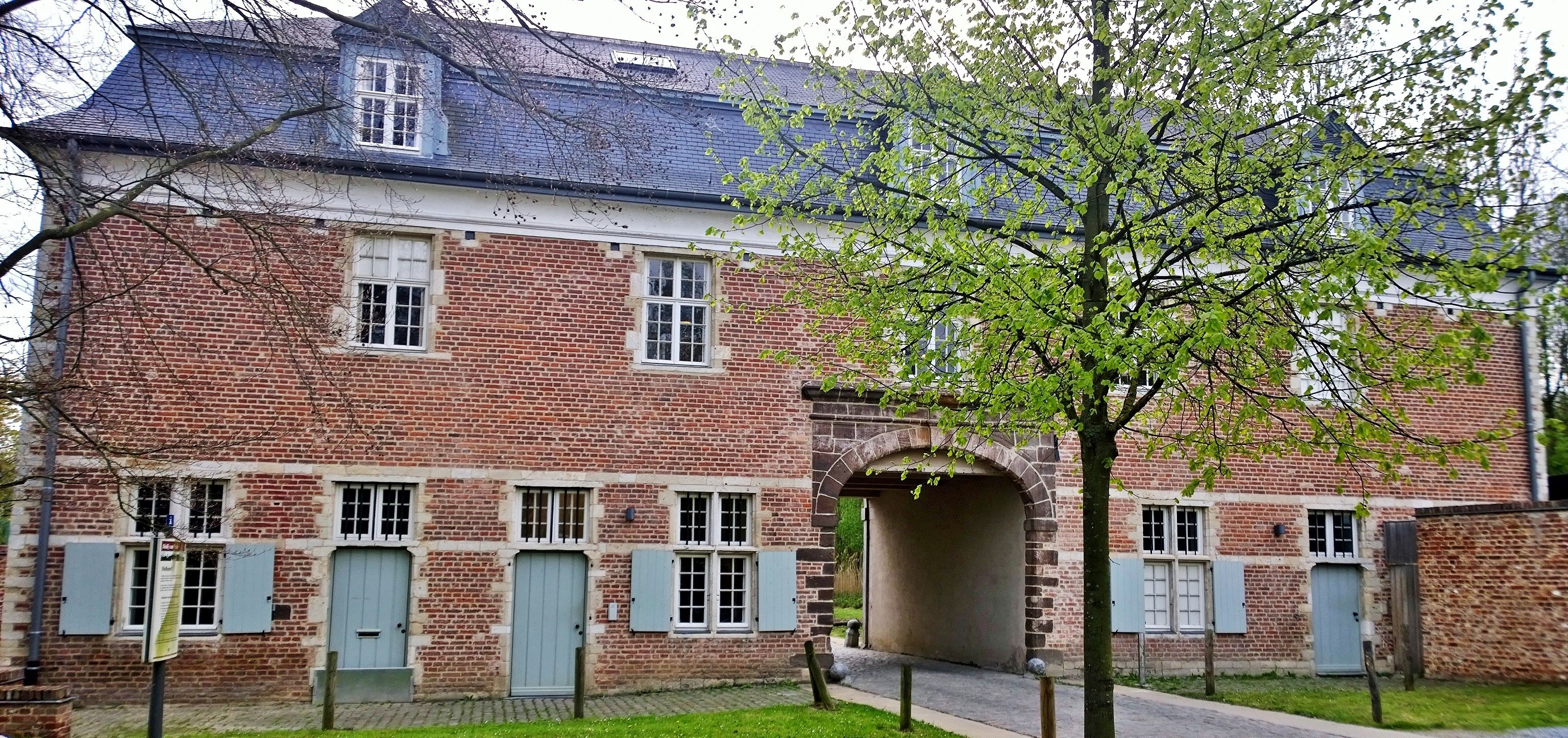
Musically, Leuven, the historic city about 15 miles east of Brussels (and the capital of the Flemish Brabant province), has been rather overlooked by their fellow Belgian cities of Antwerp, Bruges and Brussels. But as the medieval seat of the Dukes of Brabant, it was central to the geographical area that saw one of the most important developments in Renaissance choral music, variably referred to as Burgundian, Brabant, Franco-Flemish. Nowadays this approximates to the Low Country regions of northern France, Belgium, and the south Netherlands. It is therefore entireWP_20170422_18_09_47_Pro (2).jpgly appropriate that since 1991 it has been the home of the Alamire Foundation, the International Center for the Study of Music in the Low Countries, founded in conjunction with the Catholic University of Leuven and Musica, Impulscentrum voor muziek, Neerpelt. It is resident in the Huis van de Polyfonie (House of Polyphony, pictured), one of the gatehouses to Leuven’s historic Park Abbey. Continue reading

Laus Polyphoniae 2015 – Antwerp

Laus Polyphoniae – Antwerp

WP_20150825_19_32_43_ProThis year, Antwerp’s annual Laus Polyphoniae festival, now in its 22nd year, celebrated one it can claim as its own (at least for a period): the music copyist Petrus Alamire, creator of some of the most extraordinary music manuscripts in the decades around 1500. Born in Nuremburg, Alamire (a musical alias of Peter Imhof: A-la-mi-re)  soon moved to the Low Countries and quickly established himself as compiler of beautiful scores of music of Franco-Flemish composers, then at the peak of their importance. His clients included many of the crowned heads of Europe. His choirbooks contain more than 800 pieces, composed over a period of around 70 years, with the emphasis on masses, motets and chansons. Collectively they represent the development of the important Renaissance polyphonic style in the Low Countries and northern France. Continue reading