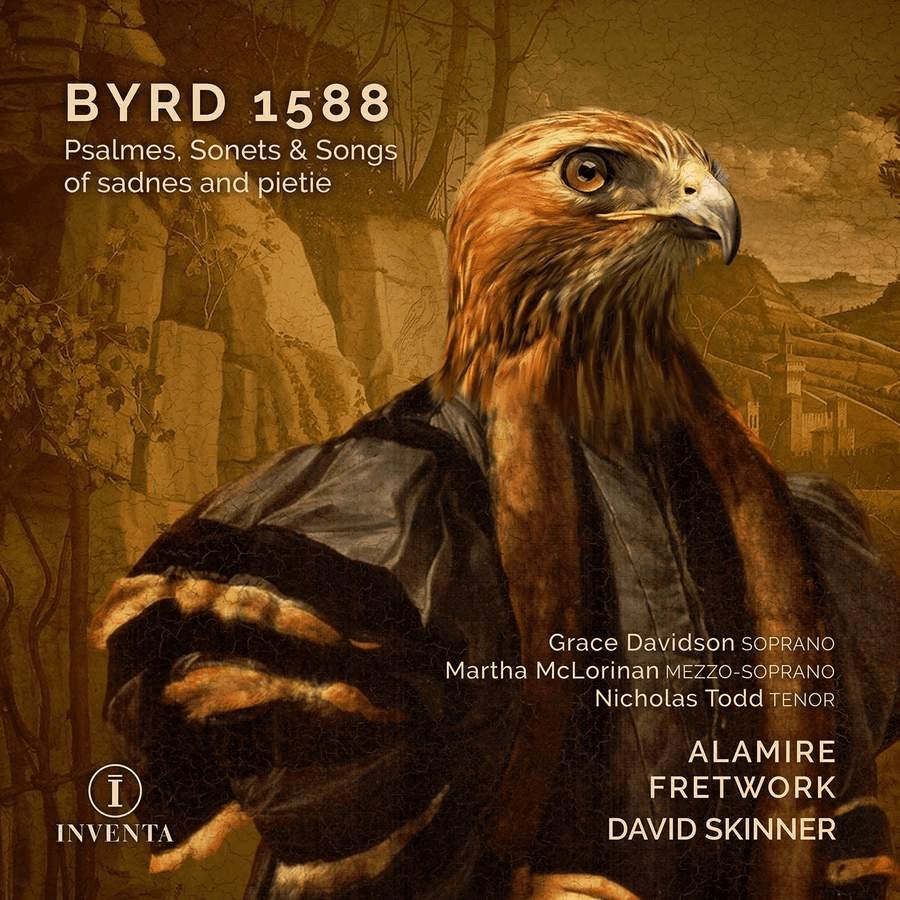
Byrd 1589: Songs of sundrie natures
Alamire, Fretwork, David Skinner
Inventa INV1011. 2 CDs. 53’18+69’19=122’37

Following their 2021 recording of Byrd’s first song collection, the 1588 Psalmes, Sonets & Songs of sadnes and pietie (reviewed here), Alamire and Fretwork turn to what Byrd described as the result of his being “encouraged thereby, to take further paines therein, and to make the pertaker thereof, because I would shew my selfe gratefull to thee for thy loue, and desirous to delight thee with varietie, whereof (in my opinion) no Science is more plentifully adorned then Musicke“. The ensuing 1589 collection “Songs of sundrie natures” was intended “to serue for all companies and voyces: whereof some are easie and plaine to sing, [while] other more hard and dificult“. It is divided into songs of 3, 4, 5 and 6 parts and offers a wide choice of music for a wide range of musical abilities – a sensible financial arrangement, no doubt.
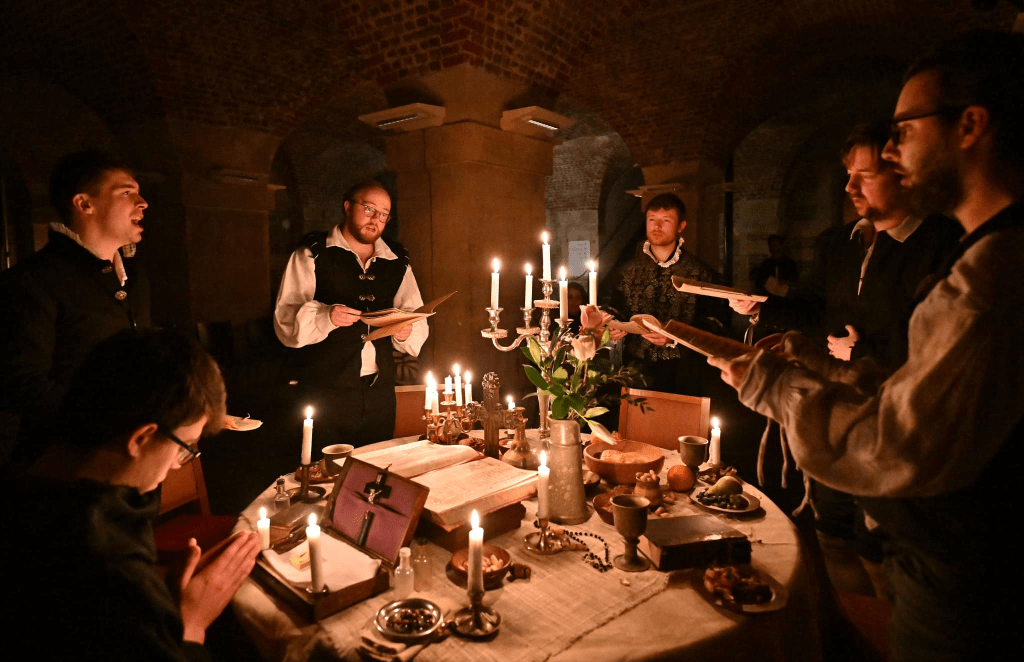
 This recording is based on the fact that Sir Francis Drake is known to have taken four viol players with him on his 1577-80 circumnavigation of the world, using the musicians for prayers and entertainment on board, and for diplomatic uses with the people they met. He also had trumpeters and drummers, but they are excluded from this recording, which takes as its premise the sort of music that the musicians might have played to the people they met, and also to their friends on their return to England, using their memory of the native music that they heard during their travels. Alongside music of the period by the likes of Parsons, Taverner, White, and Picforth, the principal musical contribution comes from Orlando Gough (b 1953) who was commissioned by Fretwork to compose a sequence of 13 pieces for viol consort based on the local music that Drake and friends might have heard.
 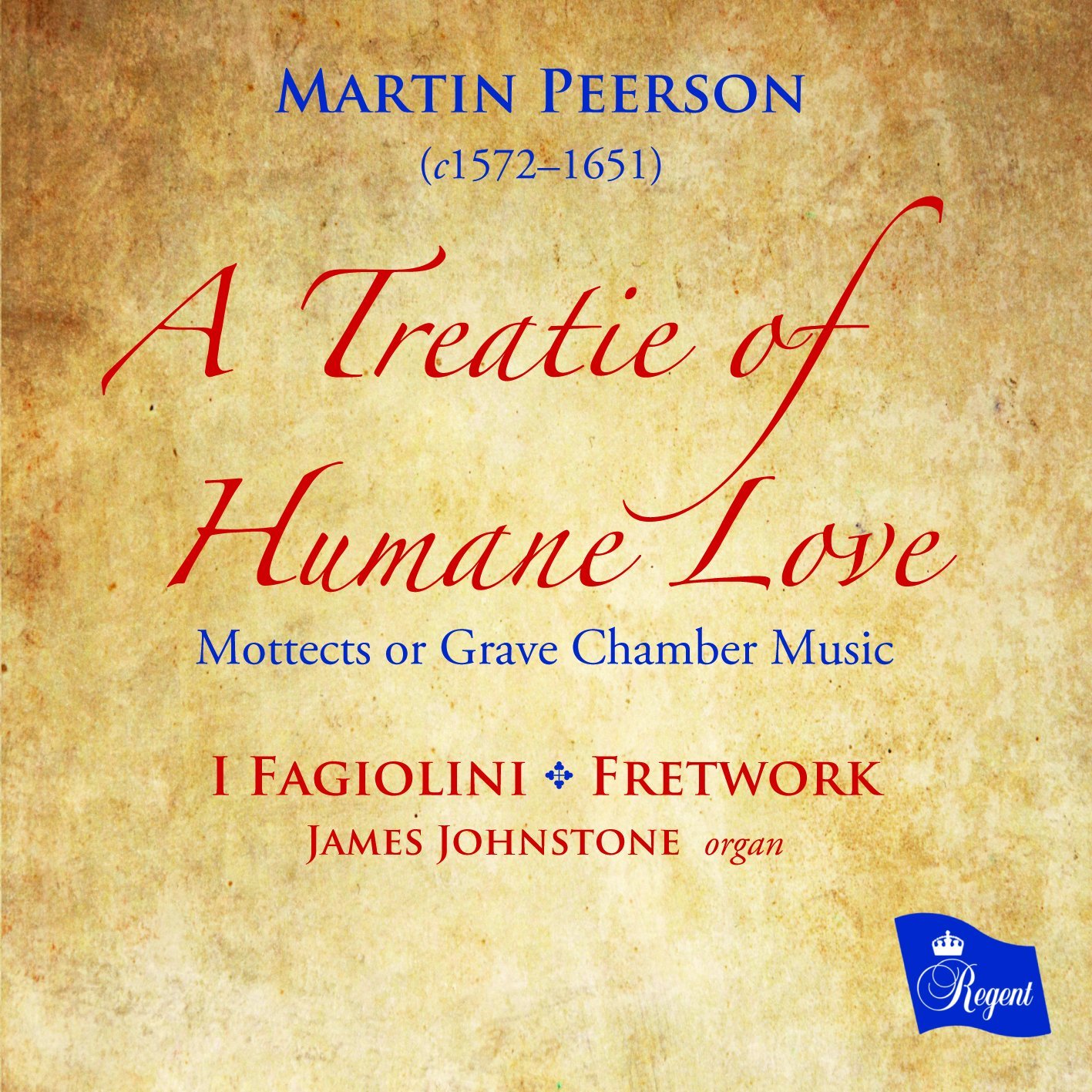 Martin Peerson is one of those composers that can so easily slip under the radar. Little is known of his early life, and records of his adult life are confused by the various ways of spelling his name. It is likely that he was born in March (not the month, but a small market town in Cambridgeshire) around 1572, and became a choirboy at St Paul’s Cathedral. In 1604 a madrigal of his was performed at an ‘entertainment’ in Highgate arranged by Ben Jonson for James I and his Queen Anne of Denmark. This appears to have been his only involvement with the musical life of royalty during his career. He had Catholic sympathies, although managed to pass as sufficiently Protestant to be award a Bachelor of Music from Oxford in 1613. He then held posts at Canterbury and St Paul’s Cathedral and, possibly, Westminster Abbey (a “Martin Pearson” is recorded there in the 1620s).
 g some 30,000 people a year. Their latest Winter Festival opened (in Shoreditch parish church) with a very apt programme based on the early 17th century vogue for composing music based on the hubbub of London’s street sellers and criers, reflecting a tradition of loudly publicising wares that exists to this day in placed like the nearby Petticoat Market.
 Andrew Benson-Wilson : Early Music Reviews +