Elgar
Orchestra of the Age of the Enlightenment
Dinis Sousa, Frances Gregory
The Anvil, Basingstoke. 6 June 2025

In the South (Alassio)
Sea Pictures
Enigma Variations
The Orchestra of the Age of the Enlightenment has long since expanded their musical interests well beyond the bounds of the historical (18th-century Age of Enlightenment, not least into the music of the last 150 years or so, on this occasion focusing on the music of Edward Elgar from the years around 1900. Their conductor, the Portuguese Dinis Sousa, was making his debut with the orchestra. This must be a terrifying experience for any conductor, given the extraordinary musical knowledge of the OAE musicians and their willingness, in true Enlightenment manner, to question percived musical wisdom. It was also possibly his debut conducting an all-Elgar concert. Both experiences proved to be memorable for him; his rapport with the OAE players was obvious, as was his refreshing take on Elgar, notably his most famous piece, the Enigma Variations.
Much of the preparatory work for this concert (also performed the previous evening in London’s Queen Elizabeth Hall) lay in the choice of instruments and study of the performing styles of the period. Of course, in many years after their first performances. But anybody who chose to stay at home and listen to those would have missed a real musical treat. I am not sure if they realised it, as there was no mention in the programme notes, but this concert was almost a repeat of the third and final concert of a three-day Elgar festival given in Covent Garden in March 1904. The first two concerts were of The Dream of Gerontius, and the London premiere of The Apostles (both attended by the King and Queen) while the third included the premiere of In the South (Alassio), Sea Pictures and The Enigma Variations, as well as an excerpt from Caractacus, Froissart, Cockaigne, and the first two Pomp and Circumstance marches.
The Anvil event started with the In the South (Alassio), composed after an Italian holiday. Billed as a concert overture, it has all the marks of a continental “tone poem” in the Richard Strauss style. It was given an exhilarating performance by the OAE and Dinis Sousa, notably in the rousing initial flourish. The innovatively rhapsodic musical structure included many reflective moments with frequent brief woodwind solos and a delightful viola solo (one of several during the evening from Max Mandel), contrasted with a plethora of scale passages from the brass and several dramatic surges. Although rather out of the usual Elgar style, this piece certainly deserves to be heard more often.
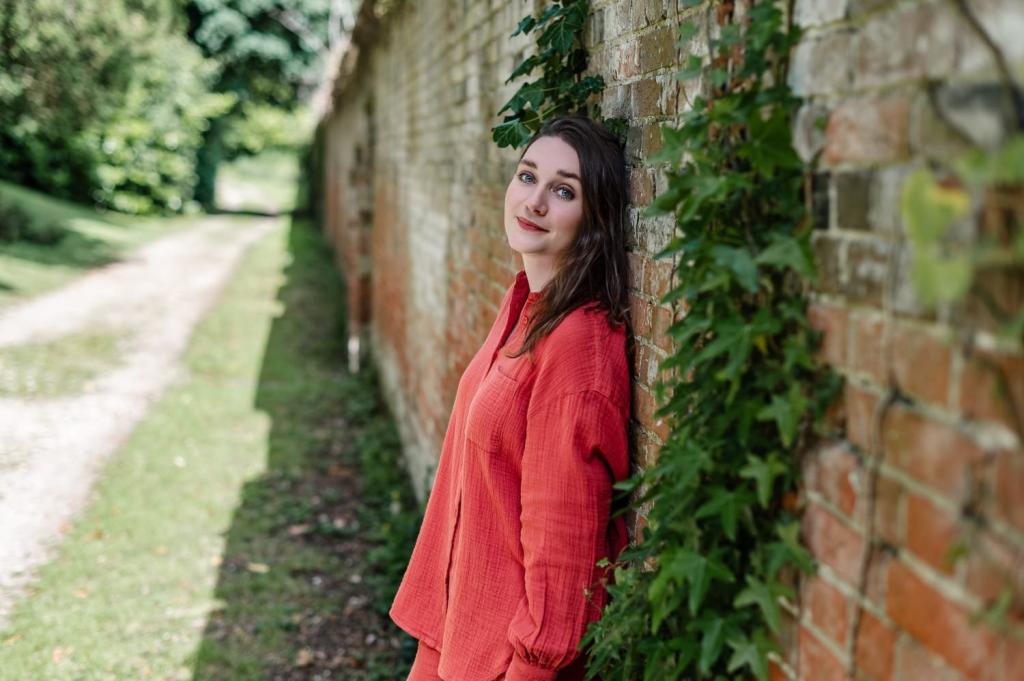
photo: Julian Guidera
The five Sea Pictures followed, sung by the impressive mezzo-soprano, Frances Gregory, who managed to make her voice heard above the large orchestra while still retaining the sensitivity of tone and expressive communication required of the texts. The singer in the first performanc was Clare Butt who, according to Elgar, was dressed “like a mermaid”. In more demure black, Frances Gregory caught the mood of each of the five songs, notably the meditative In Heaven (Capri) with words by Elgar’s wife, Alice, its gently rocking accompaniment reflecting the mood of love despite the storm-tossed waves. The rather throw-away ending on the words “Love alone will stay” was timed beautifully.
The piece that attracted the audience was, naturally, the concluding Enigma Variations. Composed in 1899, it was the piece that set Elgar on the road to fame after a long period of despair. Although he wasn’t referring to this piece, Elgar’s comment to his orchestra at the start of a 1931 Abbey Road recording to “Please play this tune as though you have never heard it before” certainly applied here – it was the first time the OAE had performed it, although I image the music will have been very familiar. It could equally apply to the audience, who would have heard the piece as though they had never heard it before.
Not surprisingly, it was the innate musicality of the OAE musicians that was prominent in their inspired choice of instruments, many of which are described on the OAE’s YouTube website. Notable was the 1912 French bassoon used by Christopher Rawley, who described it during the pre-concert talk. It was common in Elgar’s time, rather than the later German bassoon introduced in the 1930s. The gut strings and no finger vibrato of the strings was a given, but their use of stylistically appropriate portamento (sliding between notes, rather than moving cleanly from one to the other) was particularly interesting to hear in the Elgar context. Along with another key solo moment from viola player Max Mandel (in the Ysobel variation), we also heard delightful cello and clarinet solos from Luise Buchberger and Katherine Spencer in the Romanza (***) movement.
An inspiring concert, that ended with a performance of Salut d’Amour played, as Dinis Sousa described it, in the “free-for-all” style of orchestral playing of Elgar’s time.
 Andrew Benson-Wilson : Early Music Reviews +