
Johann Sebastiani & Agostino Steffani. Music for the Passion
Vox Luminis, Lionel Meunier
Jacob Lawrence, Sönke Tams Freier, Tessa Roos
Wigmore Hall, 1 April 2026
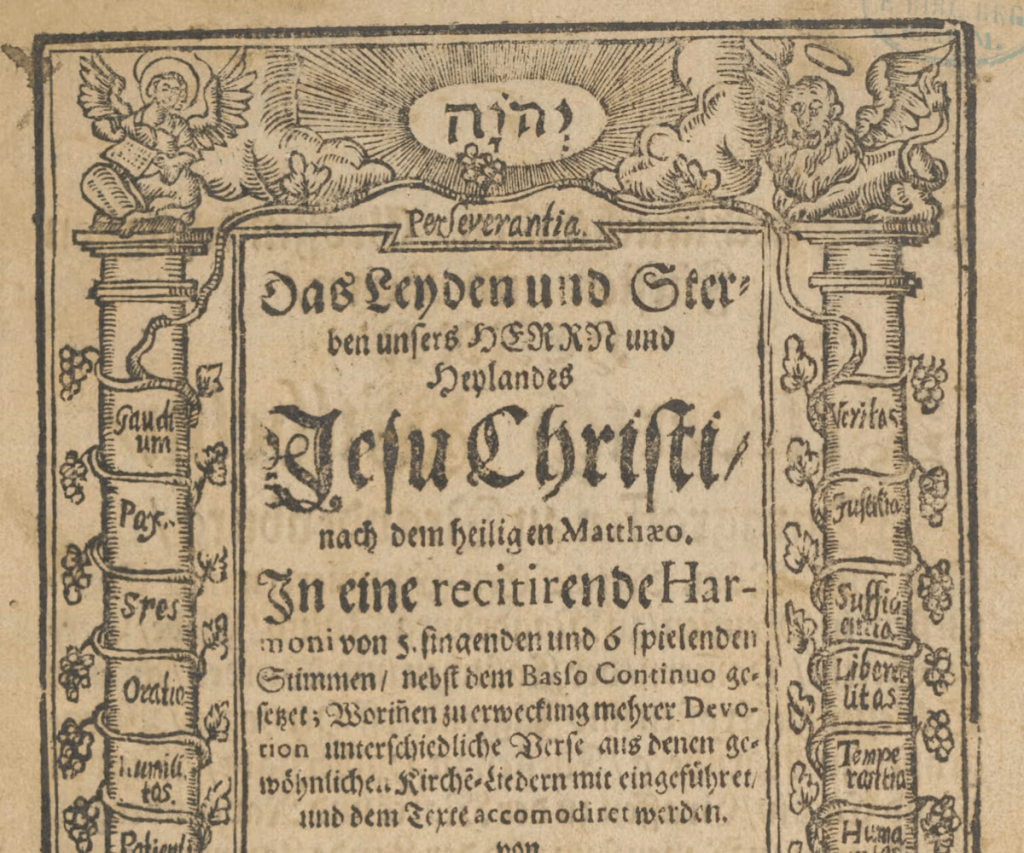
Johann Sebastiani (1622-1683): Das Leyden und Sterben unsers Herrn und Heylandes Jesu Christi nach dem heiligen Matthaeo
Agostino Steffani (1654-1728): Stabat mater
The adventurous Belgian early music ensemble, Vox Luminis, directed by Lionel Meunier, brought their enchanting programme of music for Holy Week to the Wigmore Hall, focusing on music for Passiontide by two little-known composers active in Germany in the mid-17th and early 18th centuries, one Calvanist, the other Catholic. The key work was Johann Sebastiani’s Das Leyden und Sterben unsers Herrn und Heylandes Jesu Christi nach dem heiligen Matthaeo a Matthew Passion in all but name. Sebastiani was born in Weimar and may well have studied in Italy. In 1661 he became Kantor at Königsberg (now Kaliningrad) Cathedral and later Court Kapellmeister to the Elector of Brandenburg. Königsberg was part of the Hohenzollern’s Duchy of Prussia. When Sebastiani arrived, Frederick William (the “Great Elector” of Brandenburg) had just taken full control over the duchy, bringing with him the Calvinism that presumably dates back to his early years in the Netherlands during the Thirty Years’ War.
 Andrew Benson-Wilson : Early Music Reviews +